

Key Takeaways
- Metal roofing offers unmatched durability and efficiency, and it can withstand extreme weather conditions and reduce maintenance costs.
- It is an eco-friendly and sustainable option that considerably lowers carbon footprints and improves energy efficiency by reflecting heat.
- Considering its longevity, metal roofing can be a cost-effective investment. It offers savings on energy bills and requires minimal maintenance over time.
Metal roofing offers a range of practical and long-term advantages for homeowners and businesses. Metal roofs are known for longevity; they may outlast conventional materials like asphalt by 40 to 70 years. Their resistance to weather-related damage, such as wind, hail, and heavy snow, makes them ideal for areas with extreme climates. Another essential advantage is energy efficiency, as metal reflects solar heat and lowers cooling expenses during warmer months. These roofs are minimal maintenance and environmentally friendly since they are often made from recycled materials and are entirely recyclable when their useful lives are over. In addition to functionality, metal roofing enhances curb appeal with various styles and finishes that suit modern or traditional architecture, making it a smart and stylish investment.
Introduction
Metal roofing has emerged as a revolutionary option in residential and commercial construction spaces, captivating the attention of property owners and builders alike. The fusion of modern aesthetics and functional performance makes metal roofing attractive for various architectural styles and personal preferences. As innovators continue to discover Illinois’ highest-rated, best metal roofing solutions for durability and energy savings, the remarkable benefits metal roofs present remain clear. Amidst changing climate patterns and evolving energy norms, these roofs stand out for their striking design and profound impact on a building’s efficiency and sustainability. Whether enhancing a chic urban loft or a serene suburban home, metal roofing offers unparalleled advantages that align with visionary design and environmental consciousness. Its reflective properties help reduce heat absorption, significantly lowering cooling costs during summer months.
Furthermore, metal roofs are renowned for their durability; they may survive for 40 to 70 years with little care. Additionally, they are highly resilient to severe weather conditions, such as strong winds, hail, and snow—a crucial quality given Illinois’ unpredictable environment. With recyclable materials and a sleek appearance, metal roofing represents a forward-thinking investment in form and function.
Durability and Longevity
The durability of metal roofing remains one of its most compelling arguments for integration into building projects. As buildings contend with increasingly unpredictable weather patterns, a roof’s ability to offer reliable protection becomes a critical consideration. Metal roofs, made from robust materials such as aluminum, steel, and copper, defend structures against the elements. Metal roofs perform superbly in regions prone to heavy snowfall, rampant wind, or searing heat, maintaining a formidable barrier against nature’s fury.
Strength and resistance to corrosion are essential elements that affect how long metal roofs last. Unlike traditional roofing materials, metal resists the negative impacts of moisture exposure, which can lead to rot and mold. This resilience against wear extends the roof’s lifespan beyond that of conventional materials and minimizes the need for repetitive repairs. Whereas asphalt shingles may need replacement every 20 to 25 years, metal roofing can stretch its service life to 50 or more, representing a twice-lasting alternative. Metal roofing encapsulates economic and environmental prudence by prioritizing longevity and reducing the cyclical need for new materials.
Energy Efficiency
Energy efficiency has increased importance in architectural design and construction due to growing environmental consciousness and rising energy costs. Metal roofing capitalizes on innovative technology to deliver remarkable energy-saving benefits that support an environmentally conscious lifestyle. Metal roofs’ reflective qualities block out sunlight, resulting in lower interior temperatures during the sweltering summer months without excessive air conditioning. Such a reduction in energy demand can significantly reduce household energy bills, leading to savings of 10-25% in cooling costs.
Recent advancements in metal roofing have introduced specialized high-performance coatings that amplify these reflective capabilities further. Applying reflective pigments in coatings such as cool roofs helps diminish the heat retention of buildings, supporting sustainability initiatives. Homeowners eager for a more substantial impact on their energy efficiency can explore options like integrated photovoltaic systems that combine solar panels with metal roofing. For those interested in further enhancing their understanding of metal roof energy advantages, Energy.gov provides resources and insights into how these roofs serve as a sustainable solution.
Environmentally Friendly Option
In an age of heightened ecological awareness, the sustainability of construction materials plays a pivotal role in shaping modern architectural choices. Metal roofing champions this cause by embodying recyclable qualities that mitigate the environmental impact of construction. Metal roofing may be recycled entirely, completing the material usage loop, in contrast to other roofing materials that contribute considerably to landfill garbage at the end of their lifespan. Each component, from old panels to fasteners, can be repurposed, minimizing the strain on natural resources and sparking a shift towards a circular economy.
True to its eco-friendly claims, metal roofing reduces overall carbon footprints while fulfilling functional utility. As awareness spreads, numerous cities and municipalities worldwide encourage the adoption of metal roofing as a part of green building efforts. Builders can achieve certifications such as LEED (Leadership in Energy and Environmental Design) by harnessing sustainable materials and ensuring that structures meet stringent environmental standards. In combining aesthetic flexibility with sustainability, metal roofing symbolizes a harmonious balance between modern needs and environmental stewardship.
Cost-Effectiveness
While initial investment costs might sway some towards traditional roofing options, the comprehensive cost-effectiveness of metal roofing becomes evident when analyzed over its lifetime. Metal roofing’s extended longevity not only circumvents the frequent replacement cycles associated with less durable options but also offers substantial long-term savings to property owners. These roofs’ energy efficiency contributes further financial relief through lower utility expenses.
Consider the implications of drastically reduced maintenance requirements; metal roofs gracefully withstand environmental stressors that might result in costly repairs or unexpected expenses with other materials. By avoiding recurrent maintenance expenses and embracing greater forecast accuracy in financial planning, homeowners and businesses alike can appreciate the true value proposition of metal roofing. Drawing from real-world examples and comparative studies, the cost-effectiveness of metal roofing consistently reflects its worth as a long-term investment. The immediate expense is thus an upfront commitment to decades of prosperity and peace of mind.
Variety and Aesthetic Appeal
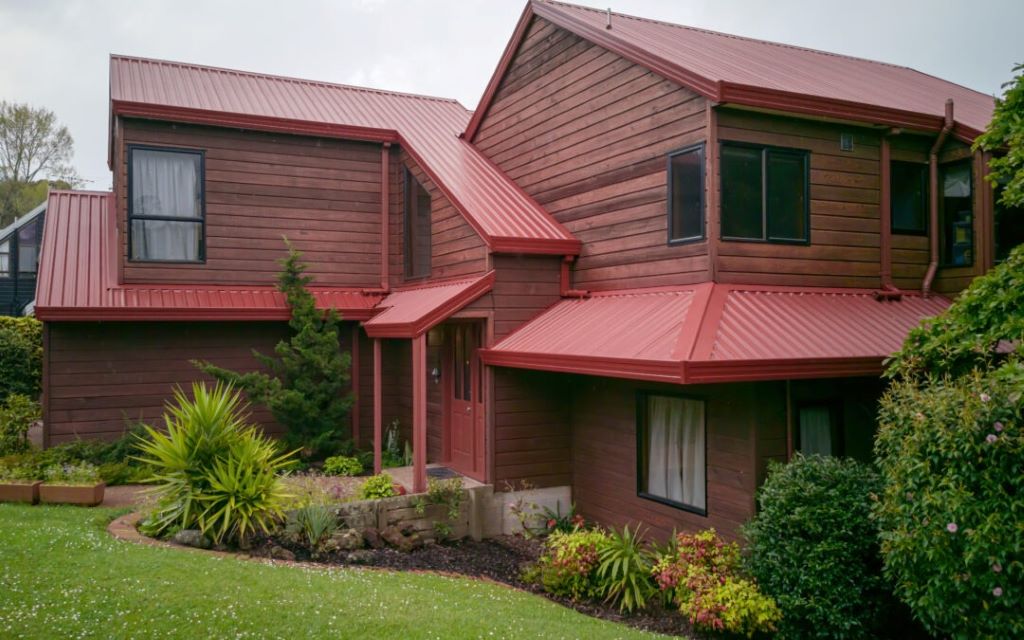
Metal roofing brings an artist’s palette of design possibilities to any property, offering styles and finishes that cater to contemporary and traditional tastes. No longer bound by utilitarian perceptions, metal roofs create visual unity, complementing various architectural forms from minimalist modern to rustic-chic. Crisp lines and finishes available in metal roofing partner seamlessly with window trims, siding, and exterior features to present a well-rounded visual appeal.
Color flexibility within metal roofing also enhances its adaptation to changing design trends, allowing building owners to select textures and hues that reflect personal or cultural ideals. From the vibrant tones of colonial red to the subtle gloss of metallic grey, the color spectrum feeds inventiveness and expression. Thus, metal roofs offer protection from the elements and an opportunity to design homes and businesses that are beautiful landmarks of creative ambition and environmental responsibility.
Safety Benefits
Securing personal and property safety remains paramount for owners seeking reliable roofing solutions. In this context, metal roofing offers undeniable advantages through its inherent fire resistance. Unlike combustible roofing materials, which exacerbate the spread of fires, metal retains qualities that prevent ignition and release minimal toxic emissions. Its application is particularly advantageous in wildfire-prone areas, offering vital resistance that can ultimately preserve buildings and save lives.
Additionally, metal roofs harbor inherent resistance to pests, minimizing vulnerability to infestations that damage structures and cause sanitation issues. This resilience extends to its resistance to hail and debris during storms, further outlining its protective capacity. For homeowners interested in comprehensive safety practices and material guidance, the National Fire Protection Association provides extensive information on fire-resistant designs and safe construction methods.
Noise and Weather Resistance
There’s a pervasive myth that metal roofing inadequately mitigates noise from rain or hail, causing disturbance to building occupants. However, technological advancements and superior insulation techniques effectively counter these concerns, achieving soundproofing efficiencies consistent with or exceeding traditional roofing materials. Integrated noise-reducing installations can ensure refined lifestyle quality within homes and workplaces, masking ambient commotion.
Beyond sound reduction, metal roofs’ weather-resistant attributes provide additional layers of security to enclosed spaces, safeguarding internal conditions and limiting damage to integral structures. As increasingly severe weather incidents challenge construction norms, metal roofs demarcate a high-performance choice that guarantees substantial returns. Their resistance to the elements is a testament to the craftsmanship that goes into their design and the overwhelming resilience they offer in an ever-changing world.
Closing Thoughts
In a landscape where architectural choices must seamlessly integrate style, function, and sustainability, metal roofing emerges as a frontrunner that meets these expectations with finesse. From aesthetic brilliance to economic benefits and environmental responsibility, metal roofs provide a lifestyle foundation built on sustainable choices and technological enhancement. As global perspectives pivot towards reduced consumption and maximized efficiency, metal roofing resonates as a beacon of architectural innovation, ready to embrace the future with resolve and optimism.
For those considering metal roofing, exploring its potential offers a compelling journey of transformational discovery—one that enhances property performance and actively contributes to ecological preservation. Make the informed choice, and let metal roofing symbolize your commitment to an enduring and sustainable legacy.