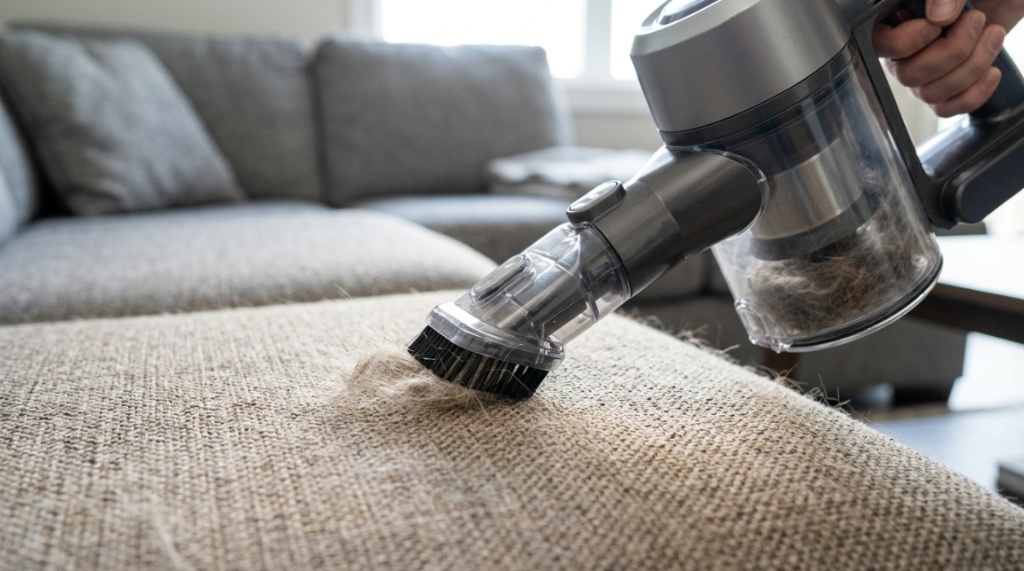

Living in Texas means dealing with two unavoidable realities: the heat and the dog hair. Whether you’re in Houston’s humid climate or the dusty West Texas plains, your four-legged friend likely sheds enough fur to create a second pet. But here’s the catch—you don’t want to break the bank to keep your floors clean. Finding a budget dog hair vacuum in TX that actually handles the unique demands of Lone Star living feels impossible when every product claims to be “the best.” You know the drill: you buy a cheap vacuum, it clogs within a week, and you’re back to square one.
We get it. You need a solution that tackles embedded fur, handles dirt tracked in from the yard, and survives the Texas summer without overheating. The good news? It’s entirely possible to get a high-performing, budget-friendly pet hair vacuum—if you know what specs actually matter. This guide breaks down everything you need to consider, so you can stop wasting money on duds and finally buy a machine that keeps your home fur-free, even on a budget.
What Makes a Vacuum Suitable for Dog Hair in Texas?
A suitable vacuum for Texas dog owners must excel at deep cleaning carpets (for those rare cold snaps) and hard floors (for the rest of the year). Beyond just suction, you need tangle-free brushes to handle heavy-shedding breeds like Labs and German Shepherds, plus a filtration system that traps allergens like cedar pollen and dust kicked up by the dry climate.
Suction Power vs. Airflow: Which Matters More?
Many buyers get caught up in “suction power” measured in watts. For pet hair, you actually want strong airflow (measured in CFM) to lift embedded fur from carpet fibers. For hard tile and wood floors, static electricity is your enemy—look for a vacuum with powered brushes that help lift hair rather than just blowing it around.
The Clogging Problem: Handling Prickly Pear and Grass
Texas dogs bring in more than just hair. They track in burrs, mesquite beans, and dried grass. Your hose and brush roll need to resist tangling. Vacuums with a “tangle-free” brush roll design or a straight suction path are essential for preventing the hour-long process of cutting hair off the bristles.
Filtration for Texas Allergens
With the amount of pollen and dust in Texas, a HEPA filter isn’t just a nice-to-have; it’s a health essential. Budget vacuums often cut corners here, but you don’t need a medical-grade filter—just a sealed system with a washable filter to keep those particles from blowing back into your face.
Which Type of Vacuum Is Best for Dogs: Canister, Stick, or Upright?
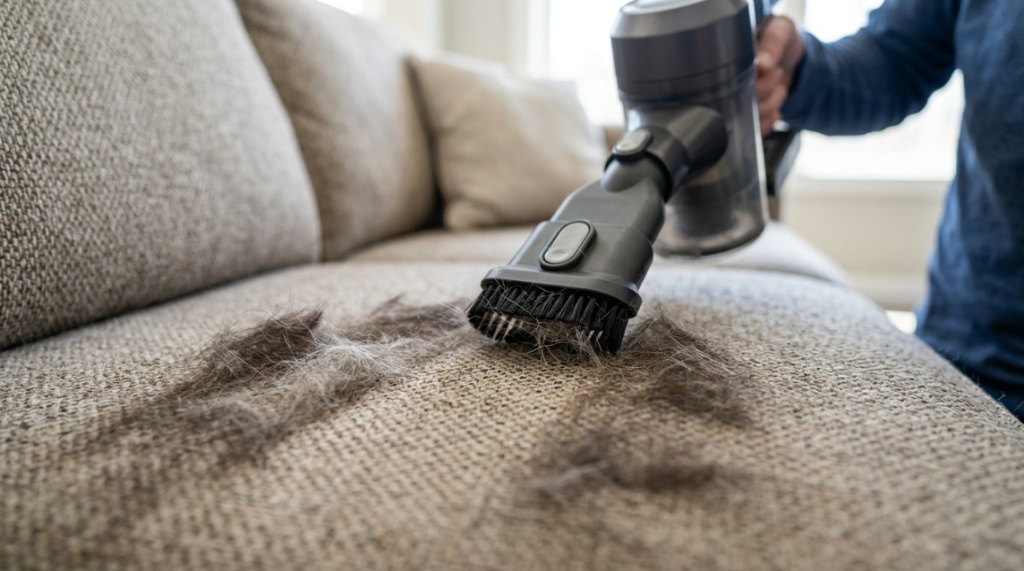
For budget-conscious dog owners, upright vacuums generally offer the best value and deep-cleaning power on carpets. However, stick vacuums are growing in popularity for their lightweight convenience. Canister vacuums are great for stairs but often lack the brush roll agitation needed to remove embedded fur from thick carpets.
Upright Vacuums: The Classic Workhorse
If your home has more carpet than hard floors, uprights are your best bet. They offer the most powerful agitation and usually feature bigger dust cups, meaning you can clean a larger area before emptying. In this category, you don’t need to spend $300; models like the Bissell CleanView or Hoover WindTunnel offer solid performance for under $100.
Stick Vacuums: Lightweight Maneuverability for Tile Floors
For the typical Texas home with lots of tile or hardwood, a stick vacuum is often more practical. They are lighter and perfect for quick daily passes to keep up with shedding. However, they have smaller dust cups, which means more frequent emptying for multi-dog households.
Robotic Vacuums: The Silent Helper
While budget robot vacuums are tempting, they often lack the suction to truly deep-clean pet dander from carpets. Use them for daily maintenance to pick up surface dirt, but rely on a manual vacuum for a weekly deep clean. Set your expectations low if you are under $150 for a robot—it is more of a maintenance tool than a deep cleaner.
How Much Should You Spend on a Pet Hair Vacuum in Texas?
You should plan to spend between $80 and $150 for a reliable pet hair vacuum. In this price range, you get the essentials: decent airflow, a brush roll that manages hair, and a HEPA filter. Anything below $50 will likely let you down and cost you more in repairs or replacements in the long run.
The “Rule of Three” for Budget Pricing
When looking at prices, remember that vacuums in the $60-$100 range are made for basic maintenance. Vacuums in the $100-$150 range are where you find “pet-specific” features, like specialized hair grabbers and stronger motors. Use this “rule of three” to set your expectations: Price, Power, and Portability—you can only pick two on a tight budget.
Why Cheaper Isn’t Always Cheaper
Beware of the $40 special at the big box store. These often lack a brush roll shutoff feature. If you have long-haired dogs, the hair will wrap around the brush roll so fast that the belt breaks. In Texas, where we vacuum more frequently due to dust and sand, machine durability is critical. A slightly higher initial investment saves you from a replacement purchase in six months.
Where to Find the Best Deals in TX
Don’t overlook factory-refurbished models from the manufacturer’s website. Often, you can get a $250 vacuum for $120 just because the box was damaged. Keep an eye on Amazon Warehouse deals and Target’s clearance section, as they regularly cycle pet care inventory.
Can a Budget Vacuum Handle Texas Heat and Humidity?
Yes, but you must look for motors that are cooled adequately. Excessive heat in attics, garages, and even inside the home can cause cheaper vacuums to overheat and shut off during use. Add a dog shedding in the summer heat, and you might be vacuuming for 30 minutes straight, which is a stress test for low-end plastic gears. While managing pet fur on your floors and furniture is a top priority, keeping your home clean often extends to electronics. If you are tidying up dust and debris near sensitive tech gear, make sure to use a specialized handheld vacuum for electronics without causing static damage to protect your devices.
Look for Metal Agitators vs. Plastic Rollers
Plastic brush rolls are cheaper to manufacture, but they warp in high heat and when they get hot from friction. A metal brush roll or a carbon-fiber one dissipates heat better and lasts longer. On a budget, check the specifications to see if the brush roll is metal—it’s a sign the vacuum will survive longer.
Motor Protections and Thermal Cut-Offs
Make sure the vacuum has a thermal cut-off switch. If the motor gets too hot (which happens quickly in a warm Texas home), the vacuum will shut off automatically instead of burning out. This is a safety feature that is crucial for budget units, ensuring your machine doesn’t become a fire hazard or a trip to the repair shop.
Maintaining Motor Health in Dusty Environments
Central and West Texas has a lot of dust. This dust is fine and can clog the exhaust filters of budget vacuums fast. You must clean the secondary filter every month, not every season. Keeping these filters clear prevents the motor from straining, which in turn prevents overheating issues.
Which Features Are Essential for a Dog Hair Vacuum on a Budget?
On a budget, you need to prioritize features that directly impact hair pickup: a strong brush roll with a tangle guard, a transparent dirt tank to see when it’s full, and a long reach hose. Skip gimmicks like LED lights or laser sensors if they inflate the price.
The Importance of the “Pet Turbo Brush”
Most budget vacuums come with a “pet turbo brush” attachment. While low-end ones are weak, they are essential for getting hair off upholstery and stairs. Look for a turbo brush that has a hand-powered motor—the suction-powered ones often don’t generate enough RPM to pull deep hair out of couch cushions.
Cord Length: A Practical Texas Consideration
In Texas, homes often have larger floor plans. A vacuum with a 25-foot cord is much more useful than a 15-foot cord. Moving the vacuum from room to room is annoying, but changing outlets constantly is worse. Aim for at least a 30-foot cord to maximize your range without tripping breakers by using extension cords.
Weight and Maneuverability
A budget vacuum that weighs 18 pounds is hard to maneuver, especially on thick carpets. However, the heavier weight is often a sign of larger, more durable wheels and a stronger motor. Test the vacuum in the store if you can—push it around to see how it feels on your knees and back, as Texans spend a lot of time cleaning up, not just vacuuming.
How to Test a Budget Vacuum for Real Pet Hair Performance
To test a vacuum effectively, do not use cereal or oatmeal to simulate pet hair. Instead, rub a small amount of coconut oil into your carpeting, let it dry, and walk on it with wool socks to attract dust and lint. Then, sprinkle a little flour—that mimics the “dander” mess that dog hair brings.
The Fringe Test
Look at the edge of your carpet where it meets the wall. Poor-performing vacuums leave a visible line of debris and hair here. A high-performing vacuum should have a strong enough side suction to pull the hair from the edges. This “fringe test” is the #1 way to tell if a budget vacuum has good internal airflow.
The Scatter Test
Budget vacuums often lack a brush roll shut-off, which can scatter debris on hard floors. Test the vacuum on tile. Does it push the dog food or debris forward, or does it swallow it up easily? If it scatters, you’ll spend more time cleaning than if you just used a broom.
The Upholstery Wrinkle Test
Place the vacuum tool on a velour cushion. Does the vacuum “grab” the fabric, or does it just slide over it? If it slides, it isn’t creating enough lift to pull embedded hair. This is a critical test for budget vacuums that typically have weaker suction.
How to Maintain Your Budget Vacuum to Extend Its Life
With proper care, a budget vacuum can last 3-5 years in a pet home. The most critical maintenance step is cleaning the brush roll every month. Hair wrap is the cause of 90% of vacuum belt failures and motor overheating.
Monthly Brush Roll Cleaning Ritual
Set a reminder to clean the brush roll. Use a pair of scissors (that you only use for this!) to cut the hair lengthwise. Do not pull the hair; it cuts more easily if you slice it off. Removing the build-up keeps the agitator spinning freely, which is how the vacuum actually pulls hair out of the carpet.
Filter Washing Routine
Your budget vacuum likely has two filters: a pre-motor and a post-motor filter. Wash the pre-motor filter under tap water every two weeks. Do not use soap, as the residue can clog the pores. Allow it to dry completely (24-48 hours) before replacing it. Having two filters on rotation is a smart budget trick.
Checking for Clogs
Texas dogs bring in tough grass. Check the hose for clogs at least once a month. Make sure to inspect the bend at the wand—this is a critical weak spot where blockages occur. A clogged hose reduces suction by 70%, making your vacuum seem broken when it isn’t.
Top Budget-Friendly Brands to Consider in the TX Market
When looking for a budget dog hair vacuum in TX, specific brands consistently outperform others in value and durability. Bissell and Hoover lead the budget market with pet-specific lines that offer great power for the price. Shark also offers a few models slightly above budget that are worth stretching for.
Bissell Pet Hair Eraser
The Bissell Pet Hair Eraser series is arguably the best bang for your buck in Texas. They feature a specialized “Tangle-Free” brush roll that drastically reduces hair wrap. You can often find these models under $130, and they hold up well with daily cleaning.
Hoover WindTunnel Series
Hoover’s WindTunnel technology is excellent for deep cleaning carpets in the cooler months. They offer models with “Never Wobbles” stability, which is crucial for fast cleaning. Their airflow is robust, but you will have to spend a bit of time extracting wrapped hair from the brush roll on long-haired breeds.
Bissell SpinWave or Hard Floor Expert
If you have minimal carpeting, consider a Bissell SpinWave or a crossover hard floor cleaner. These are often in the $99-$120 range and are much lighter. However, they sometimes lack the raw power needed for deep-pile rugs, so ensure you know the pile height of your rugs before you buy.
Why Pet Hair Seems to “Bond” to Texas Carpet and How to Fix It
The dry climate and dust in Texas create static electricity. This static charge causes pet hair to adhere to carpet fibers, much like a balloon does to a wall. If your vacuum simply isn’t picking up hair, the static is often the culprit, not the vacuum’s power.
Fabric Softener Spray Trick
Mix a small amount of fabric softener with water in a spray bottle and lightly mist your carpeting before vacuuming. This reduces the static cling, allowing the vacuum to grab hair much more easily. Let it dry for 10 minutes before you start. This is a professional housekeeper trick that saves you from buying an expensive vacuum.
The Baking Soda and Salt Method
Sprinkle a layer of baking soda on the carpet 30 minutes before you vacuum. The baking soda works to deodorize (crucial for the “dog smell”) and provides a slight friction that loosens the hair from the fibers. It also acts as a desiccant in humid areas, preventing dust from clumping.
Investing in a Rubber Broom
Sometimes, the best vacuum is a rubber broom. Rubber creates friction, which creates enough static to attract hair to the rubber broom instead of the carpet. You can sweep the carpet to gather the hair into a pile, then use your budget vacuum to pick up just the pile. This extends the life of your budget vacuum.
Comparing Deal Structures: Bundles vs. Bare Units
Often, the “bundle” packages with extra filters and tools cost more upfront but save you money later. However, many budget vacuums come with cheap, useless attachments (like a dusting brush that feels flimsy). Always buy the vacuum first and buy your attachments third-party from Amazon, which are often higher quality than the OEM ones.
Decoding the “Pet” Upcharge
Manufacturers often slap the “Pet” label on a vacuum and increase the price by $30. Compare the “Pet” model to the standard model. If the specs are identical—same motor, same airflow—skip the pet version. The only difference is usually a color scheme and a free lint roller tool that you can buy for $5.
Box Kits vs. Store Displays
If you buy a vacuum that is “factory sealed,” you are safe. However, if you buy the display model (which is often discounted), you risk getting a machine that has been abused by hundreds of people punching the handles. In Texas, the heat in warehouse storage can also degrade the plastic on boxed units, so inspect the seals on the box, especially if you are buying pre-seasonal stock.
What Are the Hidden Costs of Owning a Budget Vacuum?
Beyond the sticker price, you must consider the cost of replacement filters and belts. Many budget vacuums require replacement filters every 3-6 months. You can find these filters on Amazon for $10-$20, but the brand-name filters are often in the $25-$30 range. Budget for these consumables.
Warranty and Support in Texas
Always check the warranty. Bissell offers a 2-year limited warranty, which is great. Hoover offers a 1-year warranty, but their support center can be slow. If a budget vacuum fails, shipping it back to the manufacturer might cost you almost as much as the vacuum, so check if you have a local warranty center in Dallas or San Antonio.
The “Belt Replacement” Routine
If you have a brush roll powered by a belt, remember, it wears out. A pack of belts costs about $8 on Amazon. Buy two packs immediately when you buy the vacuum. Waiting until the belt breaks means you’ll go days without vacuuming, and that’s when pet hair really takes over your life.
Frequently Asked Questions
Is a bagged or bagless vacuum better for pet hair on a budget?
Bagless vacuums are better for tight budgets because they eliminate the recurring cost of buying bags. However, bagless vacuums require more frequent filter cleaning, which gets messy. For allergy sufferers, bagged vacuums are better because you don’t have to empty the dust cup into the trash.
Can I use a regular vacuum for dog hair, or do I need a “pet” specific one?
You can use a regular vacuum, but you may have to clean the brush roll more often. Pet vacuums have tangle-free brush rolls and stronger internal airflow. If your dog sheds heavily, the small investment in a pet model is necessary to prevent unexpected belt failures.
How often should I vacuum my house if I have a dog in Texas?
You should vacuum high-traffic areas every day and the whole house at least twice a week. In Texas, the climate brings in more dirt, which, when mixed with dander, creates a stubborn residue that is hard to clean if left for a week.
What is the best budget vacuum for tile floors with pets?
For tile floors, a stick vacuum with a hard floor setting is best, priced between $80 and $120. Look for one with a brush roll shutoff feature to prevent scattering debris. The Bissell Featherweight is a great option, but ensure you have a strong brush for any area rugs.
Do expensive vacuums really work better than cheap ones?
Not always. Expensive vacuums often have better build quality and longer warranties. However, a mid-range budget vacuum with regular maintenance (cleaning the filter and brush) will outperform an expensive one that is neglected. Performance degrades with dirt, not just the sticker price.
Can a budget vacuum pick up pet dander and allergens?
Yes, if the vacuum cleaner has a HEPA filter and a sealed system, it will trap dander. Check the edges of the dust cup for rubber gaskets. If they are missing, you have a leaky system that will blow allergens into your Texas air.
Where can I find the best affordable pet vacuums in Texas?
You can find great deals locally at Best Buy, Walmart, and Target. However, for the most comprehensive list and user reviews tailored to the TX market, check out this detailed guide on the budget dog hair vacuum TX options available today.
Final Thoughts on Beating the Fur in Texas
Landing the right budget dog-hair vacuum is about strategy, not luck. There is no “perfect” vacuum that does everything, but there is a perfect one for your home, your dog breed, and your wallet. Whether you prioritize a lightweight stick for tile or a powerful upright for carpets, your decision should be informed by the physics of airflow, the reality of Texas dust, and the maintenance demands of the machine. Don’t let the endless choices overwhelm you. Stick to your budget, focus on the key features we’ve discussed, and commit to a regular cleaning routine. The convenience of a fur-free, dander-free home is within reach—not just for the wealthy, but for any smart, budget-savvy dog owner. Make the smart choice today, and take the first step toward a home that finally feels as clean as it looks. Your dog will still shed, but you’ll finally be in control.