
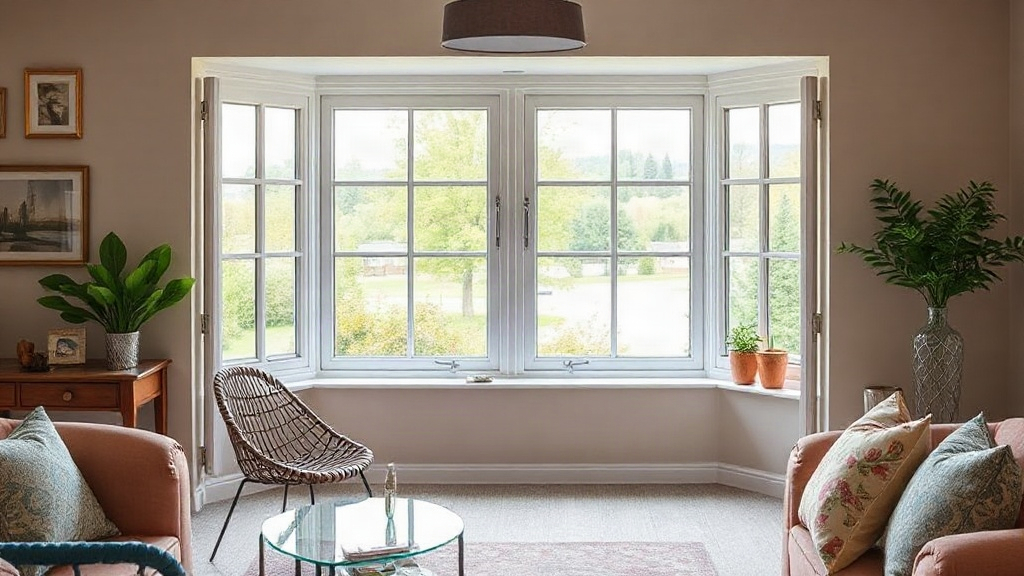

Walk down any housing estate in Dublin, Cork or Galway, and you will notice a quiet change at eye level. Homeowners are replacing bulky PVC frames with slimmer profiles, warmer glazing and colours that suit brick and render. If you are weighing up the Top Window Trends for Irish Homes This Year, the choice can feel overwhelming.
Quick answer: The strongest trends right now are slim aluminium frames, triple glazing on exposed elevations, coloured and woodgrain finishes, and larger picture windows that pull in daylight. Focus on BER improvement and airtightness first, then let style follow. Expect a lead time of several weeks for made-to-measure units.
This guide breaks down seven trends worth considering, compares them side by side, and explains how to choose for Irish weather, planning rules, and budget.
Quick picks at a glance
Here are the seven trends we think deserve your attention, each matched to a typical Irish home and budget.
Each pick below names the trend, the Irish home it suits, and where the money goes. Read the quick summary first, then the detailed review if a pick matches your situation. The comparison table further down lines them up side by side.
Best overall: slim aluminium frames
Narrow sightlines let in more glass and suit both period and modern homes. Aluminium holds paint well and resists coastal salt. This is the safest upgrade if you want a visibly modern look without changing your layout.
Best for warmth: triple glazing
Triple-glazed units cut heat loss on north-facing and wind-exposed walls. They add weight, so hinges and frames must be specified to match. Best value on homes upgrading insulation at the same time.
Best for period homes: heritage sash windows
Timber-look sashes preserve Georgian and Victorian facades. Modern versions pack in draught seals and double glazing without losing the glazing bars. Counties like Dublin and Cork have many homes where this is the sensible choice.
Best for character: coloured and woodgrain finishes
Anthracite grey, sage green and warm oak-effect finishes break up plain white estates. Woodgrain foil on uPVC gives a timber look at a lower cost than real wood. Match to your door and fascia for a coherent look.
Best for light: oversized picture windows
Fixed picture windows frame a view and flood a room with daylight. They cut energy bills less than they improve comfort and mood, so pair them with opening vents elsewhere. Suits rural bungalows and rear extensions.
Best for security and ventilation: tilt-and-turn
A tilt-and-turn window offers a secure trickle vent and a full open position. Popular in newer estates for both ground and upper floors. Adds a small premium over a standard casement.
Best for noise: acoustic laminated glass
If you live near a road, rail line or airport, laminated acoustic glass is worth the extra spend. It muffles traffic noise noticeably better than standard double glazing. Pair with a well-sealed frame for the full benefit.
Comparison table
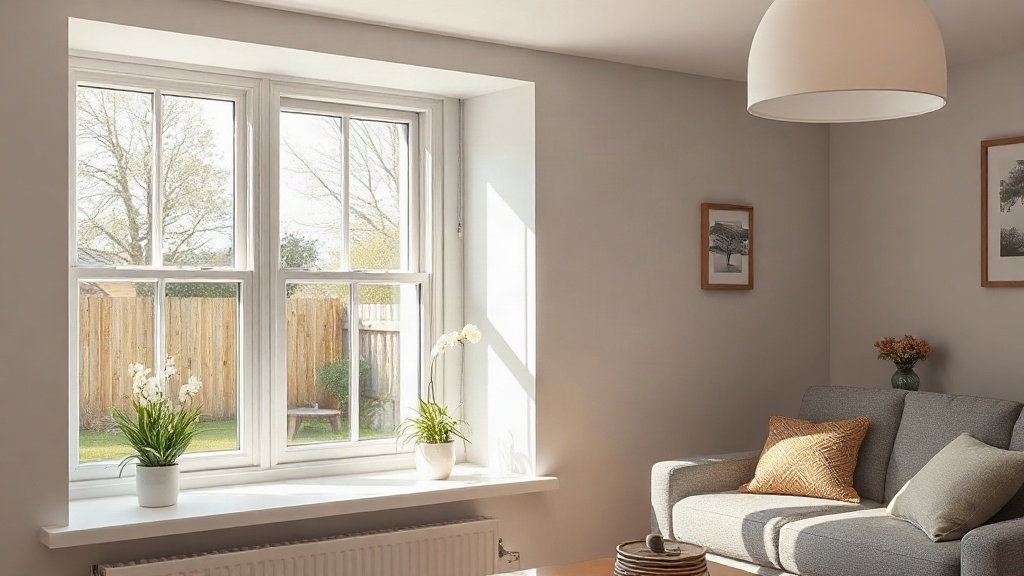
Comparison: seven window trends across cost, performance and best use
The table below compares each trend on relative cost, the performance gain you can expect, and the home type it suits best. Costs are relative indicators, not fixed prices, because quotes vary by size, spec and installer.
| Trend | Relative cost | Key performance gain | Best suited to |
|---|---|---|---|
| Slim aluminium frames | Medium–high | Slimmer sightlines, low maintenance | Modern builds, coastal homes |
| Triple glazing | High | Better U-value, warmer rooms | North-facing and exposed walls |
| Heritage sash windows | Medium–high | Retains facade, adds draught seals | Period and protected homes |
| Coloured/woodgrain finishes | Low–medium | Visual character, no performance loss | Estates, mixed facades |
| Oversized picture windows | Medium | More daylight and views | Rural homes, rear extensions |
| Tilt-and-turn | Medium | Secure ventilation, full opening | Newer estates, upper floors |
| Acoustic laminated glass | Medium–high | Reduced traffic noise | Homes near busy roads or rail |
Notice how cost and performance rarely move together. Coloured finishes cost little but deliver no thermal gain. Triple glazing costs a lot but pays back in warmth. Match the row to your main annoyance, whether that is noise, cold or plain looks.
Worth noting too is how the table reads against a typical semi-detached house in a Midlands estate. Swapping white uPVC casements for anthracite slim aluminium changes the whole facade for a modest outlay, while triple glazing on the two coldest walls delivers the comfort gain most families actually feel day to day. Few homeowners need every row at once.
Maintenance is the column the table cannot show, so weigh it yourself. Powder-coated aluminium and foil-wrapped uPVC need little more than an occasional wash, whereas timber sashes want repainting every few years. Over a fifteen-year horizon, that upkeep can quietly narrow the price gap between the cheapest and dearest options.
Lead time also differs by row. Standard casements and coloured finishes usually arrive fastest, while heritage sashes and large fixed picture units are made to order and can take longer. If your fitting window is tight, factor that delay in before you commit to a style.
If your home is a protected structure or in an architectural conservation area, changing window style or colour may need planning permission. Always confirm before you order units.
Individual reviews of the top picks
Each review below covers what the trend does well, where it falls short and who it suits. Prices are relative, so treat them as a guide rather than a quote. Read the pick that matches your main complaint first, then compare it with the table.
Slim aluminium frames
These frames offer the strongest all-round package for most Irish homeowners upgrading in 2026. The narrow profiles maximise glass area, and powder-coated finishes shrug off rain and salt spray.
Pros:
- Frame widths of roughly 50–70 mm let in noticeably more glass than standard uPVC.
- Powder coating keeps its colour for years in wet, coastal conditions.
- Low maintenance; a yearly wipe-down is usually enough.
Cons:
- Aluminium conducts heat, so you need thermal breaks to avoid cold spots.
- Often costs more than standard uPVC casement windows.
- Thin profiles leave little room to hide thicker triple-glazed units.
Triple glazing
Best where cold walls and wind exposure drain comfort, especially on northern elevations and open rural sites.
Pros:
- Keeps rooms warmer and can support a better BER score.
- Reduces condensation on inner glass surfaces.
- Dampens outside noise better than double glazing.
Cons:
- Heavier units need sturdier frames and hinges.
- Higher upfront cost than double glazing.
- Only pays back if the home is reasonably airtight.
Heritage sash windows
The reliable route for period homes where facade character matters as much as performance.
Pros:
- Restores the original look with glazing bars and slim sashes.
- Modern versions add draught seals and double glazing.
- Can help with protected-structure compliance.
Cons:
- Higher cost than standard casements.
- Requires more painting and upkeep if timber-framed.
- Small panes limit the maximum glass efficiency.
Coloured and woodgrain finishes
A budget-friendly way to sharpen kerb appeal across an estate of identical houses.
Pros:
- Anthracite, sage and oak tones add instant character.
- Woodgrain foil mimics timber at a fraction of the cost.
- No loss of thermal or acoustic performance.
Cons:
- Colours can date; choose neutrals for longevity.
- Dark shades can show dust and water marks.
- Poor-quality foil may peel over time.
Ask your supplier for a physical colour swatch. A tone that looks striking in a showroom can read very differently against Irish brick or grey render in daylight.
Buying guide: how to choose
Start with the problem you want to solve, not the style you like in a photo. A cold back bedroom and a noisy front room need different glass, even if the frames look the same.
Set a firm budget before you invite anyone around, and split it between frames, glass, and fitting rather than treating it as one number. Ask each installer to quote the same specification so the comparison stays fair. A cheap quote that quietly swaps acoustic glass for standard double glazing is not really cheaper.
Bring a shortlist of two or three trends to the first visit, not seven. Seeing your own elevation and hearing how each option handles your main complaint narrows the field quickly. It also stops a persuasive salesperson from steering you toward the most expensive line on the table.
Match the trend to your main complaint
When rooms feel cold on windy days, prioritize triple glazing and strong draught sealing. For those kept awake by traffic noise, acoustic laminated glass matters more than extra panes. Finally, if the house simply looks dated, a frame and color upgrade delivers the visible change for less.
Think about BER and airtightness
Heating costs dominate most Irish households. Window upgrades perform best when the surrounding walls and seals are also sound. A well-installed window in a draughty wall leaks heat anyway. Ask your installer how they will seal around the frame and close gaps.
Check planning and protected-status rules
Any home in an architectural conservation area or on the protected structures list needs care. Replacement windows in those homes must match the original pattern and material. Getting a quick check with your local authority before ordering avoids costly mistakes.
Weigh lead times and installation season
Made-to-measure windows often take several weeks to arrive. Book fitting for spring or early autumn to avoid rain pouring into open apertures. Confirm who handles removal, disposal and making good after fitting.
Budget for the whole job, not just the frames
Quotes should cover frames, glass, fitting, sealant and rubbish removal. Cheaper units may lack proper thermal breaks or acoustic glass. Compare like-for-like specs before you decide.
FAQ
How much does a window upgrade typically cost in Ireland?
Costs vary widely by size, material and glazing. Triple glazing and aluminium sit at the higher end, while uPVC casements and coloured finishes are more affordable. Always request three detailed quotes covering supply and fit.
Do I need planning permission to change my windows?
Not usually. If your home is a protected structure or lies in a conservation area, you may need permission for style or colour changes. Confirm with your local authority before ordering.
What is the best window trend for a cold, north-facing room?
Triple glazing with a high-performance frame is the strongest option. Sealing draughts around the frame matters just as much. Pair it with decent wall insulation for the full benefit.
Is aluminium better than uPVC in Irish weather?
Both handle Irish rain and wind well. Aluminium gives slimmer sightlines and a longer colour life; uPVC costs less and is easier to repair. Choose based on budget and the look you want.
How long does installation take?
A typical three-bedroom home takes a day or two for most windows. Larger projects or heritage sashes can take longer. Ask your installer for a clear schedule.
Will new windows reduce noise from a busy road?
Acoustic laminated glass and tight seals reduce traffic noise noticeably. No window blocks sound completely. Combine acoustic glass with vent placement on the quieter side of the house.
Final verdict
Our pick for most Irish homes is slim aluminium frames with double or triple glazing, because they balance looks, warmth and low upkeep. Heritage sashes are the clear choice for period homes, and coloured finishes give the best kerb appeal per euro. Whichever trend you choose, fix airtightness and check planning rules first, then book installation for spring or early autumn. Get three written quotes this month, compare the specs line by line, and order samples so you see colours in daylight before you commit.