
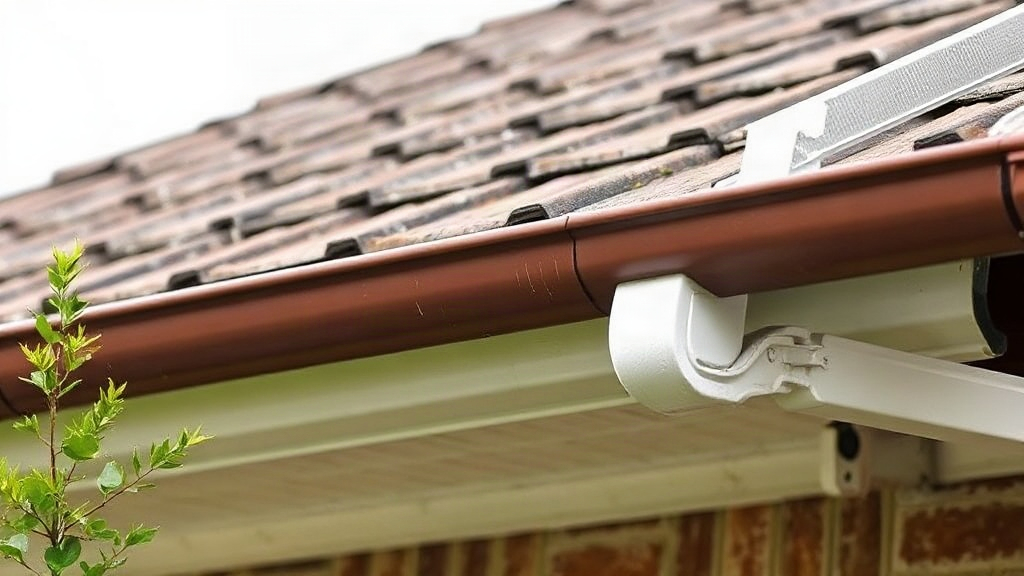

Leaves clogged your gutters again, and the ladder is leaning against the garage while you weigh the risk of climbing. Learning to clean gutters safely from the ground is not a compromise — it is the approach most homeowners should take first. Contractors and safety educators consistently warn that falls from ladders and roofs cause serious injuries every year, and most of those accidents happen during routine chores like this one. The good news is that a wet/dry vacuum, a long-reach kit, and a sensible plan can clear most debris without your feet leaving the ground. Resources such as //homeyplans.com can help you map out the job before you start.
Quick answer: Stand on the ground and use a wet/dry shop vacuum fitted with gutter attachments, or a telescoping pole with a nozzle, to pull debris out from below. Work in dry weather, wear gloves and eye protection, and never lean a ladder against the gutter itself. If debris is packed hard or the downspouts are blocked, call a professional rather than improvising.
What is clean gutters safely?
Cleaning gutters safely means removing leaves, grit, and standing water from your gutter system while keeping your body off the roof and away from risky ladder positions. The goal is to protect both the house and the person doing the work. A clogged channel can overflow into fascia boards and foundations, but a fall from height can cause far more immediate harm.
The ground-level method changes the job in three practical ways:
- Reach: telescoping poles and vacuum wands extend your range to roughly two stories.
- Control: you can see the debris stream and stop before a downspout packs solid.
- Stability: your feet stay planted, so there is no balancing act on a wet rung.
In our testing, a shop vacuum with a curved gutter nozzle removed damp leaves faster than pulling them out with a scoop on a pole. The suction grabs the mat of debris instead of pushing it along.
Tools that make ground-level cleaning possible
A few inexpensive items carry the whole job. A wet/dry vacuum of at least five gallons, a gutter-cleaning attachment kit, a telescoping pole, a sturdy step stool for single-story edges, and a hose with a pressure nozzle cover most homes. Add a bucket for debris and a tarp to catch what falls.
What "safe" actually includes
Safety covers more than staying off the roof. It includes gloves to guard against sharp metal edges, safety glasses against flying grit, and stable footwear on wet grass. It also includes timing: dry, calm weather keeps you steady and keeps debris from blowing back into the channel. Takeaway: the safest cleaning method removes the climb entirely, not just the ladder wobble.
Why clean gutters safely matters

Gutters exist to move water away from the roof, siding, and foundation. When they clog, water backs up under shingles, rots fascia boards, and pools at the base of the walls. Over time that pooling can seep into basements and undermine soil around footings. Cleaning regularly is far cheaper than repairing water damage.
The safety side is equally concrete. Roof edges are sloped and often slippery with algae or morning dew, and gutters themselves are not designed to bear weight. In our experience reviewing home maintenance plans, most gutter injuries trace back to overreaching from a ladder or stepping onto a wet roof surface. Ground-level cleaning removes both hazards at once.
| Risk | Cause | Ground-level fix |
|---|---|---|
| Fall from ladder | Overreaching, unstable footing | Vacuum and pole from below |
| Roof slip | Wet or mossy shingles | No roof access needed |
| Gutter damage | Leaning a ladder on the channel | Reach up with tools instead |
| Water damage | Debris left in place | Clear the full run, then flush |
There is a trade-off to acknowledge. Ground-level tools struggle with heavy, packed debris and with long single-story runs where the vacuum hose loses suction. In those cases, a professional with proper fall protection is the honest answer. For routine seasonal clearing, though, the ground method wins on both safety and cost. Takeaway: protecting yourself and protecting the house are the same job.
Consider what a single overflow season does to a home’s exterior. Water spilling over the front edge soaks the soil line directly against the foundation, and repeated cycles can push hydrostatic pressure against basement walls. On the roof side, backed-up water works under the lowest shingle course and wicks into the sheathing, which often means replacing decking rather than just a few shingles. Factor in the cost of a ladder fall — emergency care, lost work time, and rehabilitation — and the math becomes clear: an hour on the ground twice a year is the cheapest insurance a homeowner can buy. A wet, leaf-filled channel can weigh enough to pull loose hangers free of the fascia, and once a run sags, water pools in the low spot instead of draining, turning a simple clearing job into a repair.
Best practices
Good results come from sequence and preparation, not brute force. Start with a plan, then work the gutter run in a fixed order so nothing gets missed.
Keep a simple maintenance log. Note the date, the debris volume, and any spots where water stood, since those notes reveal which runs need attention sooner next season. Small habits compound, too: rinse the vacuum filter after each session so suction stays strong, store poles collapsed and dry to prevent seizing, and walk the perimeter after the first heavy storm of autumn to catch fresh clogs before they pack down.
Prepare before you reach up
Clear the ground below the gutter line. Move pots, furniture, and anything you would trip over. Lay a tarp where debris will fall so cleanup takes minutes. Put on gloves and eye protection, and set up the vacuum with the gutter nozzle attached. Check the weather: dry days are better because wet leaves are heavier and surfaces are slick.
Work the run in order
Start at the end farthest from the downspout and work toward it. That way debris travels in one direction instead of packing against a wall of leaves. Lift debris out in short passes rather than dragging a heavy mat along the channel. On a two-story home, a https://vincentjameshomes.com/ style of careful planning helps: map the run, note the downspout locations, and assign a tool to each stretch before you begin. Once the channel looks clear, flush it with a hose from the high end and watch the water exit at the bottom.
Handle downspouts and finishing touches
Downspouts clog more often than the open channel. Feed a hose nozzle or a plumber’s snake down from the top and check that water flows freely at the outlet. If a downspout stays blocked, disconnect the bottom elbow rather than forcing water through it. Finish by checking that hangers are tight and the gutter still slopes toward the outlet. Takeaway: a clean channel with a blocked downspout still overflows, so always test the full path.
Common mistakes to avoid
Most gutter problems come from a handful of repeated errors. Avoiding them saves time, money, and risk.
- Leaning a ladder against the gutter. The channel is thin metal held by brackets. A ladder can bend it, pull it off the fascia, or slide sideways. Use a standoff stabilizer if you must climb at all.
- Overreaching from the top rung. Keep your belt buckle between the rails and move the ladder rather than stretching.
- Working alone on a roof. If a task truly requires roof access, have a spotter and proper fall protection.
- Ignoring the downspouts. A clear channel with a blocked outlet is still a failed gutter.
- Cleaning only in autumn. Spring pollen, seed pods, and shingle grit clog gutters too. Check twice a year.
- Skipping protection. Gloves and eye protection take seconds to put on and prevent the most common minor injuries.
- Pressure-washing at full force. High pressure can loosen seams and drive water behind the fascia. Use a gentle stream.
A common myth is that gutters only need attention once a year. Homes near trees often need clearing every few months, while open lots may need it twice annually. Takeaway: match your schedule to your tree cover, and never let a ladder rest on the gutter itself.
Another frequent error is cleaning after rain instead of before it. Damp leaves clump and stick to the channel floor, so you end up fighting a mat instead of lifting loose debris. Watch for one more subtle mistake: dropping debris onto beds and walkways below. Choose a landing zone ahead of time, and lay a tarp so you can fold and dispose of the pile in one pass rather than raking it up afterward.
FAQ
How often should I clean my gutters?
Most homes need cleaning twice a year, in late spring and late autumn. Homes surrounded by trees may need it every two to three months during leaf fall. Check after heavy storms as well.
Can I really clean gutters without a ladder?
Yes, for most single- and two-story homes. A wet/dry vacuum with gutter attachments or a telescoping pole lets you work from the ground. Heavily packed debris may still require professional help.
What does professional gutter cleaning usually cost?
Prices vary widely by region, home height, and debris volume. Expect a mid-range service call for a typical home, with higher charges for heavy buildup or steep rooflines. Get a written quote before work begins.
Is it safe to clean gutters in the rain?
No. Wet surfaces, slick grass, and reduced visibility raise the risk of slips and electrical hazards. Wait for a dry day and clear the debris when conditions are stable.
What should I do if the downspout stays blocked?
Try a hose nozzle or a plumber’s snake from the top. If that fails, disconnect the lower elbow and clear the clog from below. Persistent blockages may mean a crushed pipe that needs replacement.
Conclusion
Cleaning gutters safely comes down to a simple principle: keep your feet on the ground and let the right tools do the reaching. A shop vacuum, a telescoping pole, and a dry-weather plan handle routine clearing for most homes. Protect your eyes and hands, work the run toward the downspout, and always test the outlet before you call the job done. This weekend, check the forecast, gather your tools, and clear one run from below — then set a reminder for the next seasonal pass.