

Choosing the best flooring for kitchens and bathrooms isn’t just about aesthetics. These high-traffic, moisture-prone spaces demand durable, water-resistant, and easy-to-maintain surfaces. The wrong choice can lead to costly repairs, mold issues, or dangerous slips. In this guide, you’ll learn what flooring options are trending in 2025, backed by expert insights and real-world data.
Why the Right Flooring Matters
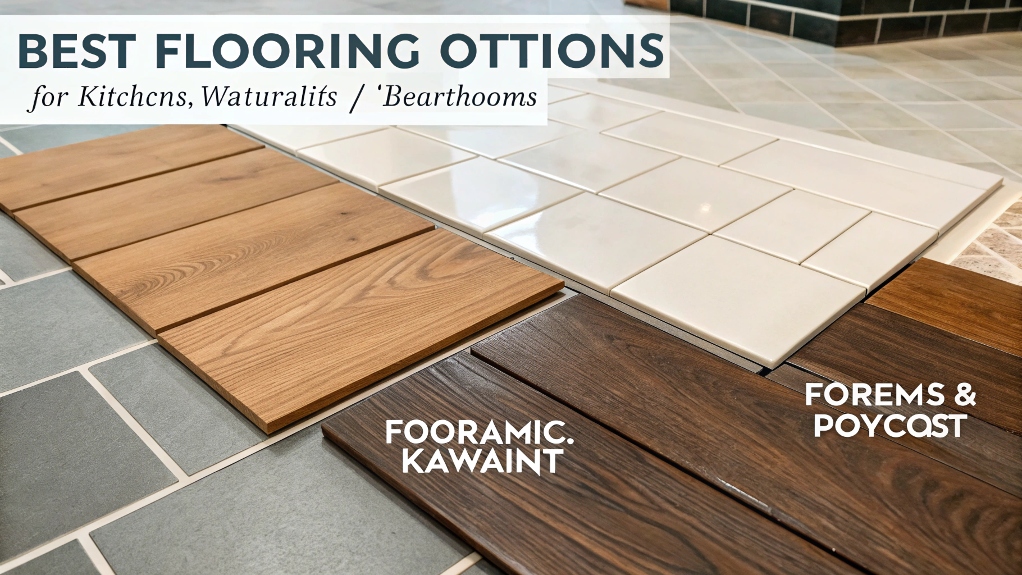
Kitchens and bathrooms face daily assaults from water, heat, spills, and foot traffic. According to the National Kitchen and Bath Association (NKBA), nearly 70% of homeowners prioritize water resistance and slip prevention in flooring decisions. This focus on performance makes material choice crucial—not just for looks but for longevity and safety.
-
Luxury Vinyl Plank (LVP) – The 2025 Front-Runner
Luxury vinyl plank flooring leads the pack thanks to its versatility, durability, and realistic wood or stone appearance. It’s 100% waterproof, making it ideal for both kitchens and bathrooms.
- Pros:
- Waterproof core resists swelling and warping
- Cushioned underfoot, making it comfortable for long cooking sessions
- Easy DIY installation
- Cons:
- May scratch with heavy appliances
- Can fade with direct sunlight exposure
Market research by Grand View Research shows LVP demand grew by over 11% annually since 2021, driven by its low cost and high performance. Top brands like COREtec and Shaw Floors offer options with antimicrobial surfaces—perfect for humid environments.
-
Porcelain Tile – Timeless and Tough
Porcelain tile has long been a favorite for bathrooms due to its impervious surface and elegant look. Unlike ceramic tile, porcelain is denser and less porous, which enhances its resistance to stains and water.
- Pros:
- Incredibly durable and scratch-resistant
- Endless design flexibility—from marble lookalikes to bold patterns
- Excellent resale value
- Cons:
- Cold and hard underfoot unless paired with radiant heating
- Installation can be expensive and time-consuming
Design experts at HGTV recommend large-format porcelain tiles for a sleek, grout-minimized look. For extra traction in wet zones, textured finishes or slip-rated tiles can enhance safety without sacrificing style.
-
Waterproof Laminate – Budget-Friendly Meets Style
Traditional laminate isn’t known for its water resistance, but 2025’s waterproof laminate options challenge that notion. Thanks to sealed edges and watertight cores, this newer breed mimics wood beautifully while standing up to moisture.
- Pros:
- More affordable than real hardwood or tile
- Simple click-lock systems for DIYers
- Available in realistic textures and grains
- Cons:
- Less durable than vinyl in very wet conditions
- Needs careful sealing to prevent edge swelling
According to Floor Covering News, waterproof laminate is gaining popularity with millennials looking for a cost-effective yet stylish solution for small-space renovations.
-
Engineered Hardwood – Elegant but Cautious
Engineered hardwood adds warmth and sophistication to any space, and it’s more stable than solid wood in fluctuating moisture levels. While not fully waterproof, it can work in kitchens with proper sealing and care.
- Pros:
- Natural wood veneer provides high-end appeal
- More dimensionally stable than solid wood
- Compatible with radiant heat systems
- Cons:
- Susceptible to water damage over time
- Requires frequent cleaning and maintenance
Design pros recommend engineered wood with aluminum oxide finishes for better resistance to scratches and moisture. Avoid this option for bathrooms unless you’re committed to strict moisture control.
-
Natural Stone – Luxury with Maintenance
Marble, slate, and travertine create a spa-like atmosphere in bathrooms and deliver unmatched beauty in kitchens. However, they demand high upkeep and sealing to resist stains and etching.
- Pros:
- Increases property value significantly
- Unique, natural variation in every tile
- Cool underfoot, ideal for hot climates
- Cons:
- Expensive and high-maintenance
- Can be slippery when wet
According to Forbes Home, sealed natural stone floors can last a lifetime, but homeowners should be prepared for annual resealing and higher upfront costs.
Featured Snippet: What Is the Best Waterproof Flooring for Kitchens and Bathrooms?
For waterproof durability and design flexibility, Luxury Vinyl Plank (LVP) tops the list. It combines the aesthetic of hardwood with the performance of synthetic materials. LVP’s waterproof core resists moisture, making it ideal for splash-prone zones. It’s also soft underfoot and easier to install than tile or stone. For bathrooms, textured LVP provides slip resistance and easy cleanup. Brands like Shaw, Mohawk, and Karndean offer high-quality options that balance form and function.
Professional Tip: When choosing waterproof flooring, check for a commercial-grade wear layer (at least 20 mil) for maximum durability in high-use areas.
FAQs
Can hardwood flooring be used in kitchens and bathrooms?
Yes, but use engineered hardwood with a durable finish in kitchens. Avoid in bathrooms unless fully sealed and moisture-controlled.
What’s the most slip-resistant flooring for bathrooms?
Porcelain tiles with a textured or matte finish offer the best slip resistance in wet environments.
Is vinyl plank better than laminate for wet areas?
Yes, luxury vinyl is fully waterproof. Waterproof laminate resists moisture but may fail with standing water over time.
What’s the most affordable kitchen and bathroom flooring?
Waterproof laminate and sheet vinyl offer budget-friendly options under $3 per square foot, including installation.
Does tile flooring require maintenance?
Yes. While durable, grout lines can stain or grow mildew without regular sealing and cleaning.
Are there eco-friendly flooring options for bathrooms?
Yes. Cork and bamboo are sustainable but need special finishes to be water-resistant in bathrooms.
How long does bathroom flooring typically last?
With proper care, tile and vinyl can last 15–30 years. Wood may need refinishing or replacement in half that time.
Read More Also: Furniture Layout Ideas for Narrow Living Rooms
Final Thought
The best flooring for kitchens and bathrooms strikes the perfect balance between aesthetics, durability, and moisture protection. While trends lean toward waterproof materials like luxury vinyl and porcelain, the right choice depends on your lifestyle, budget, and design goals. Invest in high-quality products and proper installation to avoid costly repairs down the line.
Whether you’re remodeling a modern kitchen or upgrading a guest bath, flooring can elevate the entire space. Choose wisely, and your floors will reward you with beauty and resilience for years to come.
Discover More: Crafting Elegance: A Comprehensive Guide to Making Your Own Roman Shades