
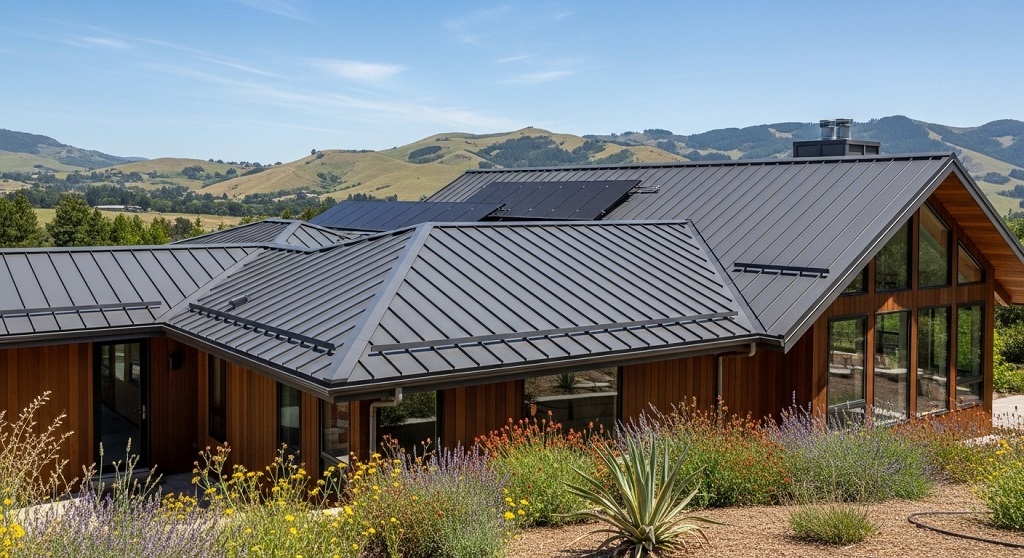

Metal roofing benefits include long lifespan, lower maintenance, energy efficiency, and strong resistance to weather damage.
Roofing mistakes are expensive. Many homeowners replace roofs every 15–20 years and still deal with leaks, heat issues, and storm damage. This cycle drains money and time. That pain is why metal roofing has gained attention over the last decade.
Metal roofing benefits stand out because the material solves common roofing problems at the root. According to data from the Metal Roofing Alliance, properly installed metal roofs can last 40–70 years. Asphalt shingles usually last 15–30 years. That difference alone changes the long-term cost equation.
Metal roofs also handle extreme weather better. They resist cracking, shrinking, and erosion. In areas with heavy rain, high winds, or temperature swings, this matters. Insurance studies show metal roofs often qualify for lower premiums because they reduce risk.
Homeowners today want fewer repairs, better energy performance, and predictable costs. Metal roofing answers those needs. The key is knowing how to choose metal roofing correctly so the benefits actually show up over time.
What problem does metal roofing solve compared to traditional roofs?
Short answer: Metal roofing solves frequent repairs, heat loss, storm damage, and early roof replacement.
Traditional roofing systems fail in predictable ways. Shingles curl. Tiles crack. Flat roofs trap water. Each issue leads to leaks and interior damage. These problems often appear within 10–15 years.
Metal roofing addresses these failures directly:
- No absorption of water, which reduces leaks
- Interlocking panels that resist wind uplift
- Reflective surfaces that reduce heat transfer
- Non-combustible material that lowers fire risk
A case study from the U.S. Department of Energy found that metal roofs with reflective coatings reduced cooling costs by up to 25% in warm climates. That translates into real monthly savings, not marketing claims.
The problem many homeowners face is not roofing itself. It’s choosing the wrong system for long-term use. Understanding how to choose metal roofing prevents repeating the same costly cycle.
How long does a metal roof last in real-world conditions?

Short answer: Most metal roofs last 40–70 years when installed correctly.
Longevity is one of the most proven metal roofing benefits. Field data from residential and commercial buildings installed in the 1970s and 1980s show metal roofs still performing today with minimal repairs.
The lifespan depends on:
- Metal type (steel, aluminum, copper, zinc)
- Protective coating system
- Installation quality
- Local climate exposure
Galvalume-coated steel roofs, for example, resist corrosion better than older galvanized systems. In coastal areas, aluminum performs better because it does not rust.
Compared to asphalt shingles that require replacement every 20 years, one metal roof can replace two or three shingle roofs over the same time period. This long-term durability is central when evaluating metal roofing benefits.
How does metal roofing affect long-term cost?
Short answer: Metal roofing costs more upfront but costs less over its lifespan.
Upfront pricing often stops homeowners from choosing metal. That reaction is understandable. A metal roof can cost 2–3 times more initially than asphalt shingles.
However, lifecycle cost analysis tells a different story.
| Roof Type | Average Lifespan | Replacements in 60 Years | Estimated Total Cost |
|---|---|---|---|
| Asphalt Shingles | 20 Years | 3 | Higher |
| Metal Roofing | 50+ Years | 1 | Lower |
This table reflects real homeowner case studies published by remodeling cost reports. When maintenance, disposal, and energy savings are included, metal roofing often delivers a lower total cost.
Choosing metal roofing becomes less about price and more about financial planning. This is where long-term metal roofing benefits become measurable.
How does metal roofing improve energy efficiency?
Short answer: Metal roofing reflects heat and reduces cooling demand.
Energy efficiency is one of the most misunderstood metal roofing benefits. Many assume metal makes homes hotter. In reality, modern metal roofing systems are designed to reflect solar radiation.
Cool roof coatings reflect up to 70% of solar heat. Studies from Oak Ridge National Laboratory show cooling energy savings between 10% and 25%, depending on climate and insulation.
Additional efficiency factors include:
- Air space between roof and deck for heat dissipation
- Compatibility with insulation upgrades
- Reduced thermal cycling that protects roof structure
Over decades, lower energy use compounds into major savings. For homeowners planning to stay long-term, this benefit alone justifies learning how to choose metal roofing properly.
How to choose metal roofing based on material type?
Short answer: Choose metal roofing material based on climate, budget, and corrosion risk.
Not all metal roofs perform the same. Material choice directly impacts durability and maintenance.
- Steel: Affordable and strong. Best with protective coatings.
- Aluminum: Lightweight and corrosion-resistant. Ideal for coastal areas.
- Copper: Long lifespan. High cost. Develops patina.
- Zinc: Self-healing surface. Long service life.
Steel is the most common residential option due to cost efficiency. Aluminum works better where salt exposure is high. Copper and zinc are premium choices for specific design goals.
Understanding these differences is critical when evaluating how to choose metal roofing for long-term benefits.
How to choose metal roofing panel style for durability?
Short answer: Standing seam panels offer the highest durability.
Panel design affects performance more than appearance.
- Standing seam: Hidden fasteners, superior water resistance
- Exposed fastener panels: Lower cost, more maintenance
- Metal shingles: Traditional look, moderate durability
Standing seam systems outperform others in wind resistance and leak prevention. Case studies after hurricane events show standing seam roofs experience fewer failures.
Exposed fastener systems rely on screws and washers that degrade over time. That leads to leaks and repairs.
Choosing the right panel system is one of the most important steps in maximizing metal roofing benefits.
How important is installation quality for metal roofing?
Short answer: Installation quality determines whether metal roofing benefits actually happen.
Even the best materials fail with poor installation. This is a documented issue across roofing studies.
Common installation mistakes include:
- Improper fastener placement
- Poor flashing around penetrations
- Incorrect panel expansion allowance
Thermal movement is unique to metal roofing. Panels expand and contract. Installers must account for this or panels warp and fasteners loosen.
Hiring certified installers reduces risk. Manufacturer warranties often require approved installation methods.
Knowing how to choose metal roofing also means choosing the right installer.
How does metal roofing perform in extreme weather?
Short answer: Metal roofing performs better in wind, snow, fire, and rain.
Metal roofs are tested under strict performance standards. Many systems are rated for wind speeds over 140 mph.
Additional performance advantages include:
- Snow shedding that prevents buildup
- Impact resistance against hail
- Fire resistance for wildfire-prone areas
Insurance industry data shows metal roofs suffer fewer claims during storms. This reliability reinforces the practical metal roofing benefits homeowners value.
Conclusion: Is metal roofing the right long-term choice?
Metal roofing is not a trend. It is a long-term solution backed by decades of performance data. The benefits are clear: longer lifespan, lower maintenance, better energy efficiency, and stronger weather resistance.
The real risk is choosing without understanding how to choose metal roofing correctly. Material selection, panel type, and installation quality all matter. When done right, one roof can protect a home for generations.
If you are planning a roof replacement or new construction, now is the time to evaluate metal roofing benefits with a long-term mindset.
Call to Action: Consult a qualified metal roofing professional, request lifecycle cost comparisons, and choose a system built for decades, not years.
Frequently Asked Questions About Metal Roofing
Is metal roofing noisy during rain?
Answer: No. With proper insulation and decking, metal roofing is no louder than other systems.
Does metal roofing attract lightning?
Answer: No. Metal roofs do not increase lightning strikes and can safely dissipate energy.
Can metal roofing be installed over shingles?
Answer: Yes. Many systems allow installation over existing shingles, reducing removal costs.
Is metal roofing suitable for all climates?
Answer: Yes. Material selection should match climate conditions for best results.
How much maintenance does metal roofing need?
Answer: Minimal. Periodic inspections and debris removal are usually sufficient.
Does metal roofing increase home value?
Answer: Studies show metal roofs can increase resale value due to durability and efficiency.
Is metal roofing environmentally friendly?
Answer: Yes. Most metal roofs contain recycled content and are fully recyclable.
Related Topics: How Nuwave Gold Induction Cooktop Features Improve Cooking Precision
Related Topics: How to Renovate a Villa in the UAE: Step-by-Step Guide