
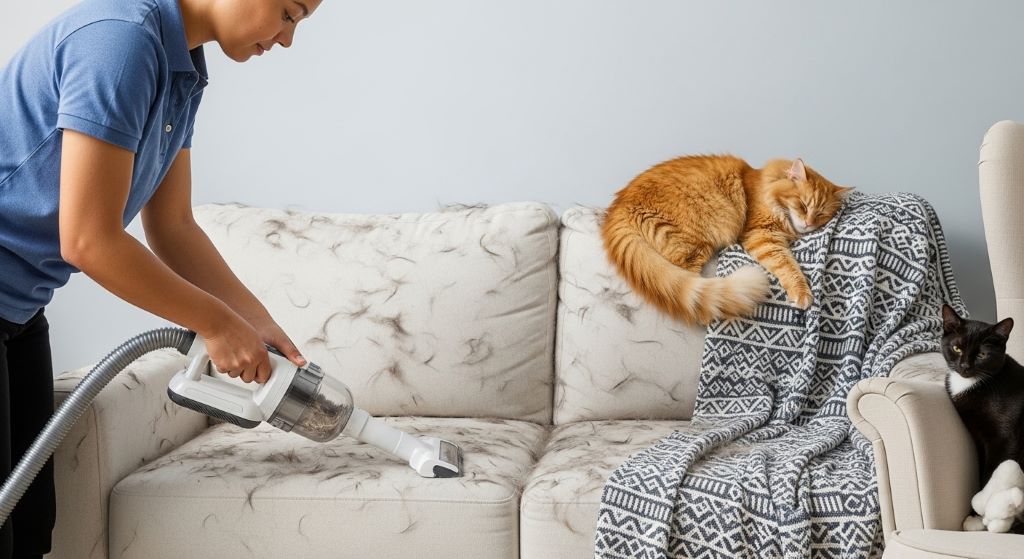

Living with pets is one of life’s great joys. However, it comes with a very real challenge: fur. It lands on your sofa, drifts across your floors, and somehow finds its way into every corner of your home. If you share your space with a cat or dog, you already know the struggle well.
The good news is that a fur-free home is entirely possible. You do not need to spend your weekends deep-cleaning every surface. With the right vacuum cleaner and a smart approach to cat hair control, you can stay on top of shedding without stress. This guide covers everything you need to know, from choosing the right vacuum to building a routine that actually works.
Understanding the Fur Problem in Pet Homes
Pet fur is not just a surface issue. It embeds itself into carpet fibers, clings to upholstery, and floats through the air before settling on furniture and floors. Dogs shed year-round, and cats are often even more prolific. Certain breeds shed seasonally in large amounts. Others shed lightly but consistently every single day.
Beyond aesthetics, pet hair carries allergens. Dander, which is tiny flakes of skin attached to fur, is a common trigger for allergies and asthma. Therefore, managing fur in your home is not just about keeping things tidy. It is also about keeping the air you breathe cleaner and healthier.
Additionally, fur can clog standard vacuums quickly. A vacuum not designed for pet hair will struggle, lose suction, and require frequent maintenance. This is why choosing the right tool is the essential first step.
What Makes a Vacuum Suitable for Pet Owners
Not every vacuum is built for pet hair. A general-purpose vacuum may work fine on hard floors, but it can leave behind embedded fur in carpets and fail to pick up the fine hairs that cling to fabric surfaces. When shopping for a pet-specific vacuum, there are several key features to keep in mind.
Strong, Consistent Suction
Suction power is the foundation of any good vacuum. Pet hair is often tangled deep in carpet pile, and weak suction simply will not reach it. Look for a vacuum with at least 200 air watts of suction. However, raw power alone is not enough. Consistent suction throughout the cleaning session matters just as much.
HEPA Filtration
A HEPA filter captures 99.97 percent of particles as small as 0.3 microns. This includes pet dander, dust mites, and other allergens. Without HEPA filtration, a vacuum can actually blow fine particles back into the air. Therefore, if anyone in your home has allergies, HEPA filtration is non-negotiable.
Tangle-Free Brush Rolls
Standard brush rolls are notorious for tangling with long pet hair. Once wrapped, they lose effectiveness and can even damage carpet fibers. Many pet-specific vacuums now feature anti-tangle or self-cleaning brush rolls. These are designed to cut through hair before it wraps around the roller. This feature alone can save you a great deal of time and frustration.
Specialized Pet Attachments
Upholstery tools, crevice nozzles, and mini motorized brush heads all help you reach fur in places the main head cannot. A motorized pet tool, for instance, is essential for deep-cleaning sofas and car seats. Additionally, some vacuums come with rubber-bristle tools that use static electricity to lift hair from fabric. These work exceptionally well on pet bedding.
Large Dustbin or Bagless Design
Pet fur takes up a surprising amount of space. A small dustbin fills up fast and forces you to stop and empty it often. Look for a model with a large capacity bin. Bagless designs are convenient because they are easy to empty and do not require ongoing bag purchases. However, bagged models can be better for allergy sufferers since emptying is cleaner and more contained.
Types of Vacuums and Which Works Best for Pet Owners
The vacuum market offers several types, and each has its place in a pet owner’s home. Understanding the strengths of each helps you make the right choice.
Upright Vacuums
Upright vacuums are powerful and well-suited for homes with lots of carpeting. They cover large areas quickly and often come with the strongest suction. Many top-rated pet vacuums are upright models. However, they can be heavy and less maneuverable than other types.
Canister Vacuums
Canister vacuums offer excellent versatility. The motor sits in a separate unit on wheels, making the cleaning head lighter and easier to move around furniture. They work well on both hard floors and carpets. Additionally, they tend to be quieter than upright models, which can be useful if your pets are noise-sensitive.
Cordless Stick Vacuums
Cordless stick vacuums are ideal for quick, daily cleanups. They are light, easy to grab, and require no plugging in. Therefore, they lower the barrier to vacuuming between deep cleans. While they may not replace a full-sized vacuum for weekly sessions, they are a fantastic supplement for maintaining floors on a daily basis.
Robot Vacuums
Robot vacuums have transformed the way pet owners manage fur. You can schedule them to run daily while you are at work. They keep floors consistently fur-free between manual vacuuming sessions. However, they are not a complete replacement for a powerful upright or canister vacuum. They work best as part of a broader cleaning routine.
Building an Effective Cleaning Routine for Pet Owners
Owning the right vacuum is only part of the solution. A consistent cleaning routine is what truly keeps fur under control. Without a schedule, fur accumulates faster than you can manage it. However, a well-structured plan makes the whole process feel manageable rather than overwhelming.
Daily Tasks
Daily maintenance does not need to take long. A few minutes each day prevents fur from building up into a bigger problem. Consider these quick daily habits:
- Run a robot vacuum or do a quick pass with a cordless stick vacuum on high-traffic floors.
- Use a lint roller on sofas and chairs where your pets spend the most time.
- Wipe hard surfaces with a slightly damp microfiber cloth to collect stray hairs.
These small actions add up. They prevent the kind of fur buildup that requires hours to address.
Weekly Deep Cleaning
Once a week, set aside time for a thorough vacuuming session. Use your main upright or canister vacuum on all carpeted areas. Move furniture when possible to reach hidden fur deposits. Additionally, use your upholstery attachment on sofas, chairs, and pet beds. Vacuum curtains and drapes as well, since fur clings to fabric at all heights.
This weekly session is the backbone of your overall cat hair control strategy. It targets the areas that daily maintenance misses. It also prevents allergens from accumulating to uncomfortable levels.
Monthly Maintenance
Once a month, take time to clean your vacuum itself. Empty and wash the dustbin, clean or replace filters, and check the brush roll for tangled hair. A well-maintained vacuum maintains strong suction over time. Neglecting this step leads to reduced performance and more fur left behind.
Also consider washing pet bedding and blankets monthly. These items harbor large amounts of fur and dander. Washing them regularly removes what vacuuming alone cannot.
Additional Tools That Complement Your Vacuum
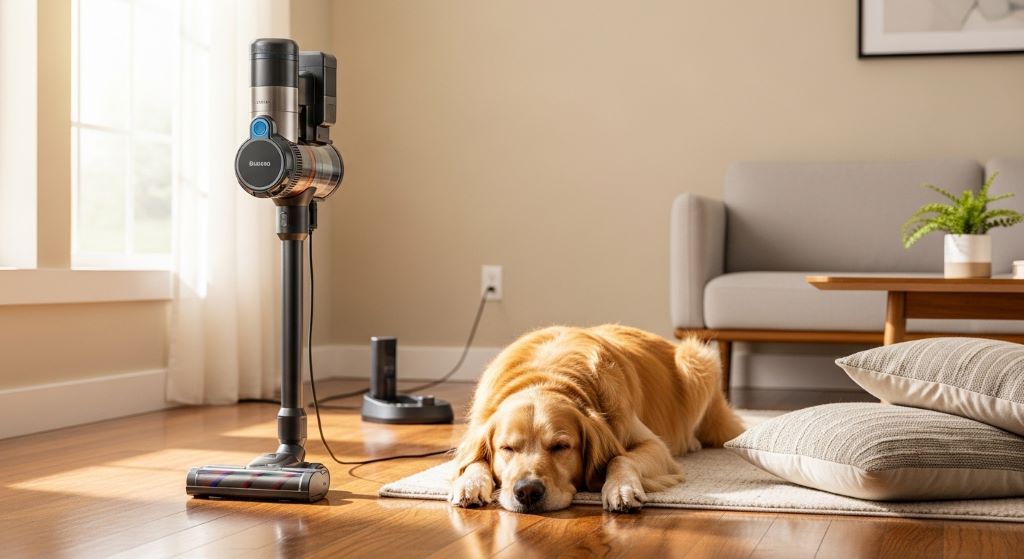
A great vacuum is your most important weapon against pet fur. However, a few other tools can make your efforts even more effective.
- Rubber gloves: Run a damp rubber glove over upholstery or carpet to gather fur into clumps before vacuuming. The static charge pulls hair up from deep within fabric fibers.
- Microfiber mops: These are excellent for hard floors. They trap fur rather than pushing it around, unlike traditional mops or dry sweeping.
- Air purifiers with HEPA filters: These capture airborne dander and pet hair particles that settle back onto surfaces after vacuuming. They are especially useful in rooms where pets spend the most time.
- Furniture covers: Washable covers on sofas and chairs make cleanup much faster. Simply remove and wash them instead of vacuuming upholstery every week.
Using these tools alongside your vacuum creates a more complete defense against pet fur. No single tool does everything on its own.
Tips for Managing Shedding at the Source
Reducing the amount of fur your pet sheds directly is one of the smartest things you can do. Less fur on the pet means less fur on your floors and furniture.
Brush your pet regularly. For heavy shedders, brushing every day or every other day makes a significant difference. Use a deshedding brush designed for your pet’s coat type. These remove loose undercoat fur before it falls around your home.
Diet also plays a role. A high-quality diet rich in omega-3 fatty acids supports healthy skin and reduces excessive shedding. If your pet seems to shed more than usual, a visit to the vet can rule out underlying health issues.
Additionally, bathing your pet regularly helps remove loose fur before it spreads. Not all pets tolerate baths easily, but even occasional grooming can reduce the amount of fur circulating in your home.
Choosing the Right Vacuum for Your Specific Home
The best vacuum for you depends on your home’s layout and surfaces. If you have mostly hard floors, a canister or stick vacuum with a soft roller head works best. If your home is heavily carpeted, a powerful upright with deep-cleaning capability is the better choice.
Consider the size of your home as well. A large house benefits from a corded upright with a long reach. A small apartment may be perfectly served by a cordless stick vacuum and a robot model for daily upkeep.
Think about your pets too. Multiple pets or large-breed dogs that shed heavily require more suction power and a larger dustbin. A single short-haired cat, on the other hand, might not demand the most powerful model on the market.
Finally, set a realistic budget. You do not need the most expensive vacuum to maintain a clean home. Many mid-range vacuums designed for pet owners perform beautifully. Read reviews from verified pet owners before making your decision, as their experience is the most relevant to your situation.
Conclusion
A fur-free home is not a fantasy. It is a realistic goal for any pet owner who has the right tools and a smart plan. The key is choosing a vacuum built for the demands of pet ownership, one with strong suction, HEPA filtration, tangle-resistant brush rolls, and useful attachments.
Beyond the vacuum itself, a consistent cleaning routine makes all the difference. Daily touch-ups, weekly deep cleans, and monthly maintenance together create a system that stays ahead of shedding rather than reacting to it. Complement your vacuuming with additional tools like rubber gloves, microfiber mops, and air purifiers for even better results.
Additionally, managing shedding at the source through regular grooming and a healthy diet reduces the overall fur load in your home. When you combine all of these strategies, you get a living space that is clean, comfortable, and enjoyable for both you and your pets. Fur is a fact of pet life, but it does not have to take over your home.
Frequently Asked Questions
1. How often should pet owners vacuum their homes?
Pet owners should aim to vacuum at least three to four times per week on high-traffic floors and carpets. For heavy shedders, daily vacuuming on key surfaces is ideal. Using a robot vacuum between manual sessions helps maintain cleanliness without extra effort.
2. Can a regular vacuum handle pet hair, or do I need a special one?
A standard vacuum can pick up surface-level pet hair, but it will struggle with embedded fur in carpets and fabric. Pet-specific vacuums feature stronger suction, HEPA filters, and tangle-resistant brush rolls that handle pet hair far more effectively. Therefore, if you have a shedding pet, a dedicated pet vacuum is worth the investment.
3. What is the best way to remove pet hair from upholstery?
Use a motorized upholstery attachment on your vacuum for the most thorough clean. Before vacuuming, run a damp rubber glove over the surface to gather loose hair into clumps. Lint rollers are also useful for quick touch-ups between vacuuming sessions.
4. Do robot vacuums work well for pet hair?
Robot vacuums are excellent for maintaining floors between full cleaning sessions. They keep fur from accumulating daily, which reduces the workload when you do a thorough vacuum. However, they cannot replace a powerful manual vacuum for deep carpet cleaning or upholstery care.
5. How do I stop pet hair from making my vacuum smell bad?
Empty your vacuum’s dustbin after every use to prevent fur and dander from building up and developing odors. Wash the bin and filters regularly with warm water. Some models allow you to add a fresh-scent sachet near the filter. Additionally, choosing a vacuum with sealed HEPA filtration prevents odorous particles from being blown back into the room during your cleaning routine.
Related Topics:
How to Replace a Cracked Shower Tile (DIY)
How to Choose Metal Roofing for Long-Term Benefits