
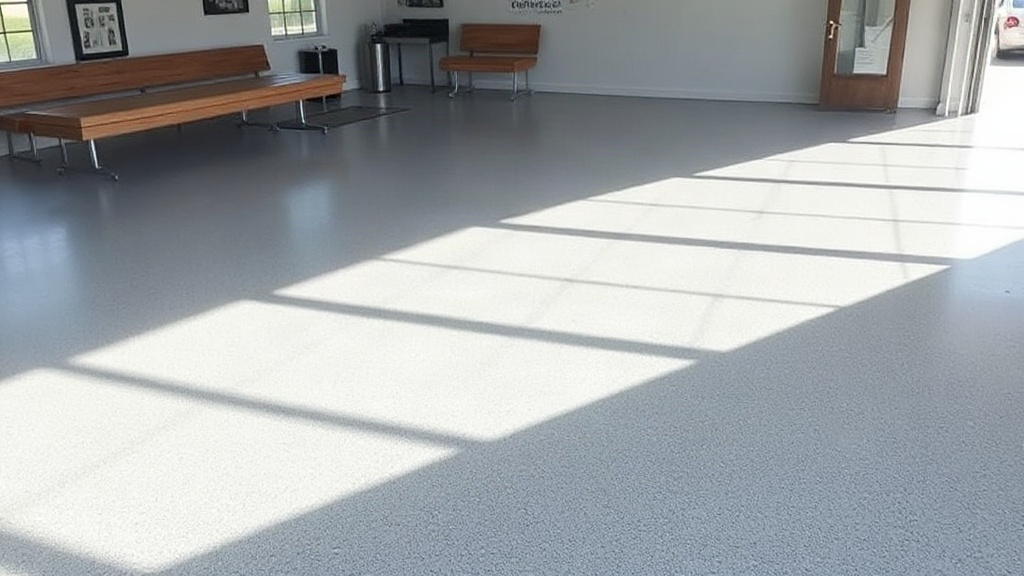

Your warehouse floor is cracking, your showroom floor looks tired, and every contractor you call offers a different answer. Commercial Epoxy Floors: The Ultimate Guide for Business Owners exists to end that confusion with practical, field-tested advice.
Quick answer: Epoxy flooring is a resin coating applied over prepared concrete that cures into a seamless, durable surface. What matters most is proper surface preparation, the right system thickness for your traffic, and correct curing time before you reopen. Expect a workable installation in a few days for most small facilities.
This guide covers what epoxy floors are, why they matter, proven best practices, costly mistakes, and answers to the questions business owners ask most. By the end, you will know how to specify and approve a floor with confidence.
What is Commercial Epoxy Floors: The Ultimate Guide for Business Owners?
Epoxy flooring is a two-part system — resin and hardener — that chemically cures into a hard, bonded surface over concrete. It is not paint. Once mixed, the components react, and the result resists impact, chemicals, and heavy foot traffic.
Business owners choose it because it solves concrete’s weaknesses. Bare concrete dusts, stains easily, and erodes under abrasion. Epoxy seals the slab and gives you a cleanable, seamless finish.
One practical point business owners often miss is that the slab itself needs to be checked before any product is specified. A simple site test for hardness, moisture, and contamination tells you whether the concrete can carry the planned system. Getting that information early prevents expensive surprises once the crew has already mobilised and the material is on site.
The main types of epoxy floor systems
Not every epoxy floor is the same. Thickness and build-up determine performance:
- Roller-applied coatings: Thin, budget-friendly, best for light traffic and storage areas.
- Self-leveling systems: Thicker, poured to a uniform finish, ideal for showrooms and retail.
- Mortar systems: Heavy-duty build with aggregate, built for forklifts and industrial loads.
- Decorative flake or quartz systems: Add color, texture, and slip resistance.
In our experience, the biggest performance gap comes from installing a thin coating where a heavy-duty system was needed.
Where commercial epoxy floors work best
Epoxy suits warehouses, manufacturing plants, auto shops, restaurants, clinics, retail spaces, and commercial kitchens. It performs well indoors on sound concrete. It is a poor fit for exterior slabs exposed to freeze-thaw cycles or intense UV. Those conditions call for alternatives like polyurethane or polyaspartic topcoats.
What determines how long your floor lasts
Three factors dominate: concrete condition, surface preparation, and the quality of the resin system. Moisture in the slab, oil contamination, and weak surface concrete all undermine adhesion. A professional installer tests for moisture and repairs defects before coating. Skipping that step is the most common reason epoxy floors peel within a year.
Takeaway: Epoxy is a system, not a product — thickness, preparation, and site conditions decide whether it lasts five years or fifteen.
Why Commercial Epoxy Floors: The Ultimate Guide for Business Owners matters
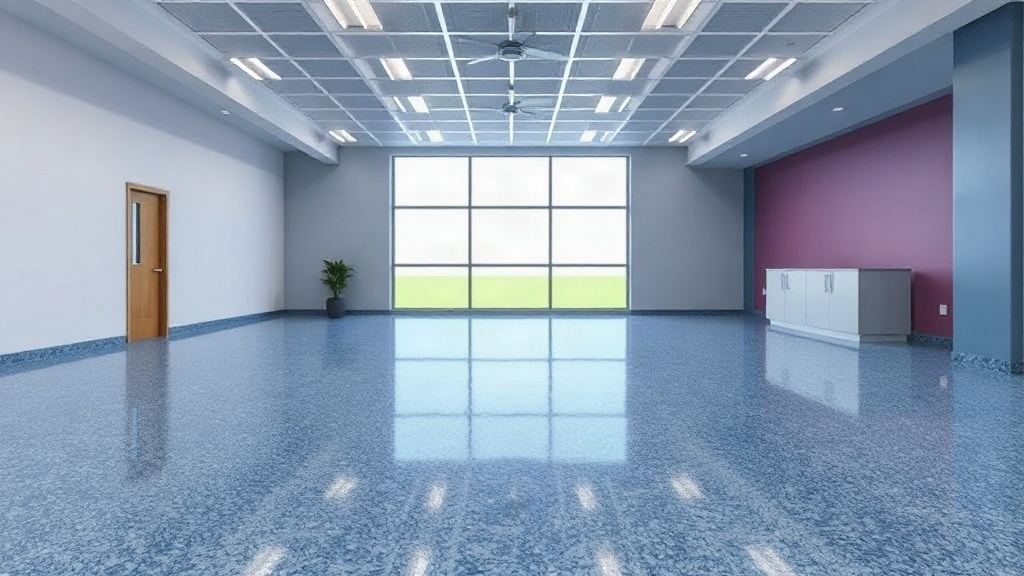
A floor is infrastructure. It carries your traffic, protects your building, and shapes how customers judge your business. Getting it right protects both your budget and your reputation.
Here is what is at stake when you specify a commercial floor.
Consider what a failed floor actually looks like in operation. Lifting corners snag pallet truck wheels, cracked areas collect dust and moisture, and patched sections create an uneven surface that slows work and raises injury risk. These small problems compound until a full replacement becomes unavoidable, which is why getting the specification right from the start pays for itself.
Cost of ownership over the floor’s life
An epoxy floor generally costs more upfront than bare concrete sealing but far less than tile or polished stone. The savings compound through lower cleaning costs and fewer repairs. According to industry flooring data, well-installed epoxy systems can serve ten to twenty years in moderate commercial settings. Replacing a failed floor doubles your spend, since removal and re-preparation add significant labor.
Safety, downtime, and compliance
Seamless floors reduce trip hazards and eliminate grout lines where bacteria collect. Slip resistance matters for insurance and workplace safety audits. In food and healthcare facilities, cleanable floors support sanitation standards. Downtime is the hidden cost — an installation can take your operation offline for several days. Planning around that window protects revenue.
Durability that survives real business pressure
Forklift traffic, chemical spills, hot oil, and constant cleaning all attack floors. Epoxy resists most of it when the right system is chosen. We have seen mortar-grade floors handle loaded pallet jacks daily for a decade with minimal maintenance. Thin coatings in the same building failed within two years.
When epoxy is not the right investment
Honesty matters here. If your slab has severe moisture issues that no vapor barrier can address, or your space sees direct sunlight and harsh weather, epoxy may underperform. In those cases, a different resin system is the wiser spend. The goal is a floor that fits your building, not the trendiest option.
Takeaway: Judge an epoxy floor by total cost of ownership, not the bid price — downtime and premature failure hurt more than a slightly higher upfront quote.
Best practices
Good outcomes follow a repeatable process. These are the practices that separate floors that age gracefully from those that fail early.
Document the floor at handover, photographing each zone and logging the build-up, batch numbers, and application date. That record makes future warranty claims straightforward and shows your maintenance team exactly which products to use. It also helps when you sell the building or refit.
Prepare the concrete properly
Preparation is 80% of installation quality. Contractors should mechanically grind the surface, not just acid-etch it. Grinding opens the concrete’s pores so resin bonds deeply. Test for moisture using a calcium chloride or in-situ probe test. Fill cracks and repair spalled areas before coating. If oil stains exist, degrease and grind until clean.
Match the system to the traffic
Ask your installer to specify thickness and topcoat against your actual usage. A retail showroom needs a smooth, decorative finish. A forklift aisle needs a mortar system with a textured topcoat. Request written product data sheets and confirm the warranty covers your use case.
Control the environment and cure time
Epoxy cures best between roughly 60°F and 85°F with low humidity. Cold or damp conditions slow curing and cause cloudy finishes. Plan your schedule around the cure window — light foot traffic after 24 hours, full traffic after about 72. Heavy loads may need longer. Do not rush this step.
Plan a realistic installation schedule
Most installations run three to five days across preparation, coating, and curing. Schedule the work during slow periods. Confirm how the installer will protect adjacent areas and manage dust from grinding.
Set up a maintenance routine
Sweep or dust-mop daily and damp-mop as needed. Use pH-neutral cleaners; harsh acids dull the finish. Place mats at entrances to trap grit that scratches the surface. Fix small chips early before they spread.
Takeaway: Insist on mechanical preparation, traffic-matched systems, controlled curing, and simple maintenance — that combination carries most of your floor’s lifespan.
Common mistakes to avoid
Most epoxy failures trace back to a handful of avoidable errors. Learn them before you sign a contract.
Another common error is moving equipment and pallets back into the building before the floor has fully cured rather than just reached its initial set. Heavy point loads from racking and forklift wheels can still compress a floor that feels hard to the touch. Keep the bay empty until the installer confirms a full cure, and remember that lower temperatures can stretch that timeline by a day or more.
Choosing on price alone
The lowest bid usually cuts preparation or resin quality. A cheaper thin coat that peels in eighteen months costs more than a properly built system. Compare itemized quotes, not just totals. Look for moisture testing, grinding, and warranty terms in writing.
Skipping moisture testing
Concrete releases water vapor from below. Without testing, that moisture can cause bubbles, blisters, or delamination after installation. A reputable installer always tests. If a contractor dismisses moisture concerns, find another one.
Ignoring cure time
Reopening too soon damages the finish before it hardens. In our testing, premature forklift traffic left permanent tire marks on a floor that had cured for only 48 hours. Buffer your reopening date and avoid heavy loads until the installer confirms it is safe.
Using the wrong system for the space
A decorative flake floor in a chemical plant will not survive spills. Conversely, a rugged mortar floor in a boutique may look industrial. Match the system to your environment and accept that the right product may cost more upfront.
Poor installation conditions
Dust, high humidity, or extreme cold ruin finishes. Confirm your installer controls temperature and airflow during application. Ask about dust containment, especially in occupied buildings.
No maintenance plan
Even a great floor degrades without basic care. Abrasive grit, harsh chemicals, and delayed spill cleanup shorten its life. Set a cleaning schedule on day one, not after the first stain.
Takeaway: Avoid cheap bids, skipped moisture tests, rushed cures, mismatched systems, and neglected maintenance — each one is a failure waiting to happen.
FAQ
How much do commercial epoxy floors cost per square foot?
Most commercial systems range from roughly $3 to $12 per square foot installed, depending on thickness, preparation needs, and finish. Thin coatings sit at the low end, while heavy-duty mortar and decorative systems cost more. Always request itemized quotes so you can compare preparation and materials fairly.
How long does installation take?
Plan for three to five days on a typical commercial job, including preparation, coating, and curing. Large or heavily damaged slabs take longer. Ask your installer for a written schedule with cure times so you can plan downtime realistically.
Can epoxy floors be installed over an existing floor?
Epoxy bonds to sound concrete, not to tile, vinyl, or old coatings. In most cases, the old surface must be removed and the concrete ground before installation. Your installer should assess adhesion with test patches on repaired areas.
How long before we can reopen?
Light foot traffic is usually fine after 24 hours. Full traffic, including forklifts, typically waits about 72 hours. Cold temperatures extend cure time. Confirm the reopening window in writing before work begins.
Do epoxy floors get slippery when wet?
Smooth epoxy can be slippery. Adding a texture or anti-slip aggregate to the topcoat makes it safer for kitchens, ramps, and wet areas. Specify the slip rating you need, and check it meets your insurer’s requirements.
Conclusion
Commercial Epoxy Floors: The Ultimate Guide for Business Owners comes down to one idea: preparation and system fit beat price every time. Epoxy flooring rewards business owners who test the slab, specify the right thickness, and respect cure windows. It punishes rushed, cheap work.
Start with a professional site assessment that includes moisture testing and a written system recommendation. Then compare at least two itemized quotes before committing. That single step protects your budget and your operations for years.