
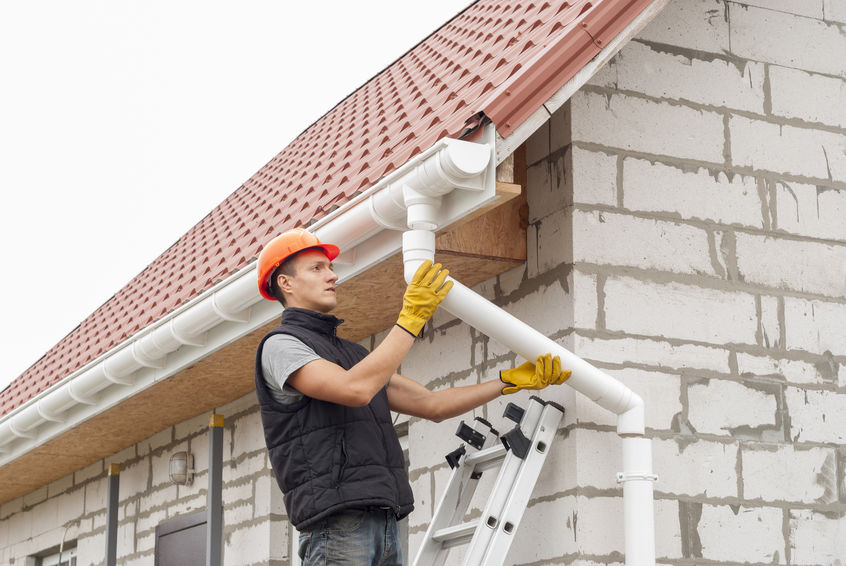

Gutters play a crucial role in directing rainwater away from your home and protecting your roof, walls, foundation, and landscaping from water damage. If your gutters are clogged or damaged, they can cause leaks, mold, mildew, rot, and other problems that can be expensive to fix. Therefore, it’s essential to check your gutters regularly to ensure they are in good condition and functioning correctly. In this article, we will guide you on how to check your gutters effectively.
Importance of Checking Gutters Regularly

Checking your gutters is an essential maintenance task that can help prevent costly repairs and increase the lifespan of your home. By checking your gutters regularly, you can:
- Prevent clogs: Dirt, leaves, twigs, and other debris can accumulate in your gutters and cause blockages that prevent water from flowing freely. Clogged gutters can lead to water overflow, roof damage, and foundation issues.
- Identify leaks: Cracks, holes, and other damage can develop in your gutters over time, causing leaks that can damage your home’s interior and exterior.
- Avoid pests: Gutters that are full of debris can attract rodents, insects, and other pests that can nest and breed in your home’s roof and walls.
- Improve curb appeal: Clean and well-maintained gutters can enhance your home’s appearance and increase its value.
Tools You’ll Need
Before you start checking your gutters, you’ll need some basic tools:
- Ladder: A sturdy ladder that can reach your gutters safely and comfortably.
- Gloves: Heavy-duty gloves to protect your hands from sharp edges, debris, and pests.
- Goggles: Eye protection to shield your eyes from debris and splashing water.
- Hose: A garden hose with a spray nozzle to flush out your gutters.
Steps to Check Your Gutters
Follow these steps to check your gutters effectively:
Step 1: Choose a Good Time
Choose a sunny day to check your gutters, preferably when the ground is dry and stable. Avoid checking your gutters during rainy or windy weather as it can be dangerous and ineffective.
Step 2: Inspect Your Gutters from the Ground
Start by inspecting your gutters from the ground. Look for signs of damage, such as cracks, holes, dents, sagging, and loose brackets. Check for signs of rust, corrosion, and discoloration. Make sure your gutters are securely attached to your home and not pulling away from the roofline.
Step 3: Climb Up the Ladder
Once you’ve inspected your gutters from the ground, climb up the ladder to get a closer look. Make sure the ladder is stable and secure before climbing up. Lean the ladder against the wall or roofline, not the gutters themselves. Use the 3-point rule: keep two hands and one foot, or two feet and one hand, on the ladder at all times.
Step 4: Inspect Your Gutters Up Close
Once you’re up the ladder, inspect your gutters up close. Use your hands to feel for debris, damage, and blockages. Look for signs of wear and tear, such as rust, holes, cracks, and loose brackets. Use a screwdriver or other tool to test for strength and stability.
Step 5: Flush Out Your Gutters
After inspecting your gutters, use a garden hose with a spray nozzle to flush out any debris and blockages. Start at the downspout and work your way back to the opposite end of the gutter. Use a gutter scoop or trowel to remove any stubborn debris.
Step 6: Check Your Downspouts
Once you’ve flushed out your gutters, check your downspouts to make sure they are clear and functioning correctly. Use your hands or a small tool to clear any blockages. Test the flow of water to make sure it’s coming out at a steady pace and not overflowing or splashing.
Step 7: Look for Water Damage
After checking your gutters, look for signs of water damage around your home. Check your roof, walls, foundation, and landscaping for signs of water stains, mold, mildew, rot, or erosion. If you notice any damage, take photos and make a note of the location and severity.
Step 8: Schedule Repairs or Maintenance
If you find any damage or issues with your gutters during the inspection, schedule repairs or maintenance as soon as possible. Ignoring gutter problems can lead to more extensive and costly repairs down the line.
Tips for Maintaining Your Gutters
To keep your gutters in good condition and prevent problems, follow these tips:
- Clean your gutters at least twice a year, preferably in the spring and fall.
- Trim trees and shrubs around your home to prevent debris from falling into your gutters.
- Install gutter guards to prevent debris from accumulating in your gutters.
- Repair any damage to your gutters as soon as possible to prevent further issues.
- Monitor your gutters for signs of wear and tear, and replace them if necessary.
- Check your downspouts regularly to make sure they are clear and functioning correctly.
- Hire a professional gutter cleaning or repair service if you are unable to do it yourself.
Conclusion
Checking your gutters is a crucial task that can help prevent water damage, pests, and other issues that can be costly to fix. By following these steps and tips, you can keep your gutters in good condition and ensure they are functioning correctly. Regular maintenance and repairs can help extend the lifespan of your gutters and protect your home from water damage.