


Ever walked into your bathroom only to find a nasty surprise in your bathtub? Sewer backups are not just gross; they can be a real headache. But don’t worry, you’re not alone. Many homeowners face this issue, and the good news is, you can tackle it yourself. Ready to dive in and get your bathroom back to its sparkling self? Let’s get started how to get rid of sewer backup in your bathtub!
What Causes Sewer Backup in Bathtubs?

Before we jump into the solution, let’s understand the problem. Sewer backups can happen for several reasons:
- Clogged Drains: Hair, soap scum, and other debris can build up over time, causing blockages.
- Tree Roots: Roots can infiltrate your sewer lines, causing blockages and backups.
- Broken or Collapsed Sewer Lines: Older pipes can break or collapse, leading to backups.
- Heavy Rainfall: Excessive rain can overwhelm the sewer system, causing backups.
Knowing the cause can help you prevent future issues. Now, let’s get to the cleanup.
Safety First
Cleaning up a sewer backup isn’t just about getting rid of the mess; it’s also about protecting yourself. Sewage contains harmful bacteria and pathogens. Here’s how to stay safe:
- Wear Protective Gear: Gloves, safety goggles, and a face mask are essential.
- Ventilate the Area: Open windows and doors to let fresh air in.
- Avoid Direct Contact: Try not to touch the sewage with your bare hands.
Step-by-Step Guide to Cleaning Sewer Backup
Step 1: Remove Solid Debris
Start by removing any solid debris from the bathtub. Use a plastic scoop or a small bucket to carefully scoop out the waste. Place it in a heavy-duty garbage bag and seal it tightly.
Step 2: Initial Rinse
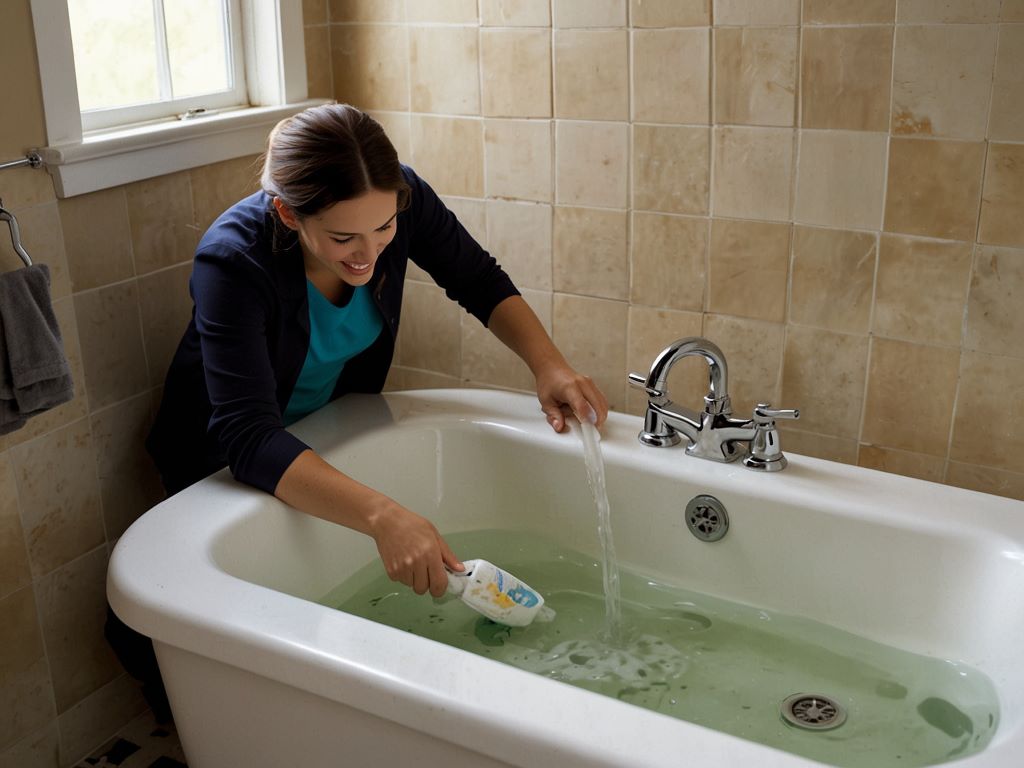
Rinse the bathtub with clean water. Use a bucket or a showerhead to wash away any remaining residue. This initial rinse helps to remove the bulk of the sewage.
Step 3: Apply a Cleaner
Apply a suitable cleaner to the tub. You can use a commercial cleaner or a homemade solution of bleach and water. Let it sit for a few minutes to break down any remaining grime.
Step 4: Scrub the Tub
Using a scrub brush, thoroughly clean the bathtub. Pay extra attention to any stubborn spots. Scrubbing helps to remove any remaining bacteria and grime.
Step 5: Rinse Again
Rinse the tub again with clean water. Make sure to wash away all the cleaner and any loosened debris.
Step 6: Disinfect
Disinfect the bathtub using a sanitizer. This step is crucial to kill any remaining bacteria. You can use a commercial disinfectant or a solution of bleach and water.
Step 7: Final Rinse
Give the tub one last rinse with clean water. This ensures that all cleaning agents and contaminants are washed away.
Preventing Future Sewer Backups

Now that your bathtub is clean, let’s talk prevention. Here are some tips to keep sewer backups at bay:
- Regular Maintenance: Clean your drains regularly to prevent clogs.
- Watch What You Flush: Avoid flushing items like wipes, sanitary products, and grease down the drain.
- Inspect Your Sewer Lines: Have a professional inspect your sewer lines periodically, especially if you have older pipes.
- Install a Backwater Valve: This device can prevent sewage from backing up into your home during heavy rainfall.
Conclusion
Dealing with a sewer backup in your bathtub can be a daunting task, but with the right approach, you can handle it like a pro. Remember to stay safe, follow the steps carefully, and take preventive measures to avoid future issues. Your bathroom will be back to its clean and fresh state in no time. Happy cleaning!