
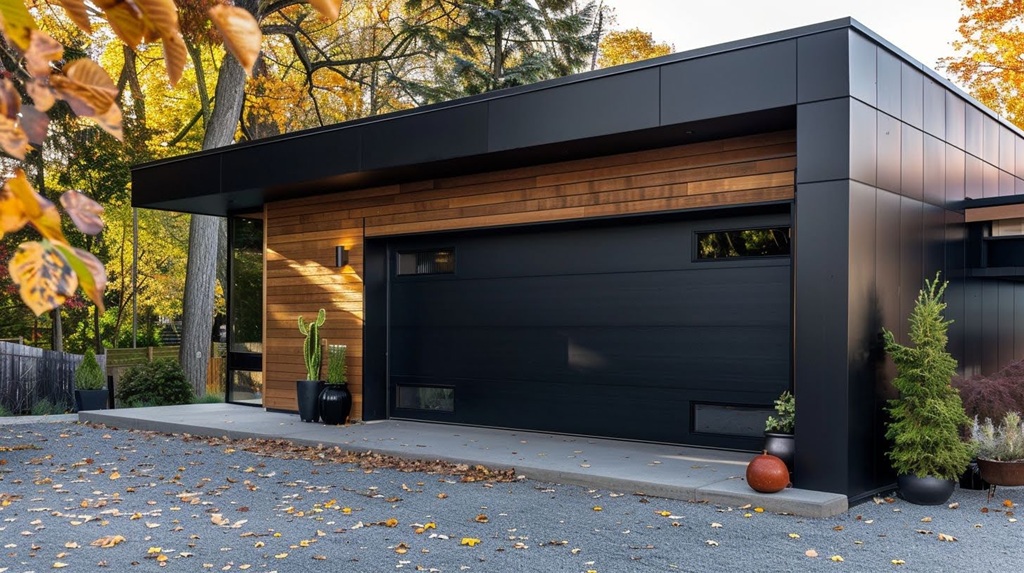

A garage door isn’t just a moving wall; it’s the welcoming face of your home, a security barrier, and a significant factor in your property’s curb appeal. Choosing the right size is crucial, impacting both functionality and aesthetics. Whether you’re building a new garage, replacing an old door, or simply curious about the standards, this comprehensive guide dives deep into the world of garage door dimensions.
Standard Garage Door Sizes: A Quick Overview
While customization is always an option, most homes stick to standard garage door sizes. This simplifies the building process, ensures readily available replacements, and keeps costs down.
Here’s a quick look at the most common dimensions:
- Single Garage Doors: Typically used for garages designed for one car, these come in two primary sizes:
- 8 feet wide x 7 feet high: This is the most common size for single doors, offering enough space for most standard vehicles.
- 9 feet wide x 7 feet high: A slightly wider option, ideal for larger vehicles like SUVs or trucks, or if you desire a bit more clearance.
- Double Garage Doors: Designed for two-car garages, these offer more width for easier parking and maneuvering:
- 16 feet wide x 7 feet high: The most popular choice for double garages, accommodating two standard vehicles comfortably.
- 18 feet wide x 7 feet high: Provides extra width for larger vehicles or additional storage space alongside parked cars.
Beyond the Basics: Factors Influencing Garage Door Size
While the above dimensions cover the majority of homes, there are several factors that might necessitate a different size:
- Vehicle Size: If you own a large truck, an RV, or a vehicle with a roof rack or elevated features, you’ll need a taller door. Consider an 8-foot or even a 10-foot high door to ensure ample clearance.
- Garage Usage: Do you use your garage for more than just parking? If it’s a workshop, a home gym, or a storage area for bulky items, you might need a wider or taller door to accommodate your needs.
- Architectural Style: The design of your home can also influence your garage door choice. A modern home might suit a sleek, wider door, while a traditional home might look best with a standard-sized door with classic design elements.
- Future Needs: Think about your future needs. Are you planning to upgrade to a larger vehicle? Might you need more garage space down the line? Choosing a slightly larger door now can save you the hassle and expense of replacement later.
A Deeper Dive into Dimensions: Understanding Width, Height, and Headroom
To truly grasp garage door sizing, it’s essential to break down the key measurements:
- Width: This is the horizontal measurement of the door opening. For single doors, 8 or 9 feet is standard. Double doors typically range from 16 to 18 feet. Wider doors are available, often in 2-foot increments, for larger garages or specific needs.
- Height: This is the vertical measurement of the door opening. 7 feet is the standard height, but 8 feet is becoming increasingly common, especially in newer homes with higher ceilings and larger vehicles. 10-foot high doors are necessary for RVs and some commercial vehicles.
- Headroom: This refers to the space between the top of the garage door opening and the ceiling. You need adequate headroom to accommodate the garage door tracks and the door itself when it’s open. 12 inches is the minimum headroom, but 18 inches or more is ideal for smooth operation and to accommodate future door opener upgrades.
Chart of Common Garage Door Sizes
For a quick visual reference, here’s a table summarizing the most common garage door dimensions:
| Door Type | Width (feet) | Height (feet) | Notes |
| Single | 8 | 7 | Most common size for single car garages |
| Single | 9 | 7 | Suitable for larger vehicles or extra clearance |
| Single | 8 | 8 | Provides more headroom for taller vehicles |
| Double | 16 | 7 | Standard size for two-car garages |
| Double | 18 | 7 | Offers extra width for larger vehicles or storage |
| Double | 16 | 8 | Accommodates SUVs, trucks, and taller vehicles |
Export to Sheets
Measuring Your Garage Door: A Step-by-Step Guide
Whether you’re replacing an existing door or planning a new garage, accurate measurements are crucial.
Here’s how to measure your garage door opening correctly:
- Measure the Width: Use a tape measure to find the distance between the inside edges of the garage door opening at its widest point.
- Measure the Height: Measure the distance from the floor to the underside of the header (the horizontal beam above the opening).
- Measure the Headroom: Measure the distance from the top of the garage door opening to the ceiling.
- Measure the Side Room: Measure the distance between the edge of the garage door opening and the nearest wall on both sides. This is important for track installation.
- Note any Obstructions: Take note of any potential obstructions, such as light fixtures, pipes, or ductwork, that might interfere with door installation or operation.
Pro Tip: If you’re unsure about any measurements or encounter any unusual features in your garage, it’s always best to consult with a professional garage door installer.
Related: Breaking the Mold: A Guide to Custom Garage Door Sizes in the USA
Beyond Standard Sizes: Custom Garage Doors

While standard sizes cater to most needs, sometimes a custom solution is required. Here are some situations where you might consider a custom garage door:
- Unique Architectural Design: If your home has a non-standard opening or a specific architectural style, a custom door can be designed to seamlessly integrate with the overall aesthetic.
- Oversized Vehicles: Owners of RVs, large trucks, or commercial vehicles often require custom-sized doors to accommodate their vehicles’ height and width.
- Special Requirements: You might need a custom door for specific functionalities, such as extra insulation, increased security features, or unique materials and finishes.
Garage Door FAQs: Answering Your Burning Questions
-
What is the rough cost of a new garage door?
The cost of a new garage door can vary significantly based on size, material, style, features, and installation. A single garage door can range from $300 to $1,500, while a double door can cost anywhere from $600 to $3,000 or more. Custom doors and high-end materials like wood will naturally be more expensive.
-
Can I install a garage door myself?
While it’s technically possible to install a garage door yourself, it’s a complex project that requires specialized tools, knowledge, and experience. Improper installation can lead to safety hazards and affect the door’s performance and longevity. It’s generally recommended to hire a professional installer for a safe and efficient installation.
-
How long do garage doors typically last?
With proper maintenance, a garage door can last 15 to 30 years. Regular cleaning, lubrication, and inspection can extend its lifespan. However, factors like climate, usage, and material quality can also affect its durability.
-
What are the most common garage door materials?
- Steel: Durable, affordable, and available in various styles and colors.
- Aluminum: Lightweight, rust-resistant, and often used in modern homes.
- Wood: Classic, and elegant, but requires more maintenance than other materials.
- Fiberglass: Durable, low-maintenance, and can mimic the look of wood.
- Vinyl: Cost-effective, resistant to dents and scratches, and requires minimal maintenance.
-
How do I choose the right garage door style for my home?
Your garage door style should complement your home’s architecture and your personal preferences. Consider factors like panel design, window options, color, and hardware to create a cohesive look. Browse online galleries, visit showrooms, and consult with design professionals for inspiration.
Related: Keeping Your Garage Door Running Smoothly: A Guide to Maintenance Frequency
-
What are the different types of garage door openers?
- Chain Drive: Affordable and reliable, but can be noisy.
- Belt Drive: Quieter than a chain drive, but more expensive.
- Screw Drive: Efficient and suitable for heavy doors, but can be noisy and require more maintenance.
- Direct Drive: The quietest and most durable option, but also the most expensive.
-
How can I improve my garage door’s energy efficiency?
- Insulation: Choose a door with a high R-value for better insulation.
- Weatherstripping: Seal gaps around the door to prevent drafts.
- Regular Maintenance: Ensure proper alignment and lubrication to prevent air leaks.
Making the Right Choice: Final Considerations
Choosing the right garage door size is a balance of practicality, aesthetics, and budget. By understanding the standard sizes, considering your specific needs, and carefully measuring your garage opening, you can make an informed decision that enhances your home’s functionality and curb appeal for years to come. Remember, a well-chosen garage door is an investment in your property’s value and your everyday convenience.