
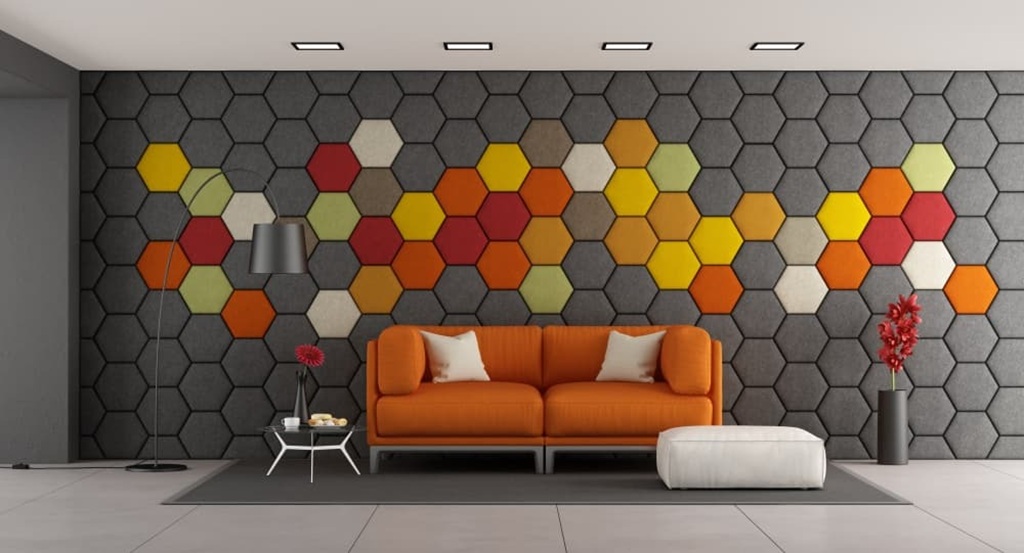

In today’s increasingly noisy world, creating a peaceful and acoustically comfortable environment within our homes and workplaces has become paramount. Whether you’re a musician seeking a pristine recording space, a homeowner battling the echoes of a large living room, or a business owner aiming for a productive office, understanding the nuances of acoustic treatment is essential. One common question that arises is, “Can you put acoustic panels on walls?” The answer is a resounding yes, but the effectiveness and implementation depend on various factors. This article will delve into the intricacies of acoustic panels, wall types, soundproofing techniques, and practical solutions to help you achieve your desired acoustic environment.
Can You Put Acoustic Panels on Walls? The Fundamentals of Acoustic Treatment

Acoustic panels are designed to absorb sound waves, reducing reverberation and echoes within a space. They are typically made from porous materials like foam, fiberglass, or mineral wool, which effectively convert sound energy into heat. Placing these panels on walls is a standard practice and a highly effective way to improve room acoustics. The key is strategic placement and selecting the right type of panel for your specific needs.
The primary function of acoustic panels is to control reflected sound, not to block sound transmission. Sound transmission involves preventing sound from traveling through a wall to an adjacent room. Acoustic treatment, on the other hand, focuses on managing the sound within a room to improve clarity and reduce unwanted echoes. Therefore, while acoustic panels significantly enhance the listening experience within a space, they won’t fully soundproof a wall on their own.
Understanding the Role of Wall Types in Acoustics
The type of wall you’re working with plays a crucial role in the overall acoustic performance of a room. Different wall materials and constructions offer varying levels of sound absorption and transmission resistance.
- Drywall/Plasterboard: This is the most common wall type in modern construction. While relatively inexpensive and easy to install, standard drywall offers limited sound absorption and transmission resistance. It tends to reflect sound, contributing to reverberation. However, double-layered drywall or specialized acoustic drywall can significantly improve sound transmission loss.
- Concrete/Brick: These materials are dense and offer excellent sound transmission resistance. They are effective at blocking sound from passing through the wall. However, their hard surfaces also reflect sound, potentially leading to excessive reverberation within the room. Acoustic treatment is often necessary to mitigate this issue.
- Wood Paneling: Wood can offer a warm aesthetic and some level of sound diffusion, scattering sound waves to prevent harsh reflections. However, thin wood paneling may not provide substantial sound absorption or transmission resistance.
- Specialized Acoustic Walls: These walls are designed with specific acoustic properties, incorporating materials like mass-loaded vinyl, resilient channels, and sound-absorbing insulation. They offer superior sound transmission loss and are ideal for high-performance applications like recording studios or home theaters.
The Best Wall Type for Acoustics: A Balanced Approach
There’s no single “best” wall type for acoustics. The ideal choice depends on your specific needs and priorities. If sound transmission is your primary concern, dense materials like concrete or brick, or specialized acoustic walls, are preferable. However, if you’re primarily focused on controlling reverberation within a room, standard drywall with appropriate acoustic treatment can be effective.
For optimal results, a combination of sound transmission reduction and sound absorption is often necessary. This might involve using dense materials for the wall structure and incorporating acoustic panels or other sound-absorbing materials to manage reflections.
Do Acoustic Panels for Walls Work? The Science Behind Sound Absorption
The effectiveness of acoustic panels lies in their ability to absorb sound energy. Sound waves consist of alternating areas of high and low pressure. When these waves encounter a porous material, the air molecules within the pores vibrate, converting the kinetic energy of the sound wave into heat. This process reduces the reflected sound energy, minimizing reverberation and echoes.
The level of sound absorption depends on several factors, including the panel’s material, thickness, and porosity. Thicker and more porous panels generally offer better sound absorption, particularly at lower frequencies. The placement of the panels is also crucial. Strategically placing panels at reflection points can significantly improve room acoustics.
Acoustic panels work remarkably well for controlling reflections within a room. They can improve speech intelligibility, enhance music clarity, and create a more comfortable listening environment. However, it’s essential to understand that they primarily address sound within the room, not sound transmission.
How to Soundproof a Wall Cheaply: Practical and Affordable Solutions
While professional soundproofing can be expensive, several affordable techniques can significantly reduce sound transmission through walls.
- Adding Mass: Increasing the mass of a wall is a fundamental principle of soundproofing. This can be achieved by adding an extra layer of drywall, ideally using a denser material like soundproof drywall.
- Using Resilient Channels: Resilient channels are metal strips that decouple the drywall from the studs, reducing the transfer of vibrations. Installing resilient channels before adding an extra layer of drywall can significantly improve sound transmission loss.
- Filling Cavities with Insulation: Filling the wall cavities with sound-absorbing insulation, such as mineral wool or fiberglass, can help absorb sound waves and reduce sound transmission.
- Sealing Air Gaps: Air gaps and cracks can significantly compromise soundproofing. Carefully sealing any gaps around electrical outlets, light switches, and other penetrations can make a noticeable difference.
- Using Mass-Loaded Vinyl (MLV): MLV is a dense, flexible material that can be added to the wall to increase its mass and improve sound transmission loss. While slightly more expensive than other options, it offers excellent performance.
- Acoustic Caulk: Using acoustic caulk to seal edges and gaps around the drywall can help to prevent sound leaks.
- Soundproof Curtains or Blankets: While not a permanent solution, heavy soundproof curtains or blankets can absorb some sound and reduce reflections, especially for windows or temporary setups.
Read More Also: Decoding Garage Door Dimensions: Your Guide to Standard Sizes and Beyond
People Also Ask (FAQs)
Q: How many acoustic panels do I need?
A: The number of panels depends on the room size, shape, and desired acoustic performance. A general rule of thumb is to cover 20-30% of the wall surface area. However, it’s best to consult with an acoustic specialist for a more accurate assessment.
Q: Where should I place acoustic panels?
A: Place panels at primary reflection points, such as the first reflection points on the side walls and ceiling. These are the points where sound waves bounce off the surfaces and reach the listener. Mirror placement can help find these reflection points.
Q: Can I use egg cartons for acoustic treatment?
A: Egg cartons are not effective for acoustic treatment. They are too thin and have irregular surfaces, providing minimal sound absorption. They may change the high frequency response slightly, but will not provide a linear absorption coefficient.
Q: What is the difference between soundproofing and acoustic treatment?
A: Soundproofing aims to block sound transmission between rooms, while acoustic treatment focuses on managing sound within a room to improve clarity and reduce echoes.
Q: Do acoustic panels work for bass frequencies?
A: Standard acoustic panels are more effective at absorbing mid and high frequencies. For bass frequencies, thicker panels or specialized bass traps are required.
Q: Are acoustic panels expensive?
A: The cost of acoustic panels varies depending on the material, size, and brand. DIY options can be relatively inexpensive, while professional-grade panels can be more costly.
Q: Can I make my own acoustic panels?
A: Yes, DIY acoustic panels are a cost-effective option. You can use materials like mineral wool or fiberglass insulation and fabric to create your own panels.
Conclusion: Creating Your Ideal Acoustic Environment
Achieving optimal acoustics requires a comprehensive approach that considers both sound transmission and sound absorption. Acoustic panels are a valuable tool for managing sound within a room, but they should be used in conjunction with other soundproofing techniques for best results. By understanding the properties of different wall types and implementing practical solutions, you can create a comfortable and acoustically pleasing environment that meets your specific needs. Whether you’re aiming for a quiet workspace, a lively home theater, or a pristine recording studio, the principles outlined in this article will guide you on your journey to acoustic excellence. Remember, the key is to assess your specific requirements, choose the right materials, and implement a strategic approach to achieve the desired results.