
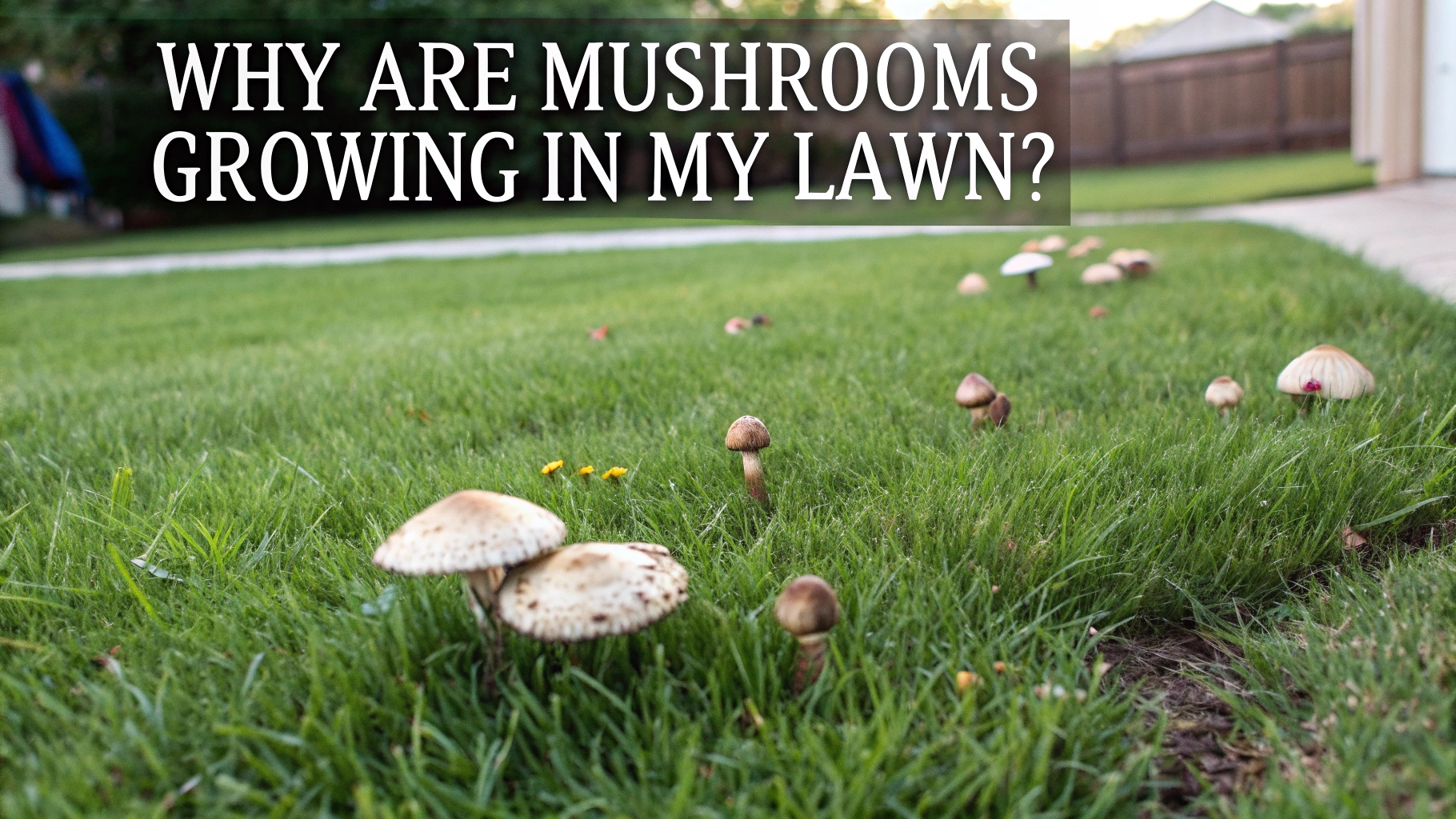

Have you ever walked outside after a rainy day and found mushrooms growing lawn popping up across your lawn? You’re not alone. These little fungi often raise questions from homeowners, especially those who take pride in maintaining a clean and lush lawn. Mushrooms aren’t necessarily bad, but they can be a sign of something happening beneath the surface.
Mushrooms can appear suddenly, and while they might look harmless (or even a little magical), their presence can mean your lawn’s ecosystem is off balance. Whether you’re concerned about kids, pets, or just curious about why they’re there, understanding the reasons behind mushroom growth is key to proper lawn care.
If you’re looking for a professional lawn care solution, don’t forget to expore Boyers Lawn Care for trusted advice and eco-friendly lawn services.
In this blog post, we’ll break down why mushrooms grow in lawns, how to prevent them, and what they may be telling you about your yard’s health.
What Causes Mushrooms to Grow in Lawns?

Mushrooms are actually just the fruiting bodies of fungi living underground. The real action is happening in the soil, where fungi break down organic material like dead roots, tree stumps, and buried wood. When conditions are just right—moisture, organic matter, and shade—mushrooms pop up.
Here are some of the main reasons mushrooms grow in your lawn:
- Excess Moisture: Heavy rainfall or overwatering creates the perfect environment for fungal growth.
- Poor Drainage: Compacted soil or low-lying areas may not drain well, encouraging mushrooms to appear.
- Shaded Areas: Lawns that get little sunlight stay damp longer, helping fungi thrive.
- Organic Debris: Tree stumps, dead roots, and buried wood feed fungi for years.
According to the University of Illinois Extension, mushrooms are a natural part of the lawn’s ecosystem and contribute to nutrient recycling. However, excessive mushroom growth can indicate deeper issues, such as soil compaction or drainage problems. It’s important to stay away from harsh fungicides, especially if you have pets or children playing in the yard. For a natural approach, check out https://boyerslawncare.com/eco-friendly-lawn-care/steps-eco-friendly-lawn-care/ to discover how to naturally treat your lawn at and avoid harmful chemicals that may damage your soil.
If your lawn is consistently producing mushrooms in the same areas, it may be time to investigate what’s underground. You might even uncover an old stump or root system left behind from a long-removed tree.
Are Mushrooms in Your Lawn a Bad Thing?
Not necessarily. In fact, mushrooms are usually a sign that your soil is healthy and filled with organic matter. They help decompose complex materials like cellulose and lignin, turning them into nutrients your grass can use.
However, there are some concerns to consider:
- Safety Risks: Some lawn mushrooms are toxic to pets or children. You should never assume a mushroom is safe.
- Aesthetic Concerns: Many homeowners simply don’t like how mushrooms look on a well-kept lawn.
- Underlying Problems: Excessive fungal growth could signal poor drainage, too much thatch, or decaying matter underground.
If mushrooms are only popping up occasionally, there’s likely no reason to worry. But if you’re seeing clusters after every rain, it might be time to take action.
When I moved into my current home, I noticed clusters of mushrooms growing around an old maple stump that had been ground down years earlier. Removing the decaying roots helped reduce the issue, proving that cleanup below the surface can make a difference.
How to Naturally Get Rid of Mushrooms in Your Lawn
If you’d prefer a mushroom-free lawn, there are several safe and natural steps you can take:
1. Improve Drainage
Aerate your lawn to reduce compaction and allow water to move through the soil more efficiently.
2. Water Smartly
Avoid overwatering and only water when the soil is dry to the touch. Morning watering is best to avoid fungal growth overnight.
3. Remove Organic Debris
If you have buried wood, tree roots, or stumps, dig them up if possible. These materials are food for fungi.
4. Increase Sunlight Exposure
Trim trees or remove obstacles blocking sunlight. Mushrooms love damp, shady spots.
5. Dethatch Your Lawn
Too much thatch can trap moisture and promote fungal growth. Use a dethatching rake to clean it up.
Should You Pull Out Mushrooms By Hand?
Hand-removal can help with appearance, but it won’t solve the root cause—literally. The fungi living in the soil will continue to produce mushrooms until their food source is gone.
However, pulling mushrooms is still useful in a few ways:
- It removes potential toxins if pets or children are present.
- It prevents mushrooms from releasing spores and spreading.
- It keeps your lawn looking tidy.
Wear gloves and remove the entire mushroom at the base. Avoid using a lawnmower to chop them up, as this can help spread spores across your lawn.
After removal, bag the mushrooms and discard them in the trash—don’t compost them. Spores can survive and continue the cycle if added to compost.
Can You Prevent Mushrooms from Coming Back?
Completely eliminating mushrooms forever may not be realistic—especially in healthy, organic-rich soil. But there are steps you can take to reduce their frequency:
Regular Maintenance Tips:
- Aerate your lawn once or twice a year.
- Dethatch to improve air flow and water movement.
- Remove rotting wood and dead roots from under the surface.
- Keep your lawn at a medium height—too long traps moisture, too short stresses the grass.
- Water only when needed, and avoid watering in the evening.
According to Penn State Extension, aeration combined with organic soil management creates the most effective long-term balance in fungal-prone lawns.
Consistency is key. Just like weeds, mushrooms often come back if you ignore the problem for too long. But with a smart routine, you can reduce them naturally without hurting your lawn or the environment.
When to Call in the Experts
If mushrooms are persistent and nothing seems to help, it might be time to bring in professional help. Soil testing, root investigation, and custom lawn care plans can reveal hidden problems the average homeowner might miss.
Professionals can help:
- Test soil pH and drainage quality
- Identify fungal types
- Remove large root systems or buried stumps
- Develop a treatment plan tailored to your region
When my mushroom problem got out of control, I called in a local lawn care company. They found decaying construction debris buried deep in my lawn—something I never would have discovered myself. After removal and some expert help, the mushroom problem cleared up within months.
Your lawn is a living system. Sometimes, it takes trained eyes and tools to restore balance.
Discover More: Is Beginner or Pro? 8 Must-Try DIY Ideas to Upgrade Your Space
Conclusion
Mushrooms growing in your lawn aren’t always bad. In many cases, they’re a sign of healthy soil and natural decomposition. But if their presence is constant, unsightly, or possibly dangerous, it’s important to dig deeper—literally.
By improving drainage, adjusting watering habits, and removing buried organic matter, you can reduce the chances of mushrooms returning.
Have mushrooms been popping up in your yard? What worked for you? Share your story in the comments and let’s help each other grow healthier lawns!
Read More Also: Creative Leftover Food Ideas: Waste Not, Want Not in Colorado
FAQs
What causes mushrooms to grow in my lawn?
Mushrooms grow due to excess moisture, buried organic matter, poor drainage, or shady areas that remain damp.
Are lawn mushrooms poisonous to pets or kids?
Some mushrooms are toxic. Never allow children or pets to touch or eat them. Remove mushrooms promptly to stay safe.
Will removing mushrooms stop them from growing back?
No. Removing them helps with looks and safety but doesn’t stop future growth. You must treat the cause underground.
Is it safe to use fungicides on my lawn?
Fungicides can harm beneficial microbes. Try natural fixes first. If needed, use eco-friendly solutions with caution.
How do I prevent mushrooms from returning?
Improve drainage, remove debris, aerate the soil, and avoid overwatering. Regular lawn maintenance is your best defense.