

Picture this: you return from a relaxing two-week vacation to find your hardwood floors warped, your drywall bubbling, and water damage that could cost thousands to repair. This nightmare scenario happens to over 14,000 homeowners daily across the United States, according to the Insurance Information Institute. The silver lining? Modern water leak detection systems can prevent these disasters before they occur, saving you money, stress, and your home’s structural integrity.
Understanding Water Leak Detection Technology
Water leak detectors have evolved dramatically from simple moisture sensors to sophisticated smart home devices that can identify potential problems before they become catastrophic. These residential water monitoring systems use various technologies to detect moisture, changes in water pressure, and unusual water flow patterns throughout your home’s plumbing system.
Modern leak detection devices typically fall into two main categories: point-of-use sensors and whole-house monitoring systems. Point-of-use detectors are small, battery-powered devices placed in specific locations like under sinks, near water heaters, or around toilets. Whole-house systems integrate directly into your home’s main water line and monitor overall water usage patterns.
Types of Residential Water Leak Detectors
Smart Water Sensors
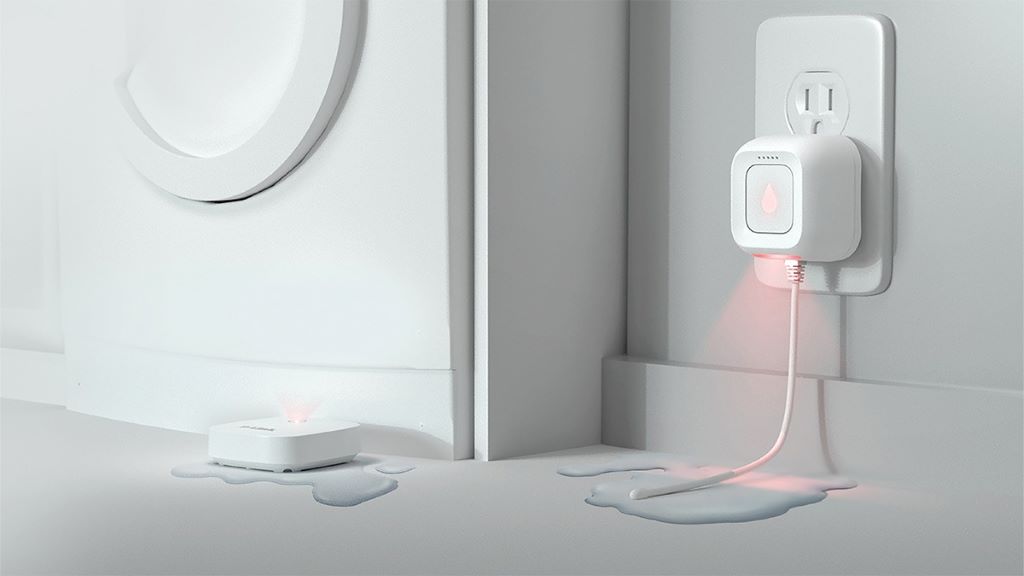
Smart water sensors represent the most popular category of residential leak detectors. These WiFi-enabled devices send instant alerts to your smartphone when they detect moisture. Many models include temperature and humidity monitoring, providing comprehensive environmental data about your home’s most vulnerable areas.
Premium smart sensors offer features like extended battery life, multiple alert methods, and integration with home automation systems. Some models can even distinguish between different types of water exposure, reducing false alarms from temporary humidity spikes.
Whole-House Water Monitoring Systems
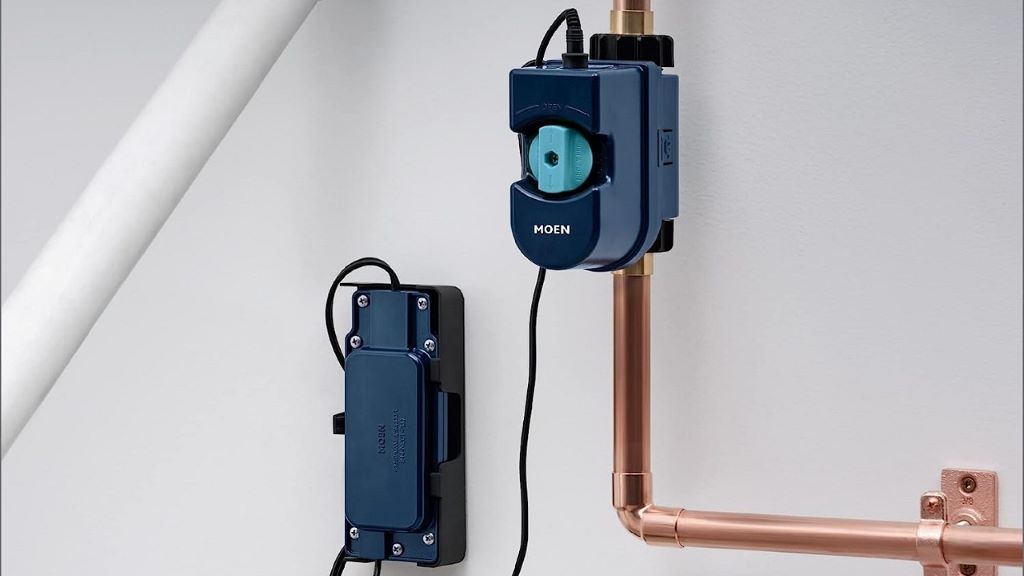
Whole-house leak detection systems install directly onto your main water line and monitor your entire home’s water usage. These systems learn your household’s typical water consumption patterns and can identify unusual activity that might indicate a leak.
Advanced whole-house systems can automatically shut off your home’s water supply when they detect a major leak, preventing extensive water damage even when you’re away. While more expensive than individual sensors, these systems provide comprehensive protection for your entire property.
Flood Sensors and Water Alarms
Basic flood sensors and water alarms offer affordable entry-level protection. These devices typically use simple conductivity sensors to detect standing water and emit loud alarms when activated. While they lack smart features, they’re reliable, inexpensive, and don’t require WiFi connectivity.
Key Features to Consider
When selecting a water leak detector for your home, several important features deserve consideration. Battery life directly impacts reliability, with the best devices offering 2-5 years of operation on a single set of batteries. Look for models with low-battery alerts to ensure continuous protection.
Connectivity options vary significantly between models. WiFi-enabled detectors can send smartphone alerts and integrate with smart home systems, while basic models rely on local alarms. Consider your home’s layout and your preference for remote monitoring when choosing connectivity features.
Alert methods range from simple beeping sounds to comprehensive notification systems including smartphone apps, email alerts, and even professional monitoring services. Multiple alert methods ensure you’ll be notified regardless of your location or device preferences.
Installation and Placement Strategy
Proper placement is crucial for effective water leak detection. Install sensors in high-risk areas including beneath sinks, behind toilets, near water heaters, around washing machines, and in basements or crawl spaces. For homes with multiple levels, place sensors near any plumbing fixtures on upper floors where leaks could cause damage to lower levels.
Most residential water leak detectors require minimal installation. Battery-powered sensors simply need placement in appropriate locations, while smart devices may require initial WiFi setup. Whole-house systems typically require professional installation by a licensed plumber.
Consider your home’s unique vulnerabilities when developing a placement strategy. Older homes with aging plumbing may benefit from additional sensors, while newer constructions might focus on high-traffic areas and major appliances.
Cost Analysis and Value Proposition
Water leak detectors range from $20 for basic models to over $500 for sophisticated whole-house systems. While the initial investment might seem significant, consider that the average water damage claim exceeds $7,000, according to industry data.
Basic water sensors typically cost $25-75 each, making them an affordable option for protecting specific areas. Smart sensors with WiFi connectivity and smartphone alerts range from $50-150 per unit. Whole-house monitoring systems represent the largest investment at $300-800 but provide comprehensive protection.
The return on investment becomes clear when you consider potential damage costs. Professional water damage restoration, structural repairs, and content replacement can easily reach five figures for severe incidents. A comprehensive leak detection system pays for itself by preventing just one major water event.
Maintenance and Troubleshooting
Regular maintenance ensures reliable operation of your water leak detection system. Check battery levels quarterly and replace batteries promptly when low-battery alerts activate. Clean sensor contacts periodically to prevent false alarms from dust or debris buildup.
Test your detectors monthly by placing a small amount of water on the sensor to verify proper operation. Review alert settings and contact information regularly to ensure notifications reach the right people. For smart systems, verify WiFi connectivity and app functionality periodically.
Common troubleshooting issues include false alarms from high humidity, delayed alerts due to poor WiFi signals, and battery drain from extreme temperatures. Most problems can be resolved by adjusting placement, checking connections, or updating device firmware.
Integration with Smart Home Systems
Modern water leak detectors integrate seamlessly with popular smart home platforms including Amazon Alexa, Google Assistant, and Apple HomeKit. This integration enables voice alerts, automated responses, and coordination with other smart home devices.
Advanced integrations can trigger multiple responses to detected leaks, such as turning off smart water valves, activating dehumidifiers, or sending alerts to multiple family members. Some systems can even contact emergency services or trusted contractors automatically.
Read Also: Seasonal Maintenance Tips for Efficient HVAC Systems
Frequently Asked Questions
How long do water leak detector batteries last?
Most residential water leak detectors use lithium batteries that last 2-5 years under normal conditions. Smart sensors with WiFi connectivity may have shorter battery life due to increased power consumption, typically lasting 1-3 years.
Can water leak detectors prevent all water damage?
While leak detectors significantly reduce water damage risk, they cannot prevent all incidents. Detectors only work in areas where they’re installed and may not detect slow leaks or problems in inaccessible locations like inside walls.
Do I need professional installation?
Basic water sensors and smart detectors typically require no professional installation. However, whole-house monitoring systems that integrate with your main water line should be installed by a licensed plumber to ensure proper operation and warranty coverage.
Will my home insurance cover water leak detectors?
Some insurance companies offer discounts for homes with water leak detection systems. Check with your provider about potential premium reductions and coverage for leak detection devices.
How many detectors do I need?
The number of detectors depends on your home’s size and layout. Most experts recommend one detector per high-risk area, including bathrooms, kitchens, laundry rooms, and basements. A typical home might need 5-10 detectors for comprehensive coverage.
Take Action to Protect Your Home Today
Water damage remains one of the most common and costly homeowner disasters, but it’s also one of the most preventable. Investing in a comprehensive water leak detection system provides peace of mind and protects your most valuable asset – your home.
Start by assessing your home’s unique vulnerabilities and identifying high-risk areas that need monitoring. Consider your budget, technical preferences, and desired features when selecting appropriate detectors. Remember that even basic water sensors provide valuable protection at minimal cost.
Don’t wait for a disaster to strike. Take action today to protect your home with a reliable water leak detection system. Your future self will thank you for the foresight to prevent what could be a devastating and expensive water damage event. Browse our recommended water leak detectors and start building your home’s defense system against water damage now.
Read More: Smart Home Hacks for Easy Maintenance: Let Technology Do the Work!