


Fasteners hold your roof together. These small but mighty components secure shingles, metal panels, and underlayment to your roof deck. However, when fasteners corrode, they compromise the entire roofing system. Understanding how to prevent fastener corrosion during roof replacement can save you thousands of dollars in future repairs and extend your roof’s lifespan significantly.
Why Fastener Corrosion Matters
Corroded fasteners weaken over time. They lose their holding power and create entry points for water. Additionally, rust stains can bleed through roofing materials and damage your home’s appearance. Therefore, selecting the right fasteners and using proper installation techniques becomes essential for long-term roof performance.
Most homeowners never think about the fasteners holding their roof in place. Nevertheless, these components face constant exposure to moisture, temperature fluctuations, and atmospheric pollutants. Consequently, choosing corrosion-resistant materials from the start proves far more cost-effective than dealing with premature roof failure.
Understanding Corrosion in Roofing Fasteners
Corrosion occurs when metal reacts with its environment. Oxygen, moisture, and certain chemicals trigger this process. Furthermore, different metals corrode at different rates depending on their composition and protective coatings.
Galvanic corrosion presents a particularly troublesome issue. This happens when two dissimilar metals come into contact in the presence of an electrolyte like rainwater. The more reactive metal corrodes faster than it would on its own. For instance, using steel fasteners with aluminum flashing accelerates corrosion in coastal environments.
Environmental factors also play a significant role. Salt air near oceans speeds up corrosion dramatically. Similarly, industrial pollution and acid rain create hostile conditions for metal fasteners. Therefore, your geographic location should influence your fastener selection strategy.
Choosing the Right Fastener Materials
Stainless steel fasteners offer excellent corrosion resistance. They contain chromium, which forms a protective oxide layer on the surface. However, not all stainless steel grades perform equally. Type 304 stainless steel works well for most applications, while Type 316 provides superior resistance in harsh coastal environments.
Hot-dipped galvanized fasteners provide another reliable option. The zinc coating protects the underlying steel through both barrier protection and sacrificial corrosion. When the zinc corrodes, it prevents the steel beneath from rusting. Moreover, these fasteners cost less than stainless steel while still offering substantial protection.
Copper fasteners excel in certain applications, particularly with copper roofing systems. They resist corrosion naturally and eliminate galvanic corrosion concerns when paired with copper materials. Nevertheless, copper fasteners come with a higher price tag and require careful handling during installation.
Polymer-coated fasteners combine affordability with enhanced protection. The coating acts as a barrier between the metal and corrosive elements. Additionally, colored coatings can match your roofing material for improved aesthetics.
Installation Practices That Prevent Corrosion
Proper installation techniques extend fastener life significantly. Overdriving fasteners breaks protective coatings and exposes bare metal to the elements. Conversely, underdriving leaves gaps where moisture can accumulate. Therefore, installers must achieve the correct depth consistently.
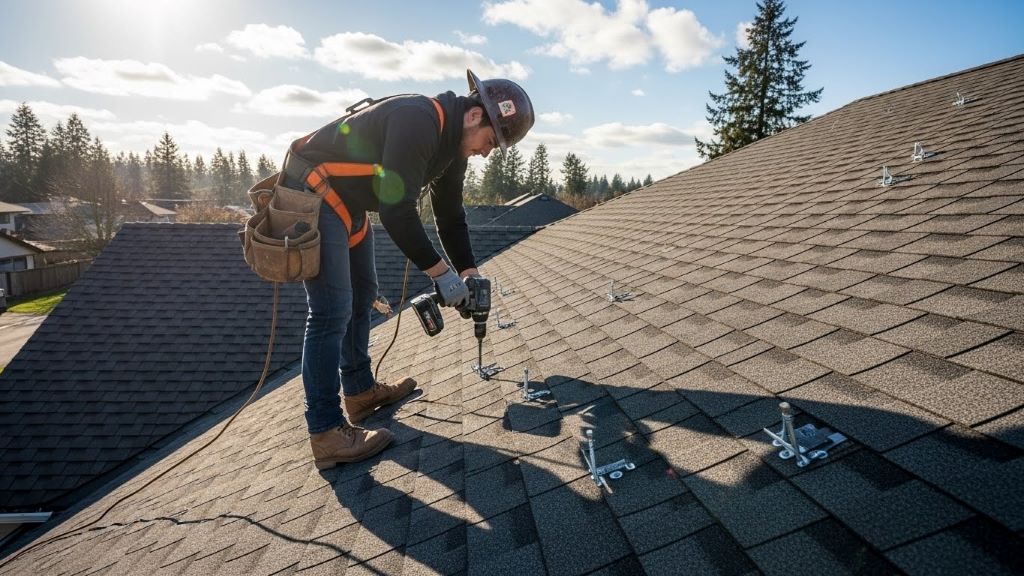
Using a torque-controlled drill ensures uniform installation. This tool prevents both overdriving and underdriving while speeding up the installation process. Furthermore, it reduces installer fatigue and improves overall quality.
Avoiding metal mixing prevents galvanic corrosion. Match your fasteners to your roofing materials whenever possible. If you must use dissimilar metals, consider using isolation washers or gaskets to prevent direct contact. Additionally, consult compatibility charts provided by manufacturers.
Sealing fastener penetrations adds another layer of protection. High-quality sealants prevent water from reaching the fastener shaft. However, choose sealants compatible with both your roofing material and fastener coating to avoid chemical reactions that could accelerate corrosion.
Climate Considerations for Fastener Selection
Coastal regions demand the most corrosion-resistant fasteners available. Salt spray and high humidity create extremely corrosive conditions. Therefore, Type 316 stainless steel or heavily galvanized fasteners become necessary investments in these areas. According to research from This Old House, proper fastener selection can make the difference between a 20-year roof and a 50-year roof in harsh environments.
Desert climates present different challenges. Extreme temperature swings cause expansion and contraction that can work fasteners loose over time. Additionally, dust storms can abrade protective coatings. Consequently, fasteners with durable coatings and proper installation depth prove critical.
Northern climates with freeze-thaw cycles need fasteners that withstand repeated moisture exposure. Ice dams can trap water around fastener penetrations for extended periods. Furthermore, the combination of road salt in the air and snow accumulation creates mildly corrosive conditions.
Humid subtropical regions experience constant moisture without the salt spray of coastal areas. Nevertheless, the persistent humidity promotes rust formation. Therefore, galvanized or stainless steel fasteners remain the best choices for these climates.
Maintenance Strategies to Minimize Corrosion
Regular roof inspections help catch corrosion early. Check fasteners during your annual roof inspection, particularly around roof edges and penetrations where moisture exposure is greatest. Additionally, look for rust stains that indicate fastener degradation.
Cleaning your roof removes corrosive materials before they cause damage. Leaves, debris, and organic matter trap moisture against fasteners. Moreover, some organic compounds accelerate metal corrosion. Therefore, keeping your roof clean extends fastener life.
Addressing drainage issues prevents prolonged moisture exposure. Standing water on your roof creates ideal conditions for corrosion. Consequently, ensuring proper slope and clearing blocked gutters protects your fasteners.
Applying protective coatings can extend fastener life. Some homeowners choose to apply additional rust-inhibiting products during maintenance. However, consult with roofing professionals before applying any coatings to ensure compatibility with your roofing system.
Cost-Benefit Analysis of Premium Fasteners
Premium corrosion-resistant fasteners cost more upfront. Stainless steel fasteners might cost three to five times more than basic galvanized options. Nevertheless, this represents a small fraction of your total roof replacement cost.
Consider the long-term savings. Replacing a roof prematurely due to fastener failure costs far more than investing in quality fasteners initially. Furthermore, some premium fasteners come with warranties that provide additional peace of mind.
Calculate the cost per year of roof life. A roof that lasts 50 years instead of 25 years effectively cuts your annual roofing cost in half. Additionally, you avoid the inconvenience and disruption of premature roof replacement.
Insurance considerations also matter. Some insurance companies offer discounts for roofs installed with premium materials and proper techniques. Therefore, discuss fastener choices with your insurance agent during roof replacement planning.
Working With Contractors on Fastener Selection
Not all roofing contractors prioritize fastener quality. Some focus on minimizing material costs to increase profit margins. Consequently, homeowners must educate themselves and ask specific questions about fastener specifications.
Request detailed material lists before signing contracts. The list should specify fastener material, coating type, and grade. Additionally, verify that specifications match manufacturer recommendations for your roofing material and climate.
Ask about installation procedures and quality control measures. Contractors should explain how they ensure proper fastener depth and prevent overdriving. Furthermore, they should describe their approach to preventing metal mixing and sealing penetrations.
Consider working with certified installers. Many roofing material manufacturers offer certification programs that include training on proper fastener selection and installation. These certifications indicate a contractor’s commitment to quality installation practices.
Future-Proofing Your Roof Investment
Building codes continue evolving toward more durable construction standards. Many jurisdictions now require corrosion-resistant fasteners in certain applications. Therefore, exceeding minimum requirements today protects you from potential issues if codes change before your next roof replacement.
Climate change considerations also influence fastener selection. Increasing storm intensity and changing weather patterns may expose your roof to more severe conditions than historically typical for your area. Consequently, choosing fasteners rated for harsher conditions provides additional resilience.
Resale value benefits from quality construction. Home inspectors increasingly examine fastener quality during pre-sale inspections. Furthermore, buyers appreciate documentation showing that premium materials were used throughout the home.
Conclusion
Preventing fastener corrosion during roof replacement requires thoughtful material selection and proper installation techniques. By choosing corrosion-resistant fasteners appropriate for your climate, ensuring professional installation, and maintaining your roof regularly, you protect your investment for decades to come. While premium fasteners cost more initially, they deliver substantial long-term value through extended roof life and reduced maintenance needs. Working with knowledgeable contractors and prioritizing quality over short-term savings ensures your roof performs reliably through changing weather conditions and environmental challenges.
Frequently Asked Questions
What type of fastener is most corrosion-resistant for coastal roofs?
Type 316 stainless steel fasteners offer the best corrosion resistance for coastal environments. They contain additional molybdenum that provides superior protection against salt spray and marine atmospheres. While more expensive than other options, they significantly outlast standard galvanized fasteners in harsh coastal conditions.
How often should I inspect my roof fasteners for corrosion?
Inspect your roof fasteners annually as part of routine roof maintenance. Additionally, check fasteners after severe weather events and in areas with known moisture issues. Early detection of corrosion allows for targeted repairs before widespread damage occurs.
Can I use different metal fasteners on the same roof?
Mixing different metal fasteners on one roof is generally not recommended due to galvanic corrosion risks. If you must use different metals, ensure they are separated by non-conductive materials or are far enough apart to prevent galvanic reactions. Consult with a roofing professional about compatibility before mixing fastener types.
How much more do corrosion-resistant fasteners cost?
Corrosion-resistant fasteners typically add 2-5% to your total roof replacement cost. Stainless steel fasteners cost approximately three to five times more than basic galvanized options, but this represents a minor investment compared to the total project cost and potential future savings.
What are signs that my roof fasteners are corroding?
Common signs include rust stains on roofing materials, loose or raised shingles, visible rust on exposed fastener heads, and water stains on interior ceilings near fastener locations. Additionally, popped nails and deteriorating sealant around fasteners indicate potential corrosion issues requiring professional evaluation.
Related Topics:
Top Benefits of Metal Roofing for Homeowners and Businesses
How to Install Roll Roofing: A Comprehensive Step-by-Step Guide