
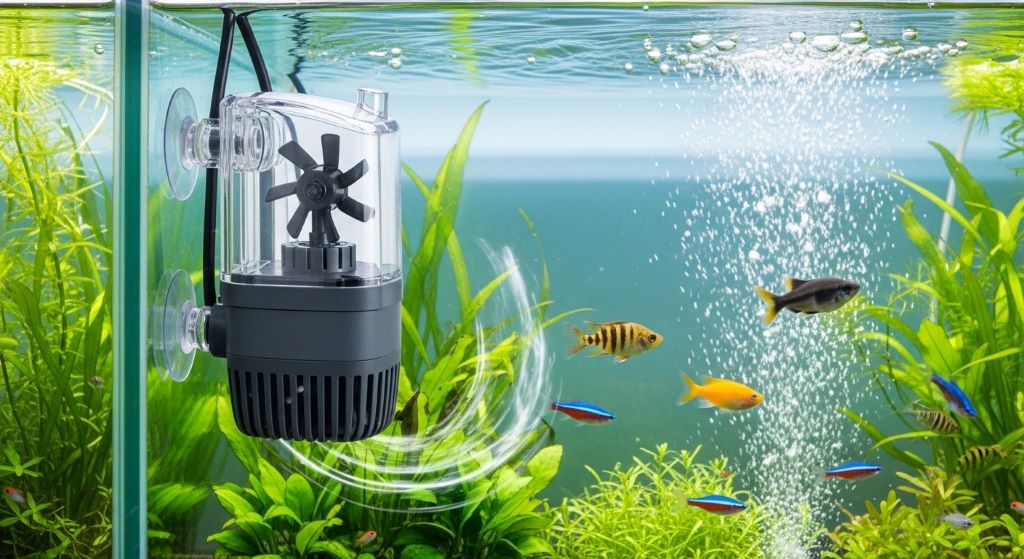

Setting up an aquarium involves many decisions that affect both your fish and your maintenance routine. One of the most important choices you’ll make is selecting the right pump for your tank. Water circulation keeps your aquatic environment healthy, and the type of pump you choose impacts everything from water quality to noise levels.
Understanding the differences between pump types helps you make an informed decision. Each option has distinct advantages and limitations that suit different situations. This guide will walk you through everything you need to know about choosing the perfect pump for your aquarium setup.
Understanding How Aquarium Pumps Work
Aquarium pumps serve as the heart of your tank’s filtration system. They move water through filters, create circulation, and help maintain oxygen levels. Without proper water movement, waste accumulates, oxygen depletes, and your fish suffer.
These devices work by using an impeller, which is essentially a small propeller that spins rapidly. As the impeller rotates, it pulls water in and pushes it out, creating flow. The motor powers this impeller, and different pump designs place this motor in different locations.
The placement of the motor determines whether a pump is submersible or external. This seemingly simple difference creates significant variations in performance, maintenance requirements, and suitability for different tank sizes.
What Makes Submersible Pumps Unique
Submersible pumps, as the name suggests, operate entirely underwater inside your aquarium. The motor is sealed in a waterproof housing that protects it from water damage. You simply place these pumps directly in your tank, usually hidden behind decorations or in a filtration chamber.
These pumps excel at certain tasks because of their design. Water surrounds the motor, which helps cool it during operation. This cooling effect allows many submersible models to run continuously without overheating. The water also acts as a natural sound dampener, making these pumps quieter than their external counterparts.
Installation is remarkably straightforward with submersible models. You don’t need to drill holes in your tank or set up external plumbing. Just place the pump where you want it, attach any necessary tubing, and plug it in. This simplicity makes them popular among beginners.
However, submersible pumps do have limitations. They take up valuable space inside your tank, which matters more in smaller aquariums. The heat from the motor, although minimal, does transfer into your water. In warm climates or during summer months, this can raise water temperature slightly.
Maintenance requires you to reach into your tank to access the pump. You’ll need to remove it periodically for cleaning, which means getting your hands wet and potentially disturbing your fish. Additionally, if a submersible pump fails, there’s a risk of electrical issues in your water.
How External Pumps Differ
External pumps sit outside your aquarium, typically in a cabinet beneath the tank or in a nearby equipment area. These pumps connect to your tank through intake and return lines, moving water out of the tank, through the pump, and back again.
The main advantage of external placement is power. Without the space constraints of fitting inside a tank, external pumps can house larger, more powerful motors. This makes them ideal for big aquariums or systems requiring high flow rates.
Heat management works differently with external models. Since the motor sits outside your tank, it doesn’t add warmth to your water. This becomes particularly valuable in tropical climates or for fish species that need cooler water temperatures.
These pumps also offer easier maintenance access. You can clean, repair, or replace them without disturbing your aquarium inhabitants. Simply turn off the pump, perform your maintenance, and restart it when finished.
Nevertheless, external pumps come with their own challenges. Installation is more complex, often requiring drilling holes in your tank or cabinet for plumbing connections. You’ll need to ensure proper sealing to prevent leaks. The pump also requires dedicated space outside your tank, which might be limited in smaller living spaces.
Noise can be an issue with external pumps. Without water to muffle the sound, the motor hum and water flow can be audible. Placing the pump on vibration-dampening material and ensuring proper installation helps minimize this problem.
Comparing Power and Performance
When evaluating the submersible vs external pump debate, power output plays a crucial role. External pumps generally deliver higher flow rates and can handle larger volumes of water. They’re the go-to choice for aquariums over 100 gallons or complex systems with sumps and multiple filtration stages.
Submersible pumps work beautifully for smaller to medium-sized tanks. A mini water pump can efficiently circulate water in tanks up to 75 gallons, depending on the specific model. These compact devices provide adequate flow for most home aquariums without overwhelming your fish with excessive current.
Energy efficiency varies between models rather than types. Modern pumps of both varieties have become increasingly efficient. However, external pumps running at lower power settings often consume less electricity than submersible pumps working at maximum capacity for the same flow rate.
Consider your tank’s specific needs when evaluating performance. Reef tanks need strong, turbulent flow to mimic ocean conditions. Planted tanks benefit from gentler circulation that doesn’t uproot delicate plants. Betta tanks require minimal current since these fish prefer calm water.
Size Considerations for Your Tank
Tank size dramatically influences which pump type works best. Small aquariums under 20 gallons typically pair well with submersible options. These compact pumps don’t overwhelm limited space, and the installation simplicity matters more when working in tight quarters.
Medium-sized tanks between 20 and 75 gallons can use either type successfully. Your choice depends more on personal preference and specific requirements. If you value simplicity and quiet operation, lean toward submersible. If you need maximum power and easier maintenance, external might suit you better.
Large aquariums exceeding 75 gallons generally benefit from external pumps. The increased power capacity ensures adequate circulation throughout the entire volume. Multiple smaller submersible pumps could accomplish the same goal, but a single powerful external pump often provides a cleaner, more efficient solution.
Installation Requirements and Complexity
Setting up a submersible pump takes minimal time and expertise. Place it in your desired location, secure it with suction cups if needed, connect any tubing, and plug it in. Most aquarists can complete this process in under 15 minutes.
External pump installation demands more planning and skill. You’ll need to create water-tight connections between your tank and the pump. This often involves drilling holes for bulkhead fittings, installing check valves to prevent backflow, and carefully routing plumbing.
Additionally, external setups require priming before first use. You must fill the pump and lines with water to remove air pockets. This process can be tricky for newcomers, though it becomes routine with experience.
Think about your comfort level with DIY projects. If you enjoy tinkering and problem-solving, external pump installation can be rewarding. If you prefer plug-and-play simplicity, submersible pumps eliminate complexity.
Maintenance and Longevity
All aquarium pumps need regular maintenance to function properly. Algae, debris, and mineral deposits accumulate on impellers and in housing, reducing efficiency over time. Cleaning frequency depends on your tank conditions, but most pumps benefit from monthly attention.
Servicing a submersible pump means reaching into your aquarium, unplugging the unit, removing it from the water, and disassembling it for cleaning. This process disrupts your tank environment slightly. However, the cleaning itself is straightforward since these pumps have fewer parts.
External pumps offer easier physical access but involve more components to maintain. You’ll clean the pump itself plus all associated plumbing and fittings. Check valves need periodic replacement, and union fittings require occasional tightening to prevent leaks.
Lifespan varies based on quality and usage rather than pump type. Well-maintained pumps of either variety can last five years or more. Cheap models might fail within a year. Investing in quality pays off through reduced replacement costs and fewer headaches.
Noise Levels and Living Space
Sound considerations matter, especially if your aquarium sits in a bedroom or living area where quiet is important. Submersible pumps enjoy a natural advantage here. The water surrounding them absorbs vibration and muffles motor noise effectively.
External pumps produce more audible sound. The motor hum, water gurgling through pipes, and vibration transfer through mounting surfaces all contribute to noise. However, proper installation techniques dramatically reduce these sounds.
Placing external pumps on foam pads or rubber feet prevents vibration transfer. Flexible plumbing connections instead of rigid pipes minimize sound transmission. Some aquarists build small enclosures around external pumps for additional sound dampening.
Consider where your tank is located and how much noise you’ll tolerate. A mini water pump running quietly inside your tank might be preferable to an external unit humming in your living room, even if the external pump offers better performance.
Cost Analysis and Budget Planning
Initial purchase price represents just one aspect of total cost. Submersible pumps typically cost less upfront, with quality models ranging from 20 to 150 dollars depending on size and features. Their simple design means fewer components and lower manufacturing costs.
External pumps generally command higher prices, often starting around 100 dollars and reaching several hundred for high-end models. You’ll also need to budget for additional plumbing components, bulkhead fittings, and installation materials.
Operating costs depend on energy consumption. Check the wattage rating when comparing models. A pump running 24/7 significantly impacts your electricity bill. More efficient pumps cost more initially but save money over time through reduced energy use.
Factor in maintenance costs too. Replacement parts for either type remain relatively inexpensive. However, if an external pump fails and causes a leak, water damage repairs could far exceed pump costs. Quality installation and regular inspections prevent such scenarios.
Special Applications and Unique Needs
Certain aquarium setups work better with specific pump types. Sump systems almost always use external pumps. The sump sits below the display tank, and an external pump returns water from the sump back to the tank. Trying to accomplish this with a submersible pump creates awkward plumbing challenges.
Reef aquariums often combine both pump types. A powerful external pump handles main circulation and return from the sump, while smaller submersible pumps create additional flow patterns for coral health. This hybrid approach maximizes benefits from each type.
Ponds and outdoor water features typically employ submersible pumps. These environments expose equipment to weather, debris, and temperature fluctuations. Submersible designs handle these challenges better than external pumps, which require protection from the elements.
Breeding tanks or quarantine setups benefit from simple submersible pumps. These temporary installations don’t justify complex external plumbing. A small, inexpensive submersible unit provides adequate circulation without major investment.
Making Your Decision
Choosing between pump types ultimately depends on your specific situation. Consider tank size first. Smaller aquariums under 40 gallons usually work best with submersible options. Larger systems over 75 gallons often need external pump power.
Think about your technical skills and installation preferences. Confident DIY enthusiasts might enjoy the challenge of external pump setup. Those wanting simplicity should stick with submersible models.
Evaluate your noise tolerance and tank location. Bedroom aquariums demand quiet operation, favoring submersible pumps. Tanks in basements or dedicated fish rooms can accommodate noisier external units without issue.
Budget constraints matter too. If funds are tight, submersible pumps offer adequate performance at lower costs. When money allows for premium equipment, external pumps provide enhanced capabilities and easier maintenance.
Future expansion plans should influence your choice as well. If you might upgrade to a larger tank later, investing in an appropriately sized external pump now could serve you through the transition. Conversely, if this tank represents your final setup, buy specifically for current needs.
Environmental Factors to Consider
Water temperature requirements affect pump selection. Fish from cooler climates struggle when water temperatures rise. If you keep species like goldfish or hill stream loaches, the heat output from submersible pumps might be problematic. External pumps eliminate this concern.
Conversely, tropical species often benefit from the slight warmth submersible pumps add. This can reduce heater usage slightly, though the effect is minimal. Don’t rely on pump heat as your primary warming method.
Room temperature where external pumps sit also matters. Very hot equipment rooms can cause external pumps to overheat. Ensure adequate ventilation around external units, especially during summer months.
Humidity affects external pumps more than submersible ones. Damp environments can cause electrical issues with exposed motors and connections. If your pump location stays humid, sealed submersible designs offer better protection.
Reliability and Backup Planning
Every aquarium keeper should plan for equipment failure. Pumps eventually break, often at inconvenient times. Understanding reliability differences helps you prepare appropriately.
Submersible pumps face constant water exposure, which can accelerate wear on seals and motor components. Salt creep in marine tanks is particularly harsh on these units. However, their simple construction means fewer points of potential failure.
External pumps avoid water exposure issues but have more complex plumbing that can leak or clog. Impeller jams happen with both types but are often easier to fix in external models since you don’t need to disturb your tank.
Having a backup pump makes sense regardless of which type you choose. A spare submersible pump costs little and can keep your tank running if your main pump fails. This redundancy provides peace of mind, especially for expensive fish or delicate reef systems.
Conclusion
Selecting the right pump for your aquarium requires balancing multiple factors. Submersible pumps offer simplicity, quiet operation, and lower costs, making them ideal for smaller tanks and beginners. External pumps provide more power, easier maintenance, and better heat management for larger or more complex systems.
Neither option is universally superior. The submersible vs external pump decision depends on your specific needs, tank size, budget, and personal preferences. Small to medium tanks under 75 gallons usually perform well with quality submersible models. Larger aquariums and advanced setups benefit from external pump capabilities.
Consider installation complexity, noise tolerance, and maintenance preferences when making your choice. A mini water pump might perfectly suit your compact tank, while a powerful external unit could be essential for your reef system. Think about long-term costs beyond initial purchase price, including energy consumption and replacement parts.
Take time to assess your situation carefully. Research specific models, read reviews, and perhaps consult with experienced aquarists. The right pump keeps your fish healthy and your maintenance routine manageable. Making an informed decision now prevents frustration and extra expenses later.
Remember that you can always adjust your setup as you gain experience. Many aquarists start with submersible pumps and later upgrade to external models as their systems grow. Others discover that simple submersible units meet all their needs perfectly. Your perfect pump choice is the one that keeps your specific aquarium thriving.
Frequently Asked Questions
Can I use a submersible pump outside of water?
No, never run a submersible pump out of water. These pumps rely on water for cooling and lubrication. Operating them dry, even briefly, can damage the motor and void your warranty. If you need to test a submersible pump, always submerge it in a bucket of water first.
How much flow rate do I need for my aquarium?
A general guideline is to circulate your entire tank volume four to six times per hour. For a 50-gallon tank, this means a pump rated at 200 to 300 gallons per hour. Reef tanks often need higher flow rates, while planted tanks may require gentler circulation. Always consider your specific inhabitants’ needs.
Will an external pump work if placed below the water level?
Yes, external pumps can be positioned below water level, which is actually the most common setup for sump systems. However, you’ll need a check valve to prevent water from siphoning back through the pump when it’s turned off. Proper installation is essential to prevent flooding.
How often should I clean my aquarium pump?
Most pumps benefit from cleaning every four to six weeks, though this varies based on tank conditions. If you notice reduced flow, unusual noise, or vibration, clean your pump immediately. Heavily stocked tanks or those with lots of debris may require more frequent maintenance. Regular cleaning extends pump life significantly.
Can I connect multiple pumps to one aquarium?
Absolutely. Many aquarists use multiple pumps to create varied flow patterns or provide redundancy. You might use an external pump for main filtration and add submersible pumps for additional circulation. Just ensure total flow doesn’t stress your fish. Observe their behavior and adjust accordingly if they struggle to swim against the current.
Related Topics:
Swansea’s Guide to Stress-Free Boiler Repairs: Stay Warm All Year Round
Phoenix Pipes Unplugged: Sizzling Solutions for Clog-Free Drains