
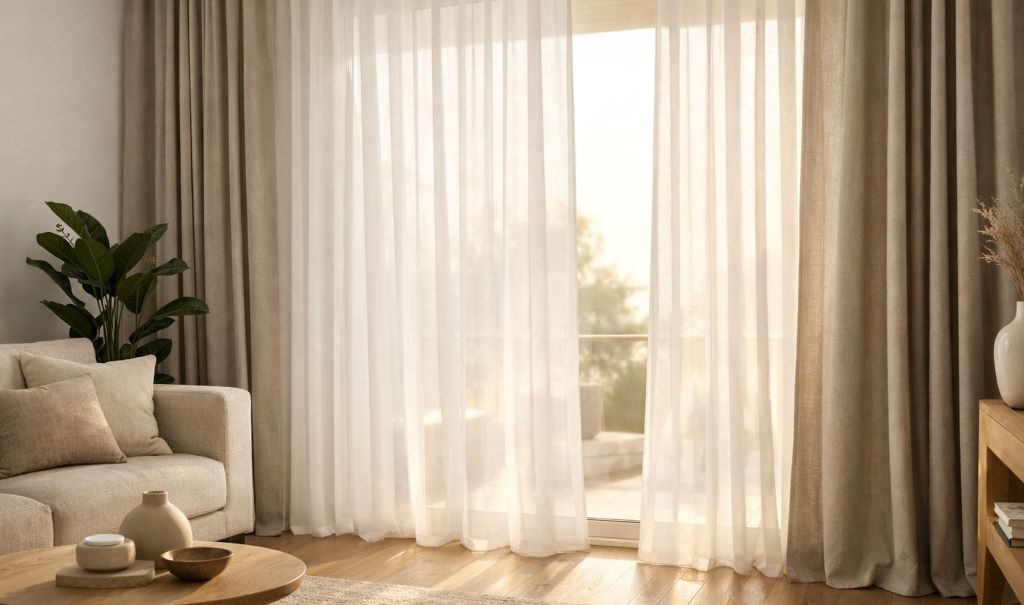

The right curtain fabric can define the ambiance of a room. In 2026, balancing aesthetics and practicality is key to creating a space that is both beautiful and functional. A well-chosen curtain fabric guide can help you navigate the vast array of materials, ensuring your window treatments complement your decor while meeting your specific needs.
Research shows that 85% of homeowners prioritize both style and functionality in their window treatments. This trend highlights the importance of selecting a curtain fabric guide that aligns with your vision. Additionally, interior designers agree that the right fabric can transform a room’s look and feel. Furthermore, options like linen curtains, polyester curtains, and cotton drapes offer unique benefits for different spaces and purposes.
Therefore, understanding the properties of each fabric can help you make an informed decision for your home.
Why Curtain Fabric Matters
Many people assume that all curtain fabrics serve the same purpose. However, each material has distinct characteristics that affect its appearance, durability, and functionality. The right curtain fabric guide can help you select a material that enhances your decor while providing the light control, privacy, and insulation you need.
Moreover, data from the Home Textiles Association reveals that fabric choice significantly impacts a curtain’s lifespan and performance. This statistic underscores the value of selecting materials like linen curtains, polyester curtains, or cotton drapes that align with your lifestyle and aesthetic preferences.
Additionally, the right fabric can enhance the functionality of your curtains. Whether you need light filtration, blackout capabilities, or thermal insulation, your choice of material plays a crucial role in achieving the desired effect for your window treatments.
Key Fabric Options for Curtains
When selecting the right curtain fabric for style and function, consider these popular options:
- Linen: Known for its natural texture and breathability, linen curtains offer a relaxed, casual look. This fabric allows light to filter through while providing privacy, making it ideal for living rooms and kitchens.
- Polyester: A synthetic fabric that is durable, wrinkle-resistant, and often more affordable. Polyester curtains are versatile and can mimic the appearance of more expensive materials, making them a practical choice for any room.
- Cotton: A natural fiber that is soft, breathable, and easy to maintain. Cotton drapes offer a classic, timeless look and can be used in a variety of settings, from bedrooms to dining rooms.
- Velvet: A luxurious fabric that adds richness and depth to any space. Velvet curtains are ideal for creating a dramatic, elegant look while providing excellent light control and insulation.
- Silk: A high-end fabric that offers a glossy, sophisticated appearance. Silk curtains are best for formal spaces like dining rooms or master bedrooms, where they can add a touch of opulence.

Step-by-Step Guide to Picking the Right Curtain Fabric
Step 1: Define Your Priorities
Identify what matters most to you in a set of curtains. Are you looking for light control, privacy, insulation, or decorative appeal? This assessment is the foundation of your curtain fabric guide, helping you narrow down your options.
Step 2: Consider the Room’s Purpose
Think about the function of the room where the curtains will be used. For example, bedrooms may benefit from blackout fabrics like velvet or thick polyester, while living rooms might suit lighter, more breathable options like linen curtains or cotton drapes.
Step 3: Evaluate Light Control Needs
Determine how much light you want to filter into the room. Sheer fabrics like linen allow natural light to pass through, while heavier materials like velvet or blackout polyester provide total darkness. This ensures your curtains meet your specific needs.
Step 4: Assess Privacy Requirements
Consider the level of privacy you need. Dense fabrics like velvet or thick cotton drapes offer more seclusion, while lighter materials like linen curtains provide a balance between privacy and light filtration.
Step 5: Think About Insulation
If energy efficiency is a priority, opt for thermal fabrics like velvet or thick polyester curtains. These materials can help regulate room temperature, reducing heating and cooling costs. This makes them ideal for spaces where insulation is important.
Step 6: Match the Fabric to Your Decor
Choose a fabric that complements your room’s aesthetic. Linen curtains offer a casual, natural look, while velvet or silk drapes add a touch of luxury. Polyester curtains are versatile and can adapt to various styles, making them a practical choice for any decor.
Step 7: Consider Durability and Maintenance
Evaluate the durability and ease of care for each fabric. Polyester curtains are wrinkle-resistant and easy to clean, while linen may require more maintenance. Cotton drapes are durable and machine-washable, making them a low-maintenance option.
Step 8: Test Fabric Samples
If possible, order fabric samples to see how they look and feel in your space. This allows you to assess the texture, color, and light filtration of each material before making a final decision in your curtain fabric guide.
Step 9: Read Reviews and Compare Brands
Check customer feedback to gauge the quality, durability, and overall satisfaction of different curtain fabrics. Look for reviews that mention fabric performance, ease of care, and aesthetic appeal. This research helps you make an informed decision.
Step 10: Consult a Curtain Fabric Guide
Use a curtain fabric guide to compare the pros and cons of each material. This resource can provide valuable insights into the best options for your specific needs, whether it’s linen curtains for a casual look or polyester curtains for durability.
Top Curtain Fabric Recommendations
Best for Casual Elegance: Linen Curtains
Linen curtains offer a natural, textured appearance that adds a relaxed, casual elegance to any room. This fabric is breathable and allows light to filter through, making it ideal for living rooms, kitchens, or sunrooms. Linen is also eco-friendly and durable, ensuring long-lasting style.
Pros:
- Natural, textured look for casual elegance
- Breathable and allows light filtration
- Eco-friendly and durable
Cons:
- May wrinkle easily
Best for Versatility: Polyester Curtains
Polyester curtains are a budget-friendly, versatile option for any room. This synthetic fabric is durable, wrinkle-resistant, and easy to maintain, making it ideal for high-traffic areas or homes with children and pets. Polyester can also mimic the appearance of more expensive materials.
Pros:
- Durable and wrinkle-resistant
- Easy to maintain and clean
- Versatile and adaptable to various styles
Cons:
- May not offer the same breathability as natural fabrics
Best for Classic Style: Cotton Drapes
Cotton drapes provide a timeless, classic look that suits a variety of decor styles. This natural fabric is soft, breathable, and easy to care for, making it a practical choice for bedrooms, dining rooms, or living rooms. Cotton can also be dyed in a wide range of colors and patterns.
Pros:
- Soft, breathable, and easy to maintain
- Timeless, classic appearance
- Wide range of colors and patterns
Cons:
- May shrink if not pre-washed
Best for Luxury: Velvet Curtains
Velvet curtains add a touch of opulence and depth to any space. This luxurious fabric provides excellent light control and insulation, making it ideal for bedrooms, home theaters, or formal living rooms. Velvet is also highly durable and can last for years with proper care.
Pros:
- Luxurious, rich appearance
- Excellent light control and insulation
- Highly durable and long-lasting
Cons:
- May be heavier and require more maintenance
Best for Formal Spaces: Silk Curtains
Silk curtains offer a glossy, sophisticated look that elevates formal spaces like dining rooms or master bedrooms. This high-end fabric adds a touch of elegance and luxury, making it a statement piece for any room. Silk curtains are best for low-traffic areas where they can be admired and preserved.
Pros:
- Glossy, sophisticated appearance
- Adds a touch of luxury and elegance
- Ideal for formal spaces
Cons:
- Requires delicate care and maintenance
Common Mistakes to Avoid
- Ignoring Room Purpose: Choosing a fabric that doesn’t suit the room’s function can lead to dissatisfaction. Always consider the purpose of the space when selecting your curtain fabric guide options.
- Overlooking Light Control: Fabrics that don’t meet your light control needs can disrupt your comfort. Opt for materials that provide the right balance of light filtration and privacy for your space.
- Neglecting Maintenance: Some fabrics require more care than others. Always consider the maintenance needs of linen curtains, polyester curtains, or cotton drapes before making a purchase.
- Skipping Fabric Samples: Not testing fabric samples can lead to mismatched expectations. Order samples to assess texture, color, and performance in your space.
- Not Reading Reviews: Customer feedback provides valuable insights into fabric quality and durability. Always read reviews to ensure you’re selecting the best option for your needs.
Benefits of Choosing the Right Curtain Fabric
Selecting the right curtain fabric for style and function offers several advantages beyond just aesthetics. The right material can enhance the ambiance of your room, creating a space that is both beautiful and functional. Additionally, fabrics like linen curtains, polyester curtains, and cotton drapes can provide practical benefits like light control, privacy, and insulation.
Moreover, the right fabric can extend the lifespan of your curtains. Durable materials like polyester or velvet can withstand regular use and maintain their appearance over time. This makes them a cost-effective investment for your home.
Furthermore, the right curtain fabric can improve your daily living experience. Whether it’s creating a cozy atmosphere in the living room or ensuring a restful night’s sleep in the bedroom, your choice of material plays a crucial role in enhancing your comfort and enjoyment.
FAQs About Curtain Fabrics
What is the best curtain fabric for style and function?
The best curtain fabric depends on your specific needs. Linen curtains offer a casual, breathable look, polyester curtains provide versatility and durability, and cotton drapes deliver a classic, timeless style. Velvet and silk are ideal for adding luxury and elegance to formal spaces.
How do I choose the right fabric for my room?
Consider the room’s purpose, light control needs, and decor style. For example, bedrooms may benefit from blackout fabrics like velvet, while living rooms might suit lighter options like linen curtains or cotton drapes. Use a curtain fabric guide to compare your options.
What are the pros and cons of linen curtains?
Linen curtains offer a natural, textured look and are breathable and eco-friendly. However, they may wrinkle easily and require more maintenance than synthetic fabrics like polyester curtains.
How do I care for different curtain fabrics?
Polyester curtains are typically machine-washable and wrinkle-resistant. Cotton drapes can also be machine-washed but may shrink if not pre-washed. Linen curtains may require ironing or steaming to remove wrinkles. Always follow the manufacturer’s care instructions for your specific fabric.
Can I mix curtain fabrics in my home?
Yes, mixing curtain fabrics can add visual interest and functionality to your space. For example, you might use linen curtains in the living room for a casual look and velvet or blackout polyester curtains in the bedroom for light control and privacy. A curtain fabric guide can help you coordinate different materials effectively.
Conclusion
Picking the right curtain fabric for style and function is about balancing aesthetics, practicality, and durability. By focusing on key factors like room purpose, light control, and maintenance, you can find the perfect material for your needs. Whether it’s linen curtains for a casual look, polyester curtains for versatility, or cotton drapes for classic style, the right fabric can transform your space. Understanding your fabric options also makes it easier to choose the best affordable curtains for sliding doors, ensuring the ideal balance of style, durability, light control, and everyday functionality.
Ready to upgrade your windows? Use a curtain fabric guide to explore your options and invest in the best materials for your home. Your decor—and your comfort—will thank you!
Featured Image Source