


Your garage door isn’t just a functional entryway; it’s a significant part of your home’s curb appeal. Whether you’re restoring a historic home with unique architectural features, building a new modern masterpiece, or simply needing to accommodate a larger vehicle or specialized equipment, a standard-sized garage door might not always fit the bill. That’s where custom garage door sizes come into play. This comprehensive guide dives deep into the world of custom garage doors, exploring the possibilities, benefits, and considerations for homeowners across the USA.
Why Go Custom?
While standard garage doors cater to the majority, sometimes you need something truly unique.
Here are some compelling reasons why homeowners choose to go custom:
- Architectural Integrity: Historic homes or those with distinctive designs often require non-standard openings. A custom garage door ensures your home’s facade remains visually harmonious. Imagine a classic Victorian home with a sleek, modern garage door – the clash would be jarring!
- Unique Vehicles: Do you own an RV, a boat, or a lifted truck? Standard garage doors might not offer enough clearance. Custom sizes ensure your prized possessions are safely tucked away.
- Maximizing Space: Perhaps you’re converting your garage into a workshop or a home gym. A custom-sized door can optimize the entryway for better access and flow.
- Enhanced Aesthetics: Beyond size, customization extends to design. You can choose unique materials, panel designs, window styles, and finishes to create a garage door that truly reflects your personal taste and complements your home’s architecture.
Understanding Garage Door Dimensions
Before diving into custom options, it’s essential to understand the basic terminology of garage door measurements:
- Width: The horizontal measurement of the garage door opening.
- Height: The vertical measurement of the garage door opening.
- Headroom: The distance between the top of the garage door opening and the ceiling.
- Sideroom: The distance between the sides of the garage door opening and the walls.
- Backroom: The depth of the garage from the opening to the back wall.
Standard garage door sizes typically range from 8 feet wide by 7 feet high for single doors to 16 feet wide by 7 feet high for double doors. However, custom sizes can go far beyond these dimensions.
Exploring Custom Size Options
The beauty of customization lies in its flexibility.
Here are some popular custom-size options:
- Oversized Doors: Ideal for larger vehicles or equipment, these doors extend beyond the standard 16-foot width. Imagine effortlessly parking your RV without any clearance concerns.
- Extra Tall Doors: Perfect for accommodating lifted trucks, vans with roof racks, or even a basketball hoop inside your garage!
- Low-Ceiling Doors: If your garage has limited headroom, a custom low-headroom track system can be designed to maximize space.
- Unequal Double Doors: Instead of two equal-sized doors, you can opt for a larger main door and a smaller auxiliary door for pedestrian access, adding a touch of architectural interest.
Chart of Common Custom Garage Door Sizes in the USA
While the possibilities are endless, here’s a chart showcasing some common custom sizes to give you a starting point:
| Door Type | Width (feet) | Height (feet) | Common Use Cases |
| Single Car | 9 – 12 | 7 – 8 | Wider cars, SUVs, small workshops |
| Double Car | 18 – 20 | 7 – 8 | Large trucks, RVs, boats |
| Extra Tall Single | 8 – 10 | 8 – 10 | Lifted trucks, vans with racks |
| Extra Tall Double | 16 – 20 | 8 – 10 | RVs, boats, high ceilings |
Export to Sheets
Note: This chart provides a general overview. Actual custom sizes can vary significantly based on individual needs and architectural constraints.
Factors Influencing Custom Garage Door Costs
Customizing your garage door naturally comes with a higher price tag than standard options.
Several factors influence the final cost:
- Size: Larger doors require more materials and labor, increasing the cost.
- Material: Premium materials like solid wood or composite materials will be more expensive than standard steel.
- Design Complexity: Intricate panel designs, window styles, and hardware choices contribute to the overall cost.
- Installation: Custom installations often require specialized expertise, potentially increasing labor costs.
- Location: Labor costs and material availability can vary depending on your geographic location within the USA.
Finding the Right Manufacturer
Choosing the right manufacturer is crucial for a successful custom garage door project.
Look for companies with:
- Extensive Experience: Seek out manufacturers with a proven track record in custom garage door fabrication and installation.
- Customization Options: Ensure the manufacturer offers a wide range of materials, designs, and hardware to meet your specific needs.
- Quality Materials and Craftsmanship: Invest in a door built to last, using high-quality materials and expert craftsmanship.
- Excellent Customer Service: A responsive and helpful customer service team can guide you through the process and address any concerns.
- Warranty and Support: Choose a manufacturer that offers a comprehensive warranty and reliable after-sales support.
The Installation Process
Proper installation is essential for the optimal performance and longevity of your custom garage door.
Here’s a simplified overview of the process:
- Precise Measurements: Accurate measurements of your garage door opening are crucial for a perfect fit.
- Frame Preparation: The existing frame might need modifications to accommodate the custom door.
- Door Assembly: The custom door sections are carefully assembled according to the specifications.
- Track Installation: The track system is installed to ensure smooth and safe door operation.
- Hardware and Automation: Handles, locks, and automatic openers are installed and tested.
- Final Adjustments and Testing: The door is fine-tuned for optimal balance, operation, and safety.
It’s highly recommended to hire experienced professionals for custom garage door installation to avoid costly mistakes and ensure safety.
Related: Keeping Your Garage Door Running Smoothly: A Guide to Maintenance Frequency
Maintenance and Care
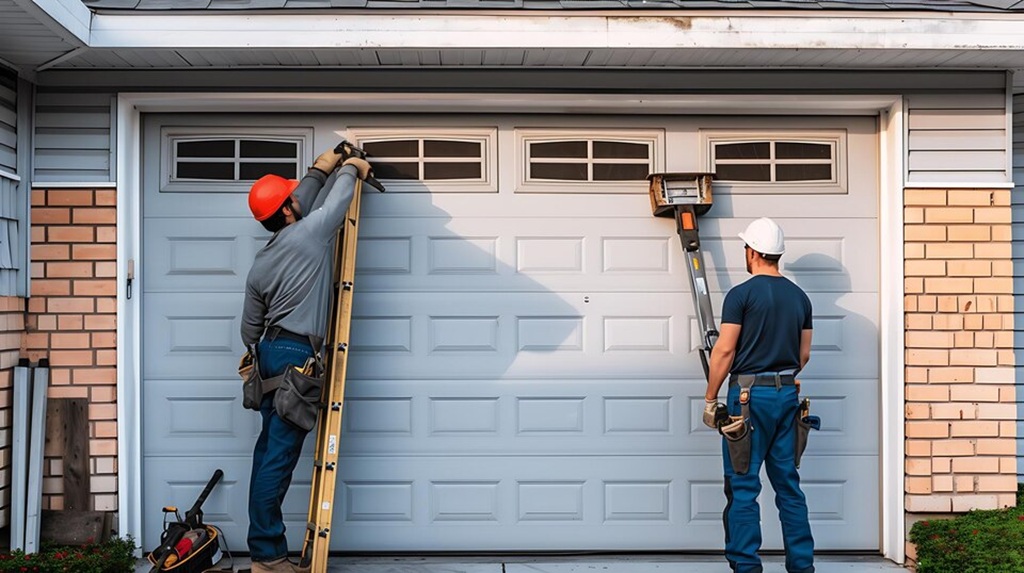
To keep your custom garage door looking its best and functioning smoothly, regular maintenance is key:
- Visual Inspection: Periodically inspect the door for any signs of wear and tear, such as damaged panels, loose hardware, or frayed cables.
- Cleaning: Wash the door with mild soap and water to remove dirt and grime.
- Lubrication: Keep the moving parts, such as hinges, rollers, and tracks, well-lubricated for smooth operation.
- Professional Servicing: Schedule annual professional maintenance to ensure all components are in good working order and address any potential issues.
FAQ about Custom Garage Door Sizes in the USA
-
Can I get a custom garage door in any size I want?
While there are practical limitations based on structural integrity and manufacturer capabilities, the possibilities are vast. Experienced manufacturers can accommodate a wide range of custom sizes to suit your needs.
-
How long does it take to get a custom garage door?
Lead times vary depending on the manufacturer, complexity of the design, and material availability. It’s best to consult with your chosen manufacturer for an estimated delivery timeframe.
-
Are custom garage doors more expensive to maintain?
Maintenance costs for custom doors are generally comparable to standard doors. However, specialized parts or repairs might incur slightly higher costs.
-
Can I automate a custom-sized garage door?
Absolutely! Most custom garage doors are compatible with standard garage door openers. Your installer can advise on the best opener for your specific door size and weight.
-
Do custom garage doors come with warranties?
Yes, reputable manufacturers offer warranties on their custom garage doors, covering materials, craftsmanship, and sometimes even installation.
-
Can I get a custom garage door with unique features like windows or insulation?
Yes, customization extends beyond size. You can choose from a variety of window styles, insulation options, and decorative hardware to personalize your door.
-
Where can I find a reliable custom garage door manufacturer in my area?
Start by searching online for “custom garage doors” in your city or state. Read customer reviews, browse their portfolios, and contact them for consultations. You can also seek recommendations from local contractors or architects.
Conclusion
A custom garage door is an investment that enhances your home’s functionality, aesthetics, and value. By understanding the possibilities, considering your needs, and choosing the right manufacturer, you can create a truly unique entryway that perfectly complements your home and lifestyle. Whether you’re seeking to accommodate a larger vehicle, enhance your curb appeal, or simply break free from standard dimensions, the world of custom garage doors offers a solution for every homeowner in the USA.