
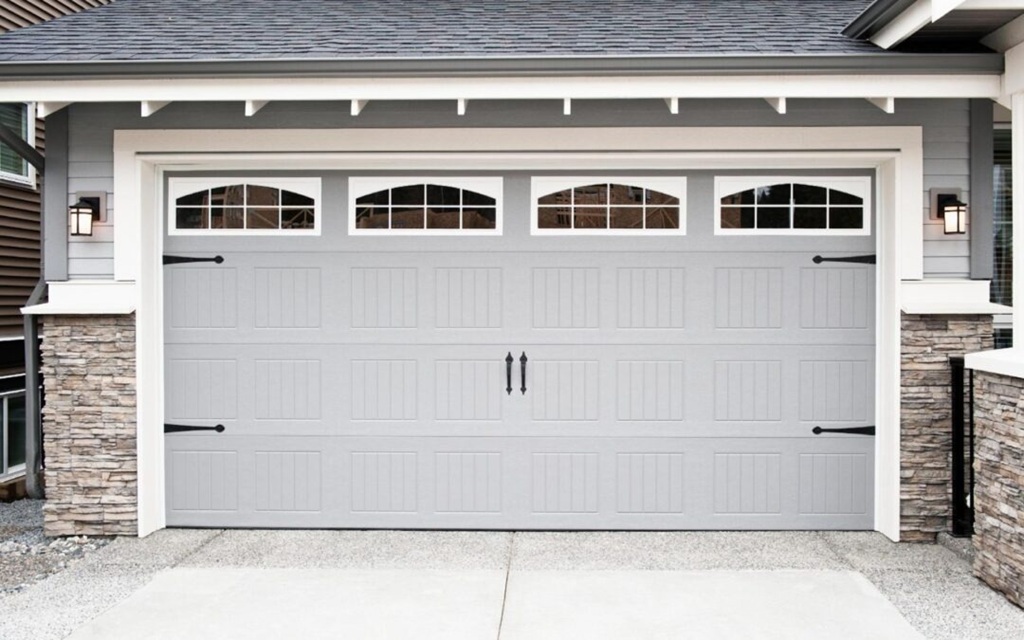

Your garage door isn’t just a functional component; it’s a significant aesthetic and protective feature of your home. Choosing the right material can dramatically impact curb appeal, energy efficiency, security, and overall lifespan. With a plethora of options available, navigating the selection process can feel overwhelming. This comprehensive guide will dissect the most popular garage door materials, providing detailed insights to empower you to make an informed decision.
-
Steel: The Workhorse of Garage Doors
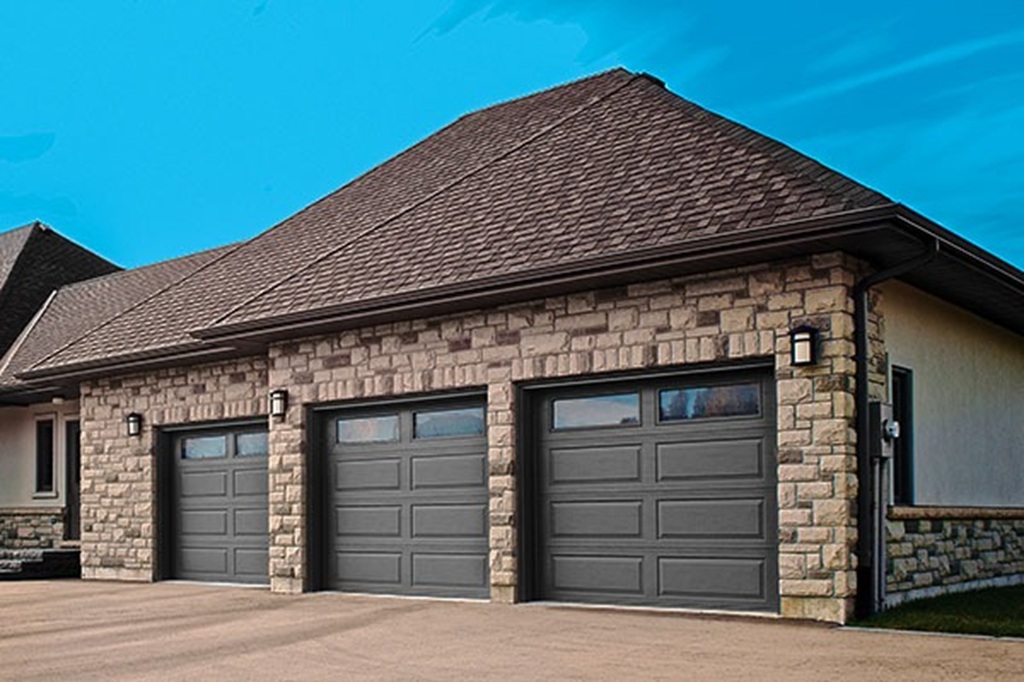
Steel garage doors are a dominant choice for homeowners seeking durability and affordability. They are manufactured from multiple layers of steel, often galvanized to prevent rust. Modern steel doors are typically offered in various gauges, with lower gauges indicating thicker, more robust steel. This translates to increased resistance to dents, dings, and weather damage.
Benefits:
- Durability: Steel withstands harsh weather conditions, including heavy rain, snow, and strong winds.
- Affordability: Steel doors offer excellent value for their price, making them a budget-friendly option.
- Low Maintenance: They require minimal upkeep, primarily occasional cleaning and lubrication.
- Security: Steel provides a strong barrier against intruders.
- Variety: Available in numerous styles, colors, and textures, including wood-grain finishes.
- Insulation Options: Steel doors can be insulated with foam to enhance energy efficiency.
Considerations:
- Rust: While galvanized steel resists rust, scratches or dents can expose the underlying metal, leading to corrosion. Annual touch-ups can help prevent this.
- Dent Susceptibility: Although more durable than other materials, thinner gauge steel can still dent upon impact.
- Thermal Conductivity: Steel conducts heat and cold, impacting garage temperature if not properly insulated.
-
Wood: Timeless Elegance and Natural Beauty
Wood garage doors exude a classic, upscale aesthetic, adding warmth and natural beauty to any home. They offer exceptional customization options, allowing for unique designs, intricate carvings, and diverse wood species.
Benefits:
- Aesthetic Appeal: Wood provides a luxurious and timeless look that enhances curb appeal.
- Customization: Extensive options for wood species, designs, and finishes, allowing for a personalized touch.
- Natural Insulation: Wood offers moderate insulation properties.
- Durability (depending on wood species): Hardwoods like cedar and redwood are naturally rot-resistant and long-lasting when properly maintained.
Considerations:
- High Maintenance: Wood requires regular painting or staining to protect against moisture, rot, and insects.
- Cost: Wood garage doors are generally more expensive than steel or aluminum.
- Weight: Wood doors are heavy, necessitating a robust and well-maintained opener.
- Environmental Impact: Sourcing sustainably harvested wood is crucial for eco-conscious homeowners.
-
Aluminum: Lightweight and Rust-Resistant
Aluminum garage doors are prized for their lightweight nature and resistance to rust and corrosion. They are an excellent choice for coastal areas with high humidity and salt exposure.
Benefits:
- Rust Resistance: Aluminum is inherently resistant to rust, making it ideal for humid climates.
- Lightweight: Lighter than steel or wood, reducing strain on the garage door opener.
- Affordability (compared to wood): Often less expensive than wood doors, though usually more than steel.
- Variety: Available in various styles and finishes, including faux wood grain.
Considerations:
- Dent Susceptibility: Aluminum is softer than steel and more prone to dents and dings.
- Insulation Limitations: Aluminum doors offer less insulation than steel or wood, though insulated versions are available.
- Flexibility: Large, unreinforced aluminum doors can flex or bend in strong winds.
-
Fiberglass: Durable and Low-Maintenance
Fiberglass garage doors are crafted from a composite material that offers exceptional durability and resistance to warping, cracking, and denting. They are an excellent choice for extreme climates.
Benefits:
- Durability: Resistant to warping, cracking, and denting, making them ideal for fluctuating temperatures.
- Low Maintenance: Requires minimal upkeep, primarily occasional cleaning.
- Rust Resistance: Fiberglass is impervious to rust and corrosion.
- Lightweight: Easier to operate than steel or wood doors.
- Variety: Available in various styles, including wood-grain textures.
Considerations:
- Cost: Fiberglass doors tend to be more expensive than steel or aluminum.
- Color Fading: Some fiberglass doors may experience color fading over time with prolonged sun exposure.
- Limited Customization: Fewer customization options compared to wood.
Read More Also: How to Choose the Right Paint Schemes for House Interiors
-
Vinyl: Affordable and Low-Maintenance
Vinyl garage doors are a budget-friendly option known for their low maintenance and resistance to rot and insects. They are a good choice for homeowners seeking a simple and durable door.
Benefits:
- Affordability: Vinyl is one of the most cost-effective garage door materials.
- Low Maintenance: Requires minimal upkeep, primarily occasional cleaning.
- Rot and Insect Resistance: Vinyl is impervious to rot and insect infestation.
- Lightweight: Easier to operate than steel or wood doors.
Considerations:
- Limited Design Options: Fewer style and color options compared to other materials.
- Temperature Sensitivity: Vinyl can become brittle in extremely cold temperatures.
- Dent Susceptibility: Although durable, vinyl can dent upon impact.
- Less Energy Efficient: Vinyl garage doors do not insulate as well as steel, or wood.
Factors to Consider When Choosing a Garage Door Material:
- Climate: Consider the climate in your region. Humid climates favor aluminum or fiberglass, while extreme temperatures might warrant insulated steel or fiberglass.
- Budget: Determine your budget and explore options that align with your financial constraints.
- Aesthetic Preferences: Choose a material that complements your home’s architectural style and enhances curb appeal.
- Maintenance Requirements: Assess your tolerance for maintenance. Wood requires the most upkeep, while vinyl and fiberglass require minimal effort.
- Energy Efficiency: If energy efficiency is a priority, opt for insulated steel or wood doors.
- Security: Steel and wood provide the most robust security.
- Durability: Understand the durability characteristics of each material and select one that aligns with your needs.
Read More Also: Herringbone Flooring: A Timeless Choice for Your Home
People Also Ask (FAQs):
Q: Which garage door material is the most durable?
A: Steel, particularly thicker gauge steel, is generally considered the most durable garage door material, withstanding harsh weather and impacts. Fiberglass is also very strong and resistant to many factors.
Q: What garage door material is best for humid climates?
A: Aluminum and fiberglass are excellent choices for humid climates due to their inherent resistance to rust and corrosion.
Q: What is the most energy-efficient garage door material?
A: Insulated steel and wood garage doors offer the best insulation properties, helping to regulate garage temperature.
Q: What garage door material requires the least maintenance?
A: Vinyl and fiberglass garage doors require minimal maintenance, primarily occasional cleaning.
Q: How do I choose the right garage door style for my home?
A: Consider your home’s architectural style. Traditional homes might benefit from wood or carriage-style doors, while modern homes may suit sleek steel or aluminum doors.
Q: Can I paint a steel or aluminum garage door?
A: Yes, steel and aluminum garage doors can be painted to match your home’s exterior. Ensure you use a high-quality exterior paint designed for metal surfaces.
Q: How often should I maintain my garage door?
A: Regular maintenance, including lubrication of moving parts and cleaning, should be performed at least annually. Wood doors require more frequent maintenance, such as repainting or restaining.
Q: What is the average lifespan of a garage door?
A: The average lifespan of a garage door is 15-30 years, depending on the material, maintenance, and usage.
Q: Are insulated garage doors worth the investment?
A: Yes, insulated garage doors can significantly enhance energy efficiency, especially in extreme climates. They can also reduce noise and improve garage temperature.
Choosing the right garage door material is a multifaceted decision that requires careful consideration of various factors. By understanding the unique characteristics of each material and evaluating your individual needs, you can select a garage door that provides lasting beauty, functionality, and value to your home.