


In the quest for a serene and focused environment, whether it’s a home studio, a bustling office, or a cozy living room, sound control reigns supreme. Acoustic panels have emerged as indispensable tools in this pursuit, but their effectiveness hinges significantly on their strategic placement. The perennial question lingers: should acoustic panels be on walls or ceilings? This article delves into the nuances of acoustic panel placement, exploring their efficacy on both surfaces, addressing soundproofing techniques, and providing a comprehensive guide to achieving optimal sound control.
Understanding the Fundamentals of Sound and Acoustics
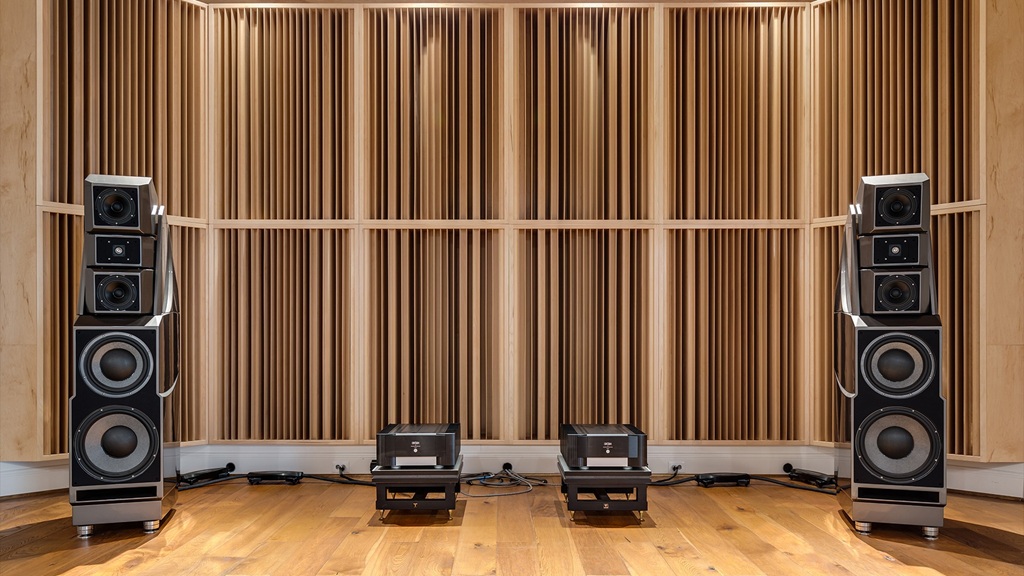
Before diving into panel placement, it’s crucial to grasp the basics of sound behavior. Sound waves propagate in all directions, reflecting off hard surfaces like walls, ceilings, and floors. These reflections, known as reverberations, can lead to a cluttered and unclear auditory experience. Acoustic panels, made from sound-absorbing materials like foam, fiberglass, or mineral wool, work by converting sound energy into heat, thus reducing reverberation and improving sound clarity.
Should Acoustic Panels Be on Walls or Ceilings? A Detailed Analysis
The answer to this question isn’t a simple “either/or.” The optimal placement depends on the specific acoustic challenges of the space and the desired outcome.
- Walls: The First Line of Defense Against Lateral Reflections
- Walls are prime targets for lateral sound reflections, which contribute significantly to echoes and reverberation. Placing acoustic panels on walls effectively tackles these reflections, improving speech intelligibility and reducing overall noise levels.
- For spaces where clarity of speech is paramount, such as conference rooms, home theaters, or recording studios, wall placement is crucial.
- The strategic placement of panels at ear level and at primary reflection points (where sound waves bounce off walls) is essential. These points can be identified by using a mirror; if you can see a speaker in the mirror from your listening position, that’s a reflection point.
- The density and thickness of the panels also play a significant role. Thicker and denser panels absorb lower frequencies more effectively, which is important for controlling bass buildup.
- Visual aesthetics of wall placement also provides a large range of creative option. You can create artistic patterns and designs with the panels, making them a functional and decorative element.
- Ceilings: Taming Vertical Reflections and Addressing Room Modes
- Ceilings play a crucial role in controlling vertical sound reflections, which can contribute to a “boomy” or “muddy” sound.
- Placing acoustic panels on the ceiling, particularly in the first reflection points above the listening position, can significantly reduce these reflections and improve overall sound clarity.
- Ceiling panels are particularly effective in controlling room modes, which are resonant frequencies that occur between parallel surfaces, such as the floor and ceiling. These modes can cause uneven bass response and create areas of excessive loudness or quietness.
- Suspended ceiling panels, also known as acoustic clouds, can be particularly effective in absorbing sound from multiple directions.
- Ceiling placement is often overlooked, but in rooms with high ceilings, it can make a dramatic difference. It also allows for a less cluttered wall appearance.
Do Acoustic Panels for Walls Work? The Science Behind Their Efficacy
The effectiveness of acoustic panels for walls is undeniable, provided they are properly installed and strategically placed.
- Acoustic panels work by absorbing sound waves, preventing them from reflecting off hard surfaces. This reduces reverberation time (RT60), which is the time it takes for sound to decay by 60 decibels.
- Lower RT60 values indicate a more controlled and less reverberant environment.
- The effectiveness of wall panels depends on their absorption coefficient, which is a measure of how much sound energy they absorb. Higher absorption coefficients indicate better sound absorption.
- The panel’s placement relative to the sound source and the listener is also crucial. Panels placed at primary reflection points will have a greater impact on sound clarity.
- The material that the panels are made of is also very important. High quality denser materials will always work better.
Do Soundproof Panels Work on Ceilings? Addressing Vertical Sound Transmission
Soundproof panels on ceilings can be effective in reducing vertical sound transmission, but it’s important to distinguish between sound absorption and soundproofing.
- Acoustic panels primarily focus on sound absorption, which reduces reverberation within a room. Soundproofing, on the other hand, aims to block sound transmission between rooms.
- While acoustic panels can contribute to some degree of soundproofing by reducing reflected sound, they are not a substitute for dedicated soundproofing materials and techniques.
- For effective soundproofing of ceilings, it’s necessary to address airborne and impact noise. Airborne noise travels through the air, while impact noise is generated by vibrations, such as footsteps or furniture movement.
- Techniques like decoupling the ceiling from the joists, adding mass to the ceiling structure, and using resilient channels can significantly improve soundproofing performance.
- Adding sound dampening materials in between joists is also very effective.
Read More Also: Comprehensive Guide to Acoustic Panels and Wall Soundproofing
How to Soundproof Walls and Ceilings: A Comprehensive Approach
Achieving optimal sound control requires a multi-faceted approach that addresses both sound absorption and soundproofing.
- Walls:
- Adding Mass: Incorporate dense materials like mass-loaded vinyl (MLV) or drywall to increase the wall’s ability to block sound transmission.
- Decoupling: Create an air gap between the existing wall and a new layer of drywall using resilient channels. This reduces vibration transmission.
- Dampening: Apply sound-dampening compounds between layers of drywall to further reduce vibration.
- Sealing Gaps: Seal any gaps or cracks in the walls with acoustic caulk to prevent sound leakage.
- Acoustic Panels: Install strategically placed acoustic panels to absorb reflected sound and reduce reverberation.
- Ceilings:
- Decoupling: Suspend a new ceiling using resilient channels or isolation hangers to decouple it from the joists.
- Adding Mass: Add a layer of drywall or MLV to the ceiling to increase its mass and block sound transmission.
- Dampening: Apply sound-dampening compounds between layers of ceiling material.
- Filling Cavities: Fill the cavities between the joists with sound-absorbing insulation, such as mineral wool or fiberglass.
- Acoustic Clouds: Install suspended acoustic clouds to absorb reflected sound and reduce reverberation.
- Floors:
- Underlayment: Install sound-absorbing underlayment beneath flooring materials to reduce impact noise.
- Floating Floors: Consider installing a floating floor system, which creates an air gap between the flooring and the subfloor, reducing vibration transmission.
- Rugs and Carpets: Use rugs and carpets to absorb sound and reduce impact noise.
Read More Also: Choosing the Right Garage Door Material for Your Home: A Comprehensive Guide
People Also Ask (FAQs)
-
Q: How many acoustic panels do I need?
- A: The number of panels depends on the size of the room and the desired level of sound control. A general guideline is to cover 20-30% of the wall and ceiling surfaces with acoustic panels.
-
Q: What is the best material for acoustic panels?
- A: Common materials include foam, fiberglass, and mineral wool. Fiberglass and mineral wool are generally considered more effective for broadband sound absorption.
-
Q: Can I use acoustic panels in a noisy office?
- A: Yes, acoustic panels can significantly reduce noise levels in offices, improving speech intelligibility and creating a more comfortable work environment.
-
Q: Are foam panels effective for soundproofing?
- A: Foam panels are primarily designed for sound absorption, not soundproofing. While they can reduce reverberation, they are not effective at blocking sound transmission between rooms.
-
Q: How do I install acoustic panels?
- A: Acoustic panels can be installed using adhesive, mounting clips, or impaling clips. The installation method will depend on the type of panel and the surface it is being attached to.
Conclusion: Achieving Sonic Harmony Through Strategic Placement
Mastering acoustic panel placement is a nuanced art that requires a deep understanding of sound behavior and a tailored approach to each unique space. Whether you opt for wall-mounted panels to combat lateral reflections or ceiling clouds to tame vertical reverberations, the key lies in strategic placement, thoughtful material selection, and a holistic approach to sound control. By combining sound absorption techniques with effective soundproofing measures, you can transform any space into a haven of sonic tranquility. Remember that the journey to perfect sound is often iterative, requiring experimentation and fine-tuning to achieve the desired results. By understanding the principles outlined in this article, you can take control of your acoustic environment and create a space that fosters focus, clarity, and peace.