


In today’s increasingly noisy world, the quest for tranquility within our homes and workplaces has become paramount. Whether it’s the reverberating echo in a home theater, the distracting chatter in an office, or the intrusive hum of traffic seeping into a bedroom, sound management is no longer a luxury, but a necessity. Acoustic panels have emerged as a popular solution, promising to transform chaotic soundscapes into serene environments. But do they truly deliver on their promises? Let’s delve deep into the science and practicalities of acoustic panels, debunking myths and revealing the truth about their effectiveness.
Understanding the Science: How Acoustic Panels Tame Sound Waves
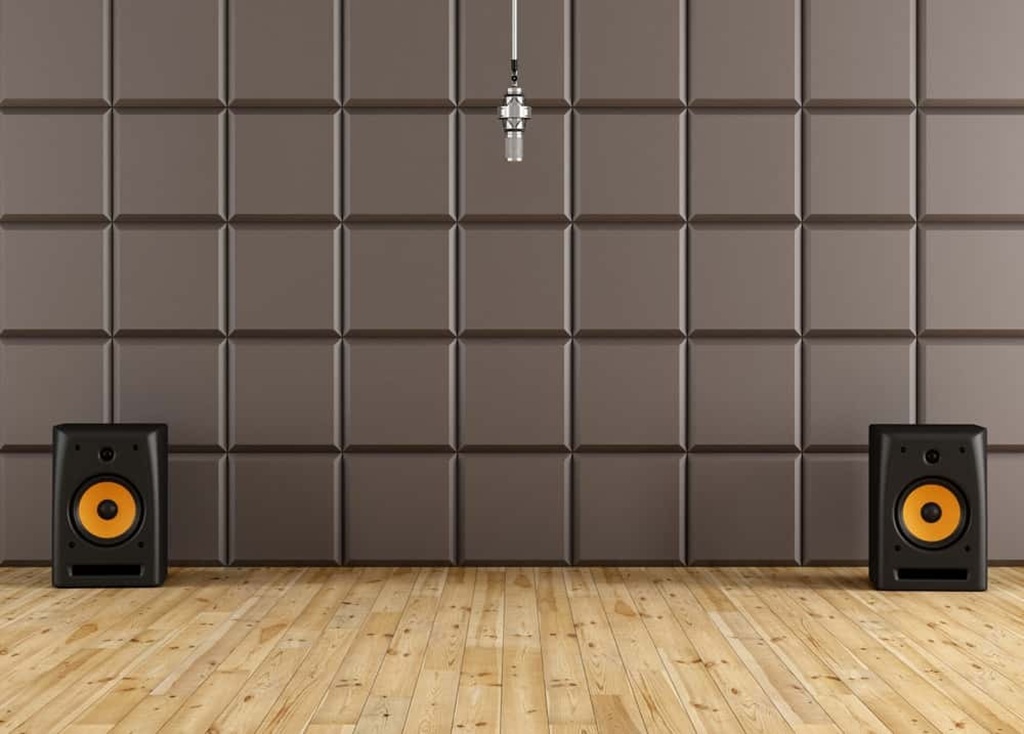
To understand how acoustic panels work, we must first grasp the nature of sound itself. Sound travels in waves, bouncing off hard surfaces like walls, ceilings, and floors. This reflection creates reverberation, leading to echoes and a general sense of muddiness in the audio experience. Acoustic panels, typically made from porous materials like foam, mineral wool, or fiberglass, are designed to absorb these sound waves. When a sound wave encounters a panel, it enters the porous material, where its energy is converted into a small amount of heat through friction. This process reduces the reflected sound, thereby minimizing reverberation and improving sound clarity.
The effectiveness of an acoustic panel depends on several factors, including its material, thickness, and placement. Thicker panels generally absorb lower frequencies more effectively, while the material’s porosity determines its ability to absorb higher frequencies. Placement is critical; strategically positioning panels at reflection points can significantly improve sound absorption.
Do Acoustic Panels Really Help with Sound? The Definitive Answer
The simple answer is yes, acoustic panels do help with sound, but their impact is nuanced. They primarily address reverberation and echo, not necessarily blocking sound transmission entirely. They excel at improving the clarity and intelligibility of sound within a space, making them ideal for home theaters, recording studios, offices, and restaurants. By reducing reverberation, acoustic panels enhance the overall listening experience, making speech clearer and music more defined.
However, it’s crucial to understand that acoustic panels are not soundproofing solutions. They don’t prevent sound from traveling through walls, floors, or ceilings. For that, you need soundproofing materials that add mass and dampen vibrations, like mass-loaded vinyl or resilient channels. are about sound absorption, while soundproofing is about sound isolation.
The Disadvantages of Acoustic Wall Panels: Balancing Benefits and Drawbacks
While acoustic wall panels offer numerous advantages, they also come with certain drawbacks that should be considered:
- Aesthetic Limitations: While modern panels come in various designs and fabrics, they may not always seamlessly blend with existing décor. Some panels can look utilitarian, particularly in residential settings. Customization options can be expensive.
- Cost: High-quality acoustic panels can be a significant investment, especially for larger spaces requiring extensive coverage. The cost of materials, installation, and potential customization can add up.
- Space Consumption: Acoustic panels, particularly thicker ones, take up wall or ceiling space. In smaller rooms, this can be a significant consideration.
- Installation Challenges: While some panels are designed for DIY installation, others require professional installation, adding to the overall cost. Improper installation can reduce their effectiveness and create aesthetic issues.
- Limited Soundproofing Capabilities: As mentioned earlier, primarily address reverberation, not sound transmission. If your goal is to block noise from entering or leaving a room, you’ll need additional soundproofing measures.
- Maintenance: Fabric-covered panels can accumulate dust and require regular cleaning. Some materials may be difficult to clean or prone to staining.
- Potential for Off-Gassing: Some foam-based panels may release volatile organic compounds (VOCs), especially when new. It’s essential to choose panels made from low-VOC or environmentally friendly materials.
How Effective Are Acoustic Ceiling Panels? Maximizing Overhead Sound Absorption
Acoustic ceiling panels are exceptionally effective in controlling reverberation and improving sound quality, especially in spaces with high ceilings or large open areas. The ceiling is often a significant reflection point for sound waves, making it an ideal location for acoustic treatment.
- Enhanced Sound Clarity: Ceiling panels can significantly reduce echoes and improve speech intelligibility, making them ideal for offices, classrooms, and conference rooms.
- Balanced Sound Distribution: By absorbing sound waves that would otherwise bounce off the ceiling, ceiling panels help create a more balanced and even sound distribution throughout the room.
- Reduced Noise Levels: In noisy environments like restaurants and call centers, ceiling panels can help reduce overall noise levels, creating a more comfortable and productive atmosphere.
- Aesthetic Flexibility: Ceiling panels come in various styles, including suspended tiles, clouds, and baffles, offering aesthetic flexibility and allowing for integration with existing ceiling designs.
- Targeted Absorption: Ceiling panels can be strategically placed to target specific areas of sound reflection, maximizing their effectiveness.
Do Acoustic Panels Stop Noise from Coming In? The Truth About Sound Transmission
Acoustic panels primarily address sound absorption within a space, not sound transmission from outside. They do not stop noise from coming in through walls, windows, or doors. For that, you need soundproofing solutions that add mass and create air gaps to block sound waves.
- Sound Absorption vs. Soundproofing: absorb sound waves within a room, reducing reverberation and echo. Soundproofing involves blocking sound waves from entering or leaving a room.
- Addressing Airborne Noise: To block airborne noise from entering a room, you need to seal air gaps around windows and doors, add mass to walls and ceilings, and use soundproofing materials like mass-loaded vinyl.
- Addressing Impact Noise: Impact noise, like footsteps or vibrations, requires decoupling and damping. Resilient channels, soundproof underlayment, and vibration isolation mounts are effective solutions.
- The Importance of a Combined Approach: For optimal noise control, a combination of for sound absorption and soundproofing materials for sound isolation is often necessary.
Read More Also: Sound Sanctuary: Walls or Ceilings? Mastering Acoustic Panel Placement for Optimal Sound Control
People Also Ask (FAQs):
-
Are acoustic panels worth it for a home theater?
- Yes, absolutely. can dramatically improve the sound quality in a home theater by reducing reverberation and enhancing clarity.
-
How many acoustic panels do I need?
- The number of panels depends on the size and shape of the room, as well as the desired level of sound absorption. A general rule of thumb is to cover 20-30% of the wall and ceiling surfaces.
-
Can I use acoustic panels in a recording studio?
- Yes, are essential for creating a controlled acoustic environment in a recording studio. They help minimize echoes and reflections, ensuring accurate sound reproduction.
-
Are acoustic panels safe?
- Yes, most acoustic panels are safe. However, it’s essential to choose panels made from non-toxic and fire-resistant materials.
-
How do I install acoustic panels?
- Installation methods vary depending on the type of panel. Some panels can be attached with adhesive, while others require mounting hardware.
-
Do acoustic panels help with bass?
- Thick panels, and Bass traps specifically designed for low frequencies, can help absorb bass frequencies.
- What are the best materials for acoustic panels?
- Popular materials include fiberglass, mineral wool, acoustic foam, and recycled cotton.
Conclusion: Achieving Acoustic Harmony
Acoustic panels are powerful tools for managing sound within a space, but they are not a one-size-fits-all solution. Understanding their capabilities and limitations is crucial for achieving optimal results. While they excel at reducing reverberation and enhancing sound clarity, they do not block sound transmission. For comprehensive noise control, a combination of acoustic panels and soundproofing measures is often necessary. By carefully considering your specific needs and goals, you can create a harmonious acoustic environment that enhances your comfort and productivity.