
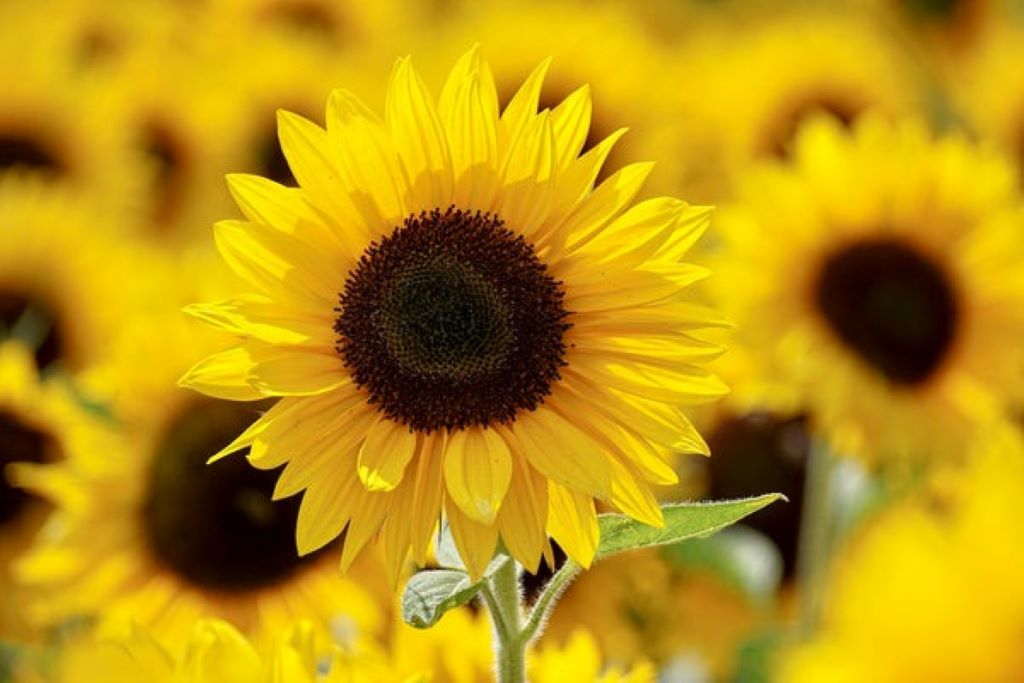

Sunflowers are among the most popular and cheerful flowers to grow, renowned for their vibrant yellow petals and towering stalks that brighten gardens, fields, and even indoor spaces. But if you want to enjoy their full splendor, knowing when to plant sunflowers is crucial. Timing directly affects their growth, bloom quality, and overall health.
In this comprehensive guide, you’ll learn everything you need to know about the best time to plant sunflowers for your climate and conditions. Plus, we’ll cover essential tips to ensure your sunny petals flourish all season long.
Why Timing Matters When Planting Sunflowers
Sunflowers (Helianthus annuus) are annual plants that thrive in warm weather and long, sunny days. Planting sunflowers too early or too late can drastically impact their germination success and flowering time.
Key reasons timing is important:
- Soil Temperature: Sunflower seeds require warm soil to germinate and grow strong roots.
- Frost Sensitivity: Sunflowers are frost-tender — planting too early risks damage from late frost.
- Length of Growing Season: Sufficient warm days ensure the plant reaches maturity and blooms.
- Daylight Hours: Sunflowers respond to daylight; planting at optimal times maximizes flower size and color.
Understanding your local climate’s seasonal patterns is the first step to maximizing your sunflower crop’s potential.
The Best Time to Plant Sunflowers: General Guidelines
While exact planting times depend on your region, here are general recommendations based on common sunflower types:
- Spring Planting: For most regions, the best time to plant sunflowers is in spring, after the soil temperature reaches around 50°F (10°C) and there is no longer a threat of frost.
- Late Frost Dates: Plant sunflowers 1-2 weeks after the last expected spring frost date.
- Warm Climates: In warmer zones (USDA zones 8-11), sunflowers can be planted as early as late winter or very early spring.
- Short Growing Season Areas: In colder climates, planting sunflowers mid-to-late spring ensures blooms before fall frost.
Typically, sunflower seeds are planted between April and June in temperate zones to align with the warming soil and optimal daylight.
Soil Temperature Is the True Indicator
Rather than focusing solely on calendar dates, paying attention to soil temperature can improve success. Soil thermometers are affordable and easy tools: when your soil hits 50°F or higher at a depth of about 1-2 inches, it’s time to plant.
Regional Planting Schedules for Sunflowers
-
Northern and Cooler Climates (USDA zones 3-6)
- Best time to plant: Late April to early June
- Make sure the last frost date has passed.
- Soil warming is slower, so wait until consistent 50°F+ soil.
- Shorter growing seasons might require selecting early-blooming sunflower varieties such as ‘Sunspot’ or ‘Elf.’
-
Mid-Atlantic and Temperate Zones (USDA zones 7-8)
- Best time to plant: Mid-March to late May
- Some gardeners may start in early March with soil temperatures around 50-55°F.
- You can plant successive batches every 2-3 weeks for continuous blooms through summer.
-
Warm and Southern Climates (USDA zones 9-11)
- Best time to plant: Late February to April, and again in late summer/early fall
- Mild winters allow for multiple planting windows.
- Fall planting is also common to avoid extreme summer heat and produce blooms into late autumn.
-
High Altitude and Mountain Regions
- Best time to plant: Late May to early June
- Wait until the danger of frost is completely gone.
- Choose fast-maturing varieties for best results.
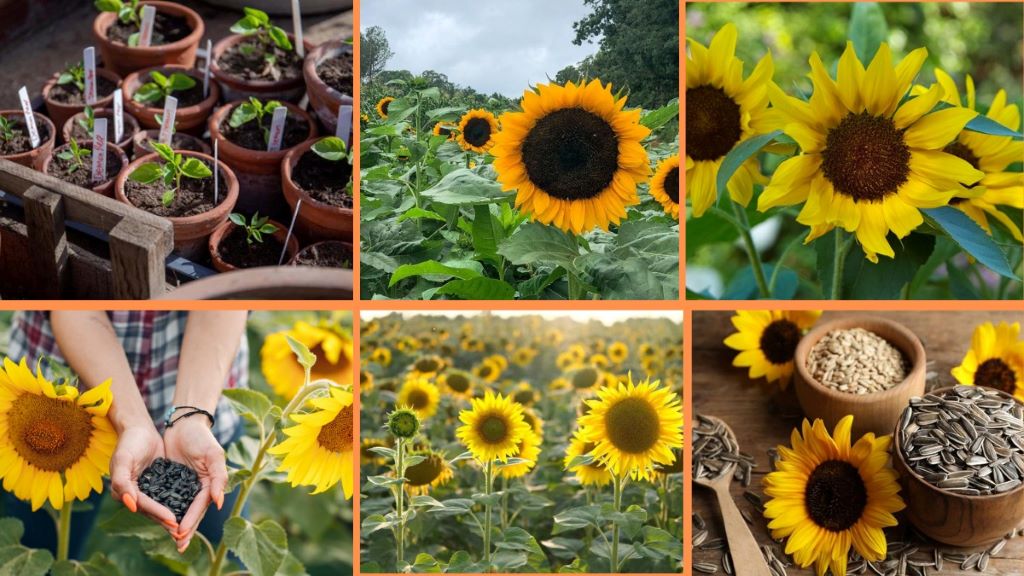
Step-by-Step Guide: How to Plant Sunflowers at the Right Time
- Check Your Last Frost Date: Use reliable gardening calendars or local extension services.
- Prepare the Soil: Sunflowers prefer well-draining soil with a pH of 6.0–7.5. Enrich with compost if needed.
- Monitor Soil Temperature: Aim for at least 50°F (10°C) for planting.
- Choose the Variety: Tall varieties (up to 10 feet) need more space; dwarf or bouquet types are good for smaller gardens.
- Plant Seeds: Sow seeds 1 to 1.5 inches deep and space them 6 to 12 inches apart, depending on variety.
- Water Well: Keep soil moist until seedlings emerge; avoid waterlogging.
- Thin Seedlings: Once seedlings are a few inches tall, thin to the strongest plants for optimal growth.
- Support Tall Plants: Stake tall varieties if needed to prevent wind damage.
Best Practices to Ensure Healthy Sunflowers After Planting
- Sunlight: Plant sunflowers in full sun— they require at least 6-8 hours of direct sunlight daily.
- Watering: While drought-tolerant once established, young plants need consistent moisture.
- Pest and Disease Management: Watch for common pests like aphids, birds, and caterpillars. Use natural repellents or non-toxic control methods.
- Fertilization: Moderate feeding with balanced fertilizer supports robust blooms.
- Succession Planting: To enjoy continuous blooms throughout summer and fall, plant sunflower seeds every 2-3 weeks.
Frequently Asked Questions (FAQs)
Q1: Can I plant sunflowers indoors before transplanting outside?
Sunflowers have long taproots and typically do not transplant well. It’s best to plant seeds directly outdoors at the right time to avoid root disturbance.
Q2: What if I plant sunflowers too early?
Planting too early in cold, wet soil can lead to poor germination, weak seedlings, or rotting seeds.
Q3: How long do sunflower seeds take to germinate?
Seeds usually sprout within 7 to 10 days under optimal warm soil conditions.
Q4: Can I plant sunflowers in the fall?
In warm climates, fall planting is possible if soil temperatures remain warm enough. In cooler areas, fall planting risks frost damage.
Q5: How do I extend the blooming period of sunflowers?
Succession planting every few weeks helps maintain flowers throughout the growing season.
Unlock Your Garden’s Potential: Why Timing Makes All the Difference
Successfully planting sunflowers at the right time transforms your garden into a radiant showcase of nature’s beauty. Proper timing maximizes germination rates, plant health, and the vibrant quality of blooms — giving you tall, sturdy stalks crowned with golden flowers that track the sun.
If you rush or hesitate to plant, you risk weak, stunted plants or missing the flowering window entirely.
Final Thoughts and Call to Action
By now, you have a clear understanding of when to plant sunflowers based on your climate and conditions. Remember to plant after the last frost and when soil warms to 50°F for best results. Choose your sunflower variety wisely, prepare your soil, and follow the step-by-step tips to enjoy a breathtaking floral display.
Read More:
Taming the Weeds: A Guide to Using Landscape Fabric in Your Garden
Composting Made Easy: Turning Kitchen Scraps Into Garden Gold