


To take care of a garden snail, provide a suitable habitat, and maintain proper feeding and watering. Snails need a moist environment, healthy food, and regular care to thrive.
Taking care of a garden snail involves creating a suitable habitat with moist soil, providing calcium-rich food, and ensuring proper watering. Garden snails are low-maintenance pets that can be a fascinating addition to your garden. With the right care, these gentle creatures can live for several years and contribute to a healthy garden ecosystem.
Understanding the specific needs of snails and providing a nurturing environment will ensure their well-being and longevity. We will explore the essential aspects of caring for garden snails and offer guidance on creating an ideal habitat for these fascinating creatures.
Choosing The Right Snail
Choosing the Right Snail: Before bringing a garden snail, consider the snail species. Some common garden snails are the Brown Garden Snail, the White Garden Snail, and the Milk Snail. Each has unique behavior and needs. Research the specific requirements for the species you choose to ensure you can provide suitable care.
Creating The Ideal Habitat
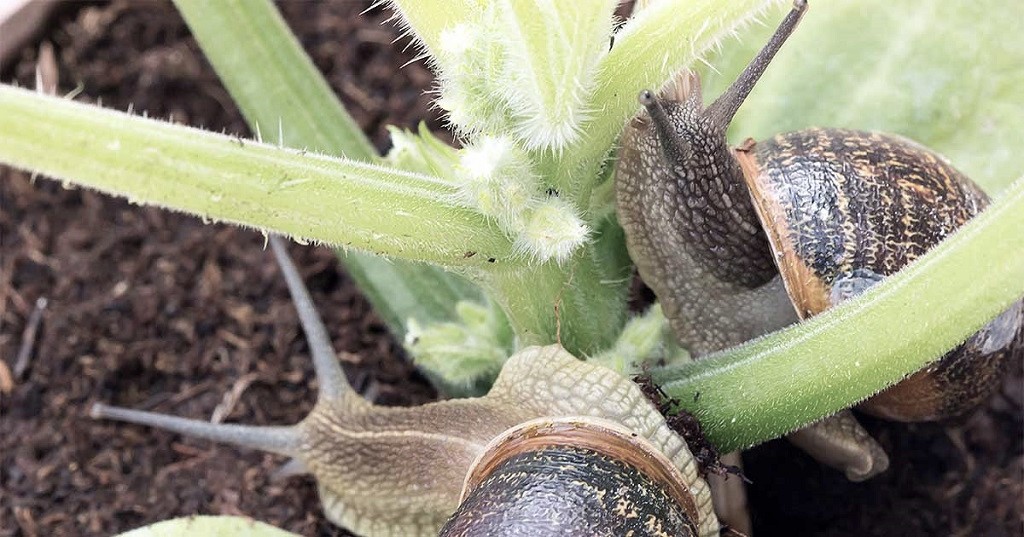
To create the ideal habitat for your garden snail, focus on the terrarium setup. Ensure the temperature is between 65-75°F and humidity levels are around 70-80%. Use a substrate such as coconut fiber or sphagnum moss and add decor like small rocks and branches. This environment will mimic their natural habitat, providing a comfortable living space.
Feeding And Watering
Taking care of a garden snail involves ensuring they have proper food and water. Provide them with a balanced diet of fruits and vegetables, and always keep a shallow dish filled with clean water available for them to drink.
Feeding and Watering: Snails require proper nutrition and hydration to thrive in a garden. Proper Nutrition: Snails need a balanced diet consisting of fresh fruits, vegetables, and leafy greens. Offer a variety of food options such as lettuce, cucumbers, and carrots. Feeding Schedule: Place food in the snail’s enclosure every day or every other day. Monitor their eating habits and remove any uneaten food to prevent spoilage. Watering Techniques: Snails obtain water from their food, but an additional water source is also crucial. Mist the enclosure with water regularly, ensuring it doesn’t become too wet. Provide a shallow dish filled with clean water for the snails to drink from. Remember, keeping a well-fed and hydrated snail is vital for its overall health and well-being.
Handling And Care
When taking care of a garden snail, it’s important to follow safe handling tips to ensure both your safety and the snail’s well-being. First, remember to wash your hands before and after handling the snail. This helps to prevent the spread of germs and keeps the snail’s sensitive skin clean and healthy.
To provide a comfortable living environment, maintain a clean habitat for your snail. This means regularly cleaning the enclosure and removing any waste or uneaten food. Snails thrive in a humid environment, so ensure the enclosure is adequately misted to maintain the necessary moisture levels. Keeping the enclosure clean and suitable for the snail’s needs is essential for its health and well-being.
Avoiding common mistakes is crucial when caring for a garden snail. One of the most common mistakes is overfeeding. Snails have small appetites and can become ill if they are given too much food. Another mistake to avoid is using harmful substances or chemicals near the enclosure. Snails are sensitive to toxic substances, so it’s important to ensure their environment is free from any potential hazards.
Monitoring Health And Wellness
Monitoring Health and Wellness:
Keeping an eye on the health of your garden snail is key to ensuring its well-being. Signs of illness may include changes in behavior, appetite, or shell condition. Look for any indications of distress, such as sluggishness or a lack of movement.
Preventive care plays a crucial role in your snail’s health. Provide a clean and suitable environment that replicates its natural habitat. Ensure proper moisture levels, temperature, and adequate food supply to promote a healthy lifestyle.
Veterinary care is essential for identifying any underlying health issues. Find a veterinarian experienced in treating snails and schedule regular check-ups. They can guide you on necessary vaccinations and address any concerns you may have.
Frequently Asked Questions For How To Take Care Of A Garden Snail
How Do I Create A Suitable Habitat For A Garden Snail?
Creating a suitable habitat for a garden snail involves providing a moist environment, with shelter and food. Ensure the enclosure has damp soil or substrate, and add hiding spots like plant pots or logs. For optimal indoor gardening success, remember to implement top tips such as offering a varied diet including fruits, vegetables, and calcium-rich foods like cuttlefish bone to ensure your plants thrive
What Should I Feed My Garden Snail?
Garden snails enjoy a variety of foods, including fruits like apples and berries, vegetables like lettuce and cucumber, and leafy greens such as spinach. They also benefit from calcium-rich foods like crushed eggshells or cuttlefish bone to strengthen their shells.
How Often Should I Water My Garden Snail’s Enclosure?
It is important to keep the garden snail’s enclosure moist, but not overly wet. Sprinkle water on the soil or substrate every couple of days, ensuring it doesn’t dry out completely. Monitor the moisture levels to avoid mold growth or waterlogged conditions.
Can Garden Snails Be Kept Indoors?
Yes, garden snails can be kept indoors as pets. However, ensure their enclosure is set up properly with appropriate moisture levels, temperature, and ventilation. Keep them away from direct sunlight and extreme temperatures. Regularly clean their enclosure to maintain a healthy environment.
Taking care of a garden snail requires a gentle touch and a willingness to learn. From providing a suitable habitat to offering a balanced diet, these small creatures can thrive with the right care. Engage your kids in fun indoor gardening projects while remembering to maintain proper moisture levels, ensure favorable temperatures, and protect the plants from predators to foster a thriving and educational experience
By following these guidelines, you can enjoy the fascinating world of garden snails while providing them with a safe and nurturing environment.