


Table of Contents
ToggleWhy Use Vinegar for Cleaning Cutlery?
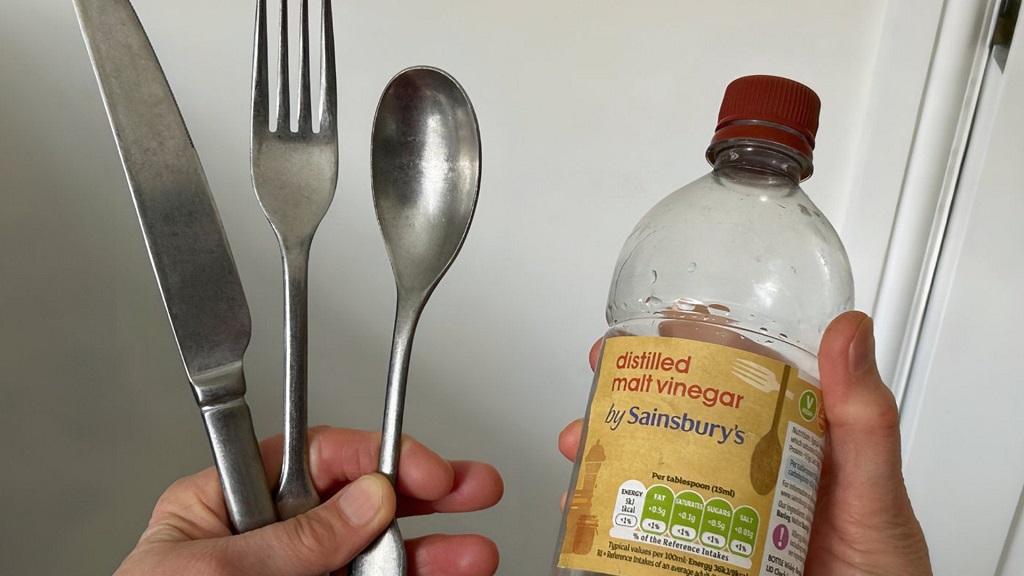
Before diving into the cleaning process, it’s essential to understand why vinegar is such an effective cleaner for cutlery. Vinegar is a mild acid, primarily composed of acetic acid, which can dissolve dirt, grease, and mineral deposits from water, such as calcium and magnesium. It’s non-toxic, safe for most materials, and helps eliminate unpleasant odors, leaving cutlery fresh and shiny.
Using vinegar to clean cutlery offers numerous advantages:
- Eco-Friendly: Unlike chemical cleaners, vinegar is biodegradable and doesn’t contribute to pollution.
- Affordable: Vinegar is cheap, widely available, and works on multiple surfaces.
- Gentle on Metals: While being effective, vinegar is gentle enough to not damage most cutlery materials when used correctly.
Now, let’s explore various methods to clean cutlery with vinegar and remove common issues like spots, stains, and rust.
Read More Also: DIY Dreams: Tackling Home and Backyard Projects with Confidence
Preparation: Gather Your Supplies
Before starting, gather the following supplies for a smooth and effective cleaning process:
- White distilled vinegar
- A clean, non-abrasive sponge or cloth
- Baking soda (optional, for tougher stains)
- A bowl or shallow pan (for soaking)
- Microfiber cloth or towel (for drying and polishing)
These supplies will help ensure your cutlery is restored to a pristine condition without scratching or damaging the metal.
How to Clean Stainless Steel Cutlery with Vinegar
Stainless steel is one of the most common materials used for cutlery, as it is durable and resistant to rust. However, it can still develop stains or dullness over time. Follow these steps to clean your stainless steel cutlery with vinegar:
Step 1: Prepare the Vinegar Solution
In a bowl or shallow pan, pour enough white distilled vinegar to fully submerge the cutlery you want to clean. If you’re dealing with light stains or just want to polish the cutlery, you can dilute the vinegar with water (about 1 part vinegar to 2 parts water). For more stubborn stains, use undiluted vinegar for maximum effectiveness.
Step 2: Soak the Cutlery
Place the cutlery in the vinegar solution, ensuring each piece is entirely submerged. Allow the cutlery to soak for about 10 to 15 minutes. The vinegar will break down the mineral deposits, food residue, and any spots that have accumulated on the cutlery.
Step 3: Scrub and Rinse
After soaking, use a non-abrasive sponge or cloth to gently scrub the cutlery. This will help lift off any remaining grime or stains. Be sure to scrub along the grain of the metal if you notice any visible lines to avoid creating scratches. Once done, rinse each piece thoroughly under warm water.
Step 4: Dry and Polish
Use a microfiber cloth or a clean towel to dry the cutlery immediately. This step is crucial as leaving cutlery to air-dry can sometimes lead to water spots, especially in areas with hard water. Polishing with a microfiber cloth will also restore the cutlery’s shine.
How to Remove Stubborn Stains from Cutlery with Vinegar and Baking Soda
Some stains, such as dark spots or tarnish, may not come off easily with vinegar alone. In such cases, combining vinegar with baking soda can create a more potent cleaning solution. Baking soda is a mild abrasive that can help lift tough stains without scratching the surface.
Step 1: Apply Baking Soda to the Stained Areas
Sprinkle a small amount of baking soda directly onto the areas of the cutlery that have stubborn stains or tarnish. The baking soda should adhere to the wet metal.
Step 2: Add Vinegar to Activate
Pour a small amount of vinegar over the baking soda on each piece of cutlery. The mixture will start to fizz as the baking soda reacts with the vinegar, which helps break down and lift stains.
Step 3: Scrub and Rinse
Use a soft sponge or cloth to scrub the affected areas in gentle circular motions. Avoid using steel wool or anything too abrasive, as it can scratch the cutlery. Once the stains are gone, rinse each piece thoroughly with warm water.
Step 4: Dry and Polish
Dry the cutlery with a microfiber cloth to prevent water spots and polish to bring out the natural shine of the metal.
How to Remove Rust from Cutlery with Vinegar
In cases where cutlery has developed rust, vinegar is particularly effective due to its acidic nature. Here’s how to tackle rust on cutlery with vinegar.
Step 1: Soak in Vinegar
Fill a bowl or pan with undiluted white vinegar, and submerge the rusty cutlery. Allow the cutlery to soak for a longer time—about 1 to 2 hours, depending on the severity of the rust.
Step 2: Scrub with Baking Soda (Optional)
For persistent rust, remove the cutlery from the vinegar and sprinkle some baking soda over the rusty spots. Use a sponge or brush to scrub away the rust gently. The combination of vinegar and baking soda works well for breaking down rust.
Step 3: Rinse and Dry
Rinse the cutlery thoroughly under warm water, ensuring no residue from vinegar or baking soda remains. Dry each piece with a microfiber cloth to avoid any new rust formation.
Maintaining Cutlery to Prevent Stains and Rust
Once your cutlery is sparkling clean, maintaining its appearance is essential. Here are a few quick tips to keep cutlery in top condition:
- Dry Immediately: Avoid air-drying cutlery, especially in areas with hard water. Instead, dry each piece immediately after washing.
- Avoid Harsh Detergents: Strong detergents can damage the finish on cutlery, leading to stains or rust.
- Store Properly: Store cutlery in a dry area away from humidity. Using drawer liners can help prevent scratches and rust.
Final Thoughts on Cleaning Cutlery with Vinegar
Vinegar is an excellent, natural choice for cleaning cutlery due to its ability to dissolve stains, mineral deposits, and even rust. By following these simple steps and using readily available household ingredients, you can keep your cutlery looking like new. Not only is this method cost-effective and eco-friendly, but it also minimizes exposure to harsh chemicals, making it safe for you and your family.
Whether it’s a quick shine-up or removing stubborn stains, vinegar remains a versatile and reliable tool for restoring cutlery’s sparkle. So the next time your utensils lose their luster, reach for that bottle of vinegar and get ready to see the magic unfold!