


Imagine your strong pup dragging you down the street after every squirrel. Walks turn into battles. Many owners face this daily struggle. Yet the right tool changes everything. The PetSafe Easy Walk no-pull harness helps millions enjoy calm strolls. Discover more about this popular front-clip option in our full review at Easy Walk no-pull harness.
This harness stops pulling gently. It redirects your dog sideways when they lunge. No more arm strain or neck pressure. Studies show front-clip designs cut pulling behaviors sharply compared to collars. Plus, over 17 million dogs worldwide walk better with similar tools. Vets and trainers trust it for safe control.
What Is the Easy Walk No-Pull Harness?
PetSafe created this harness in 2004. A veterinary behaviorist designed it. It targets leash pullers without harm.
The front chest clip stands out. Attach the leash there. Your dog turns toward you if they pull. A martingale loop tightens lightly on shoulders. This redirects focus smoothly.
Four adjustment points ensure fit. Quick-snap buckles speed putting it on. The belly strap uses a different color for easy setup. Nylon material stays lightweight and breathable.
It avoids throat pressure. Collars can choke. This rests low on the chest. Perfect for daily walks or training sessions.
How the Easy Walk Harness Works
Pulling triggers the magic. The front attachment steers your dog sideways. They face you instead of charging ahead.
The martingale loop adds gentle pressure. It tightens across the chest. No pain, just a cue to slow down.
This opposes the opposition reflex. Back-clip harnesses encourage pulling like sled dogs. Front clips discourage it naturally.
Combine with treats for loose leash walking. Reward eye contact or heel position. Users see changes fast. One owner called it “magical” for their mini Aussie pup.
Trainers love it as a management tool. It enables better training without force.
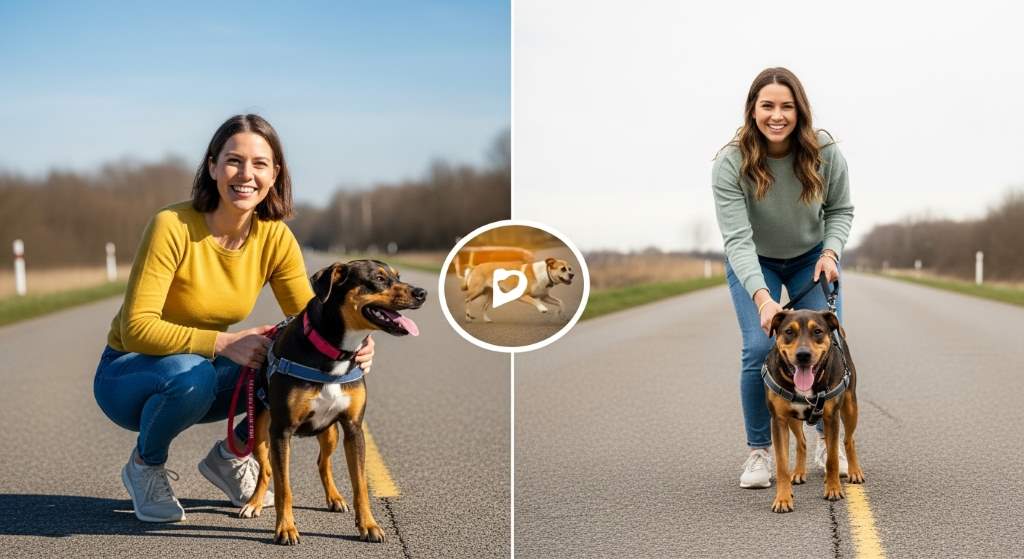
Key Features That Make It Stand Out
This harness packs smart details.
- Patented martingale loop for controlled tightening.
- Front D-ring for instant redirection.
- Four adjustable straps for custom fit.
- Quick-snap buckles on shoulder and belly.
- Breathable nylon with minimal coverage.
- Different color belly strap to avoid mix-ups.
Deluxe versions add padding and reflective strips. Vets recommend it over prong collars.
It fits most breeds. Measure girth behind front legs. Sizes range from petite to large.
Pros of the Easy Walk No-Pull Harness
Owners rave about these benefits.
First, it stops pulling fast. Many report “night and day” differences. One walker handled two huskies easily.
Second, it stays gentle. No gagging or choking. Pressure hits shoulders, not throat.
Third, comfort shines. Lightweight design keeps dogs cool. Adjustable points prevent rubbing if fitted right.
Fourth, ease of use. Snap on and go. Color coding helps new users.
Fifth, durability holds up. Strong nylon and metal rings last daily walks.
Finally, vet-backed. Behaviorists created it. Trainers use it worldwide.
- Reduces lunging instantly.
- Teaches better manners over time.
- Works for reactive dogs too.
- Affordable and widely available.
One user said their pug mix became walkable overnight.
Cons and Potential Drawbacks
No tool fits everyone. Some issues arise.
Fitting challenges top the list. Loose straps cause slipping or chafing. Tight ones rub armpits.
It may alter gait. Front strap sits low on some breeds. This hinders shoulder movement long-term.
Strong pullers sometimes escape. Backing out happens if not snug.
Not ideal for runs or hikes. Better for calm walks.
Puppies risk joint strain. Wait until growth plates close.
Chewers destroy straps quickly. Supervise always.
- Can chafe underarms.
- Slips on deep-chested dogs.
- Needs frequent adjustments.
- Not escape-proof for Houdinis.
One owner saw rashes from poor fit. Another noted limp from shoulder pressure.
Real-User Stories: Successes and Lessons
Stories bring it alive. Sarah had a reactive German Shepherd. Prong collars failed. The Easy Walk transformed walks. “He listens now,” she shared.
Mike’s lab pulled relentlessly. First use? Calm strolls. “Like a new dog,” he posted.
A Reddit user with a mini Aussie said pulling stopped instantly. “Magical,” they called it.
Not all win. One big dog owner got back pain from remaining lunges. Switched to Halti.
A runner found it insecure. Dog wriggled free once.
Long-term users transition to Y-front harnesses. Easy Walk trains, then step up.
Recent 2025 posts show ongoing love. One owner healed from a drag injury, crediting it for control.
How to Fit and Use It Properly
Fit matters most. Measure girth behind front legs. Allow two fingers under straps.
Shoulder strap sits high. Chest strap horizontal. Martingale centered.
Stand while adjusting. Dog should move freely.
Start short walks. Reward loose leash.
Clean by hand. Air dry.
Check fit often. Growing pups need upsizing.
Use with training. Stop for pulls. Redirect gently.
Pros tip: Pair with treats. Mark good behavior.
Alternatives to Consider
If it doesn’t click, try these.
Freedom No-Pull Harness: Dual clips, martingale.
2 Hounds Design: Versatile control.
Ruffwear Front Range: Durable for active dogs.
Gentle Leader: Head halter for strong pullers.
Blue-9 Balance: Multi-point adjustments.
Each suits different needs. Front clips work best for most.
Latest Research on No-Pull Harnesses
Science backs front clips. A Journal of Veterinary Behavior study found less pulling than collars.
Another showed reduced force on leashes.
Vets warn against prongs. They risk injury.
2025 tests confirm: Easy Walk scores high in comfort and effectiveness.
Trainers see it as a bridge to loose leash skills.
Tips for Best Results
Train consistently. Use positive reinforcement.
Adjust often. Prevent looseness.
Combine tools. Double leash for security.
Monitor skin. Stop rubbing early.
Phase out slowly. Graduate to back clip.
Walk daily. Build habits.
Avoid all-day wear. Remove indoors.
Conclusion
The Easy Walk no-pull harness shines for pullers. It redirects gently. Pros outweigh cons for many. Real stories prove calmer walks.
Yet fit carefully. Train alongside. It manages, not miracles alone.
Ready for pull-free joy? Grab yours and start today.
FAQs
How does the Easy Walk differ from back-clip harnesses?
Front clip turns your dog sideways. Back clips encourage sled-like pulling.
Is the Easy Walk safe for puppies?
Wait until 6-8 months. Avoid joint strain in growing dogs.
Can dogs escape the Easy Walk harness?
Rare if fitted snug. Check straps daily.
Does it work for large, strong dogs?
Yes for many. Extra control with double clips helps giants.
How long until I see results?
Often immediate. Full manners take weeks of training.
References
- PetSafe Official Site: https://www.petsafe.com/product/easy-walk-harness/
- Journal of Veterinary Behavior Study: https://pmc.ncbi.nlm.nih.gov/articles/PMC11512810/
- Business Insider Review: https://www.businessinsider.com/guides/pets/best-no-pull-dog-harness
- Reddit User Experiences: https://www.reddit.com/r/puppy101/comments/1hhvjuw/the_magical_easy_walk_harness/