
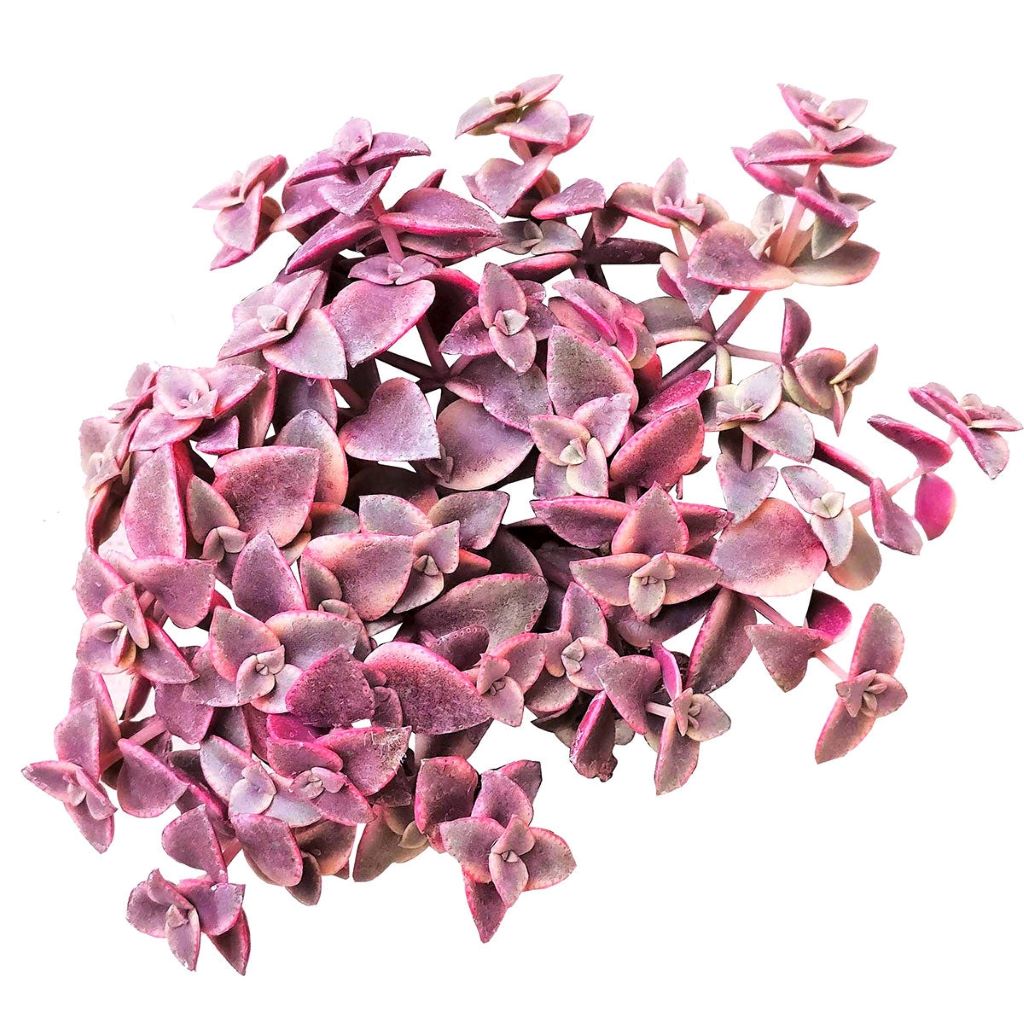

The Pink Lady plant, known for its vibrant foliage and elegant blooms, is a favorite among indoor and outdoor gardeners. However, maintaining its beauty requires vigilance against common pests that can harm its health. At Healthy House Plants, we understand the importance of keeping your Pink Lady thriving. This article explores the most common pests affecting Pink Lady plants and provides practical, eco-friendly solutions to ensure your plant remains vibrant and healthy.
Understanding the Pink Lady Plant
The Pink Lady plant, scientifically known as Callisia repens or sometimes confused with certain varieties of Echeveria or Kalanchoe, is a low-maintenance houseplant cherished for its pink-tinted leaves and delicate structure. Its versatility makes it a popular choice for both novice and experienced gardeners. However, pests can quickly turn a thriving Pink Lady into a struggling one. For a comprehensive guide on Pink Lady plant care, including watering and light requirements, Healthy House Plants offers detailed insights to help you succeed.
Common Pests Affecting Pink Lady Plants
Several pests target Pink Lady plants due to their succulent leaves and tender stems. Identifying these pests early is crucial for effective management. Below, we discuss the most common culprits and their telltale signs.
Spider Mites
Spider mites are tiny arachnids that feed on plant sap, causing stippling, yellowing, or bronzing of leaves. You might notice fine webbing on the undersides of leaves or between stems. These pests thrive in dry, warm conditions, making indoor Pink Lady plants particularly vulnerable during winter.
Mealybugs
Mealybugs appear as small, white, cotton-like masses on stems and leaf joints. They suck sap, weakening the plant and causing leaves to curl or drop. If untreated, mealybugs can spread rapidly, especially in crowded plant arrangements.
Aphids
Aphids are small, soft-bodied insects that cluster on new growth, sucking sap and causing leaves to distort or yellow. They also secrete a sticky substance called honeydew, which can lead to sooty mold. Aphids are often green but can appear in other colors, making them tricky to spot on pink-tinted foliage.
Scale Insects
Scale insects look like small, brown, or gray bumps on stems and leaves. They feed on plant juices, leading to stunted growth and yellowing. Their hard, waxy covering makes them challenging to eliminate without targeted treatments.
Fungus Gnats
Fungus gnats are small, black flies that hover around the soil surface. While adults are mostly a nuisance, their larvae feed on roots, potentially causing root rot or weak growth. Overwatered Pink Lady plants are particularly susceptible.
Effective Solutions for Pink Lady Plant Pests
Once you identify the pest, prompt action is essential to prevent damage. Below are practical, eco-friendly solutions tailored to each pest, ensuring your Pink Lady plant care routine remains effective.
Combating Spider Mites
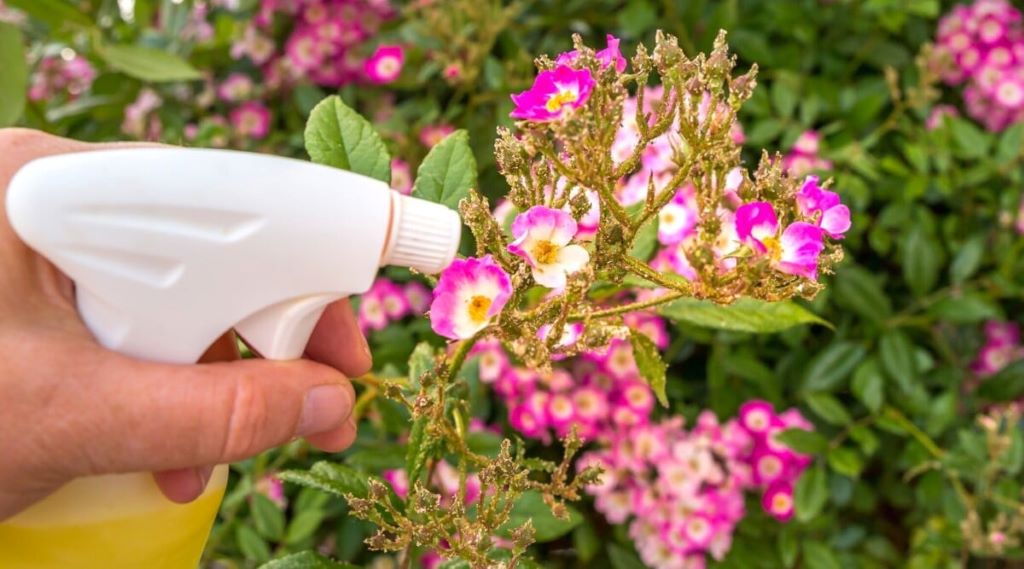
To control spider mites, increase humidity around your Pink Lady plant, as they dislike moist environments. Mist the plant regularly or place it near a humidifier. For mild infestations, wipe leaves with a damp cloth to remove mites and webbing. For severe cases, apply a solution of neem oil (1 teaspoon per quart of water) using a spray bottle. Repeat every 5-7 days until the infestation clears. Always test neem oil on a small leaf first to avoid sensitivity.
Eliminating Mealybugs
Mealybugs can be removed by dabbing them with a cotton swab dipped in rubbing alcohol. This dissolves their waxy coating and kills them on contact. Alternatively, rinse the plant with a strong stream of water to dislodge them. For persistent infestations, use insecticidal soap, spraying thoroughly and repeating weekly. Ensure good air circulation to prevent future outbreaks.
Managing Aphids
Aphids can often be controlled by blasting them off with a gentle water spray. For larger infestations, mix a solution of dish soap (1 tablespoon per gallon of water) and spray affected areas. Introducing natural predators, like ladybugs, can also help in outdoor settings. Regularly inspect new growth to catch aphids early.
Tackling Scale Insects
Scale insects are tough due to their protective shells. Scrape them off gently with a soft toothbrush or your fingernail. Follow up with neem oil or insecticidal soap applications, focusing on the undersides of leaves and stems. Repeat treatments every 7-10 days until no scales remain. Pruning heavily infested areas may be necessary in severe cases.
Controlling Fungus Gnats
To manage fungus gnats, let the soil dry out between waterings, as larvae thrive in moist conditions. Place sticky traps near the plant to capture adult gnats. For larvae, apply a solution of hydrogen peroxide (1 part 3% hydrogen peroxide to 4 parts water) to the soil. This kills larvae without harming the plant. Repeat every few days until the problem resolves.
Preventative Measures for Healthy Pink Lady Plants
Prevention is key to keeping pests at bay. Incorporate these practices into your Pink Lady plant care routine to minimize risks.
- Inspect Regularly: Check your plant weekly for signs of pests, especially under leaves and in crevices.
- Maintain Proper Watering: Avoid overwatering to deter fungus gnats and root rot. Ensure pots have drainage holes.
- Cleanliness: Remove fallen leaves and debris from the soil surface to reduce pest breeding grounds.
- Quarantine New Plants: Isolate new plants for 2-3 weeks to ensure they’re pest-free before placing them near your Pink Lady.
- Boost Airflow: Space plants apart to improve air circulation, reducing humidity that attracts pests like spider mites.
For additional tips, the Royal Horticultural Society offers expert advice on pest prevention for houseplants.
Natural and Chemical-Free Approaches
Eco-conscious gardeners can prioritize natural solutions to protect their Pink Lady plants. Neem oil, insecticidal soap, and rubbing alcohol are safe when used correctly. Beneficial insects, like ladybugs or predatory mites, can also control aphids and spider mites outdoors. These methods align with sustainable gardening practices promoted by sites like Better Homes & Gardens, ensuring your plant thrives without harmful chemicals.
When to Seek Professional Help
If pest infestations persist despite your efforts, consider consulting a local nursery or extension service. They can provide tailored advice or recommend safe, professional-grade treatments. Severe cases may require repotting or replacing the plant to prevent pest spread to other houseplants.
Conclusion
Keeping your Pink Lady plant pest-free is achievable with proactive care and timely interventions. By identifying common pests like spider mites, mealybugs, aphids, scale insects, and fungus gnats, you can apply targeted solutions such as neem oil, insecticidal soap, or simple water sprays. Preventative measures, like regular inspections and proper watering, further safeguard your plant. With consistent Pink Lady plant care, your vibrant houseplant will flourish, adding beauty to your home for years to come.
Frequently Asked Questions
- How do I know if my Pink Lady plant has pests?
Look for signs like yellowing leaves, sticky residue, webbing, or small insects on stems and leaves. Regular inspections help catch issues early.
- Can I use household items to treat Pink Lady plant pests?
Yes, rubbing alcohol, dish soap solutions, or hydrogen peroxide can effectively treat pests like mealybugs, aphids, and fungus gnats.
- How often should I check my Pink Lady for pests?
Inspect your plant weekly, focusing on new growth, leaf undersides, and soil surfaces to catch pests before they spread.
- Are chemical pesticides safe for Pink Lady plants?
Chemical pesticides can harm delicate Pink Lady plants. Opt for natural solutions like neem oil or insecticidal soap for safer results.
- Why do fungus gnats keep returning to my Pink Lady plant?
Overwatering creates moist soil, ideal for fungus gnat larvae. Let the soil dry out between waterings and use sticky traps to control them.
Read more: