
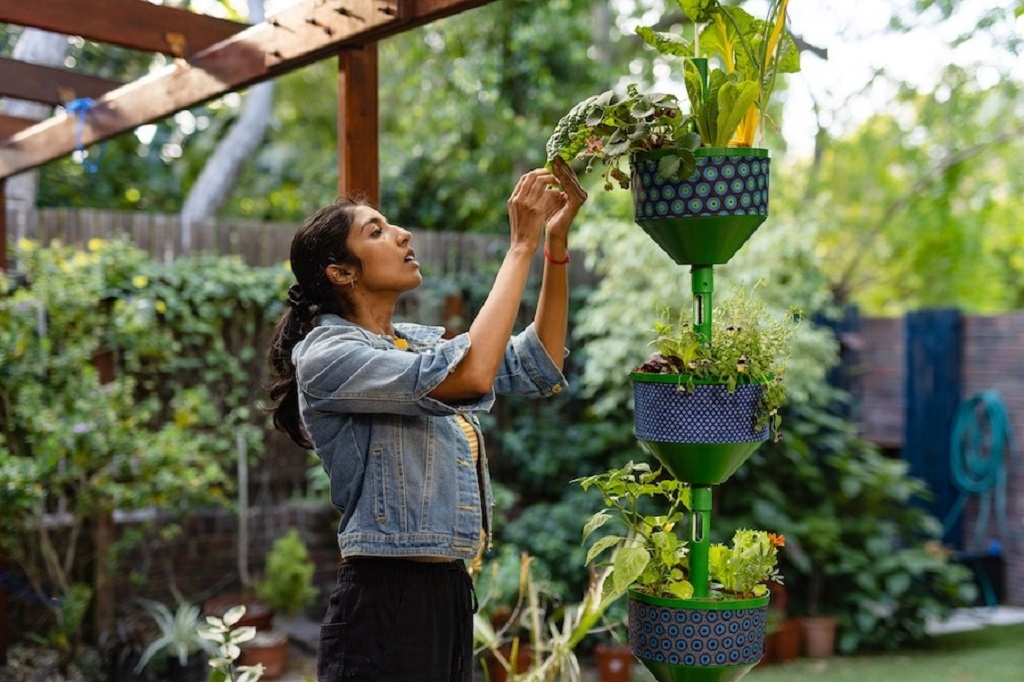

Picture transforming your cramped apartment balcony into a thriving vegetable paradise that feeds your family year-round. Thousands of Canadians are discovering that urban gardening isn’t just possible in small spaces – it’s revolutionizing how we think about food security and sustainable living.
The Urban Gardening Revolution Takes Root
Urban gardening in Canada has exploded beyond anyone’s expectations. The COVID-19 pandemic sparked unprecedented interest in home food production, with 17.4% of Canadian gardeners starting their growing journey in 2020 alone. Today, over 51% of Canadian households cultivate at least one type of fruit or vegetable at home, proving that space limitations won’t stop determined growers.
The statistics paint a compelling picture of this green transformation. Among households growing food in high-rise apartments, nearly 64% successfully utilize their balconies for cultivation. Additionally, 30% of Canadian growers have embraced balcony gardening as their primary growing method. This shift represents more than a hobby – it’s a fundamental change in how urban dwellers approach food independence.
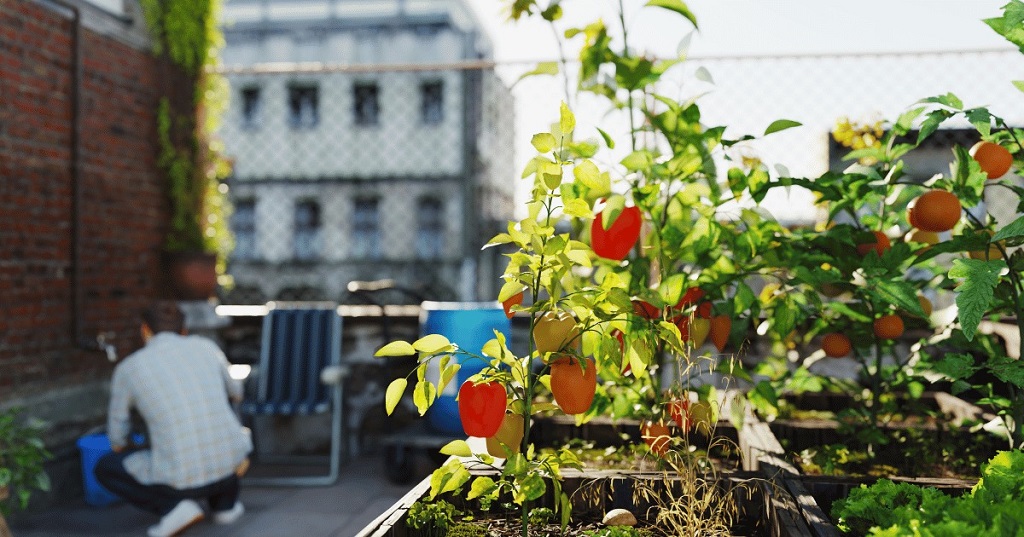
Small Spaces, Big Possibilities
Container gardening dominates the urban landscape for excellent reasons. A single 12-inch pot can yield enough fresh herbs to supply a family’s cooking needs for months. Furthermore, vertical growing systems maximize production in minimal square footage, with some setups producing equivalent yields to traditional gardens.
Smart space utilization transforms even the tiniest areas into productive growing zones. Window boxes provide perfect homes for leafy greens like lettuce and spinach. Meanwhile, hanging baskets accommodate cherry tomatoes and trailing herbs without consuming floor space. Therefore, successful urban gardening relies on creativity rather than acreage.
The key lies in understanding your available conditions. Most vegetables require six to eight hours of direct sunlight daily for optimal growth. However, many greens and herbs thrive with significantly less sun exposure. This flexibility opens doors for north-facing balconies and partially shaded areas previously considered unsuitable for cultivation.
Climate Challenges and Creative Solutions
Canada’s diverse climate zones present unique opportunities and obstacles for urban gardeners. Northern regions face shorter growing seasons, pushing innovative gardeners toward season extension techniques. Cold frames, mini greenhouses, and row covers extend productive periods significantly beyond natural limitations.
Indoor growing systems overcome seasonal restrictions entirely. Hydroponic setups and LED grow lights enable year-round vegetable production regardless of external weather conditions. Moreover, these controlled environments often produce higher yields than outdoor gardens while using less water and eliminating pest concerns.
The economic benefits compound quickly. A typical urban garden investment of $200 can generate $1,200 worth of fresh produce annually. This return on investment becomes even more attractive considering rising grocery costs and increasing concerns about food security across Canadian cities.
Technology Meets Tradition
Modern urban gardening embraces technological solutions that previous generations couldn’t imagine. Smart irrigation systems monitor soil moisture and deliver precise water amounts automatically. These systems prevent both overwatering and drought stress while conserving this precious resource.
Mobile apps help gardeners track planting schedules, identify plant diseases, and optimize harvest timing. Additionally, online communities connect urban growers across Canada, sharing regional advice and troubleshooting common challenges. This digital support network proves invaluable for beginners navigating their first growing season.
Self-watering containers represent another game-changing innovation. These systems maintain consistent moisture levels even during vacation periods or busy work schedules. Therefore, urban professionals can maintain thriving gardens without constant attention demands.
The Environmental Impact Factor
Urban gardening in Canada contributes significantly to environmental sustainability goals. Each pound of homegrown produce eliminates transportation emissions from farm to grocery store. Additionally, urban gardens reduce packaging waste associated with commercially produced vegetables.
Green spaces in urban environments provide crucial ecosystem services. They filter air pollution, reduce urban heat island effects, and support beneficial insect populations. Furthermore, rain gardens integrated into urban growing systems help manage stormwater runoff, reducing flooding risks in dense city areas.
The carbon footprint reduction extends beyond transportation savings. Home composting systems convert kitchen scraps into nutrient-rich soil amendments, diverting organic waste from landfills. This closed-loop system exemplifies sustainable living principles within urban constraints.
Community Building Through Growing
Community gardens bridge the gap between individual growing and neighborhood connection. These shared spaces allow renters and those without private outdoor access to participate in urban gardening. Additionally, community gardens foster intergenerational knowledge transfer and cultural exchange through shared growing practices.
The social benefits extend beyond food production. Gardening activities provide gentle exercise comparable to walking or cycling. Moreover, the mental health benefits of connecting with nature and nurturing living plants prove especially valuable in high-stress urban environments.
Neighborhood food security improves dramatically when multiple households embrace urban gardening. Local food networks reduce dependence on long-distance supply chains while building community resilience against disruptions.
Maximizing Your Growing Success
Successful urban gardening starts with realistic plant selection. Compact vegetables like cherry tomatoes, peppers, and radishes thrive in container environments. Leafy greens including lettuce, spinach, and kale provide quick harvests and continuous production throughout growing seasons.
Herb gardens offer exceptional value for small-space growers. Thyme, rosemary, basil, and sage require minimal space while providing expensive ingredients that dramatically reduce grocery bills. Additionally, fresh herbs elevate home cooking quality beyond anything available in supermarkets.
Succession planting ensures continuous harvests rather than overwhelming abundance followed by scarcity. Plant small quantities every two weeks instead of entire crops simultaneously. This strategy maximizes fresh produce availability while preventing waste from simultaneous ripening.
Related Topic: Prepare Ashwagandha Milk for Glowing Skin
Featured Snippet: Quick Start Guide
What vegetables grow best in small urban spaces in Canada?
Container-friendly vegetables perfect for Canadian urban gardens include cherry tomatoes, lettuce, spinach, radishes, peppers, and herbs like basil and thyme. These crops thrive in pots, require minimal space, and provide excellent yields. Most need 6-8 hours of sunlight daily, though leafy greens tolerate partial shade. Choose compact varieties specifically bred for container growing. Start with easy crops like herbs and lettuce before advancing to tomatoes and peppers. Success depends on proper drainage, quality potting soil, and consistent watering rather than garden size.
Related Topic: Peach Fuzz is Changing Canadian Landscapes
Frequently Asked Questions
How much space do I need to start urban gardening in Canada?
You can begin urban gardening with as little as two square feet of space. A single window box or small balcony provides sufficient room for herbs and leafy greens. Vertical growing systems maximize production in minimal areas.
What vegetables grow best in Canadian apartment balconies?
Cherry tomatoes, lettuce, spinach, radishes, peppers, and herbs thrive on Canadian balconies. Choose compact varieties designed for containers. Most vegetables need 6-8 hours of direct sunlight daily for optimal growth.
How much does it cost to start an urban garden in Canada?
Initial setup costs range from $50-200 depending on scale and equipment choices. This investment typically generates $600-1200 worth of fresh produce annually, providing excellent return on investment within the first growing season.
Can I grow vegetables indoors year-round in Canada?
Yes, LED grow lights and hydroponic systems enable year-round indoor vegetable production. These controlled environments often produce higher yields than outdoor gardens while eliminating weather-related challenges.
What are the biggest challenges for urban gardening in Canada?
Limited space, short growing seasons, and variable sunlight conditions pose primary challenges. However, container gardening, season extension techniques, and plant variety selection overcome these obstacles effectively.
Do I need gardening experience to start urban farming?
No prior experience is necessary. Start with easy crops like herbs and lettuce before advancing to more challenging vegetables. Online resources and local gardening communities provide excellent support for beginners.
How do I deal with pests in urban container gardens?
Container gardens typically face fewer pest issues than ground gardens. Companion planting, beneficial insects, and organic sprays control most problems effectively. Regular plant inspection catches issues early when treatment is most effective.
Related Topic: From Micro-Gardens to Rooftop Edibles
Final Thoughts
Urban gardening in Canada represents more than a trend – it’s a sustainable solution to modern food challenges. Whether you’re growing herbs on a windowsill or creating a balcony vegetable paradise, every small step contributes to food security, environmental health, and community resilience.
The journey from skeptical apartment dweller to confident urban farmer begins with a single seed and a willingness to learn. Your small space holds tremendous potential for green transformation that benefits both your family and your community.
Ready to transform your urban space into a productive garden? Start small with a handful of herb seeds this weekend and discover the satisfaction of growing your own fresh food. Your future self will thank you for taking this first step toward food independence and sustainable living.