


Traditional lawns, while iconic in British gardens, are increasingly under scrutiny. They demand high water usage, frequent mowing, and chemical treatments that harm biodiversity. As climate change intensifies and environmental awareness grows, many UK homeowners are seeking eco-friendly lawn alternatives that offer beauty, sustainability, and lower maintenance. This guide explores the best options, backed by expert insights and practical advice.
Why Rethink the Traditional Lawn?
Lawns cover over 2 million hectares in the UK, yet they contribute little to ecological health. According to the Royal Horticultural Society, a typical lawn requires weekly mowing, seasonal fertilising, and regular watering—especially during dry spells. This upkeep not only consumes resources but also disrupts local ecosystems.
Moreover, monoculture grass lawns offer minimal habitat for wildlife. The UK has seen a 41% decline in species abundance since 1970, and sterile lawns are partly to blame. By replacing turf with diverse, eco-friendly alternatives, gardeners can support pollinators, reduce carbon emissions, and create more resilient landscapes.
Top Eco-Friendly Lawn Alternatives for UK Gardens
-
Wildflower Meadows
Wildflower meadows are a vibrant, low-maintenance alternative that boosts biodiversity. Native species like oxeye daisy, red clover, and knapweed attract bees, butterflies, and birds. Unlike lawns, meadows require mowing just once or twice a year.
- Benefits: Enhances pollinator populations, reduces mowing, and improves soil health.
- Considerations: Best suited for sunny areas; initial establishment may take a season.
According to Horticulture Magazine, wildflower meadows are among the most effective ways to restore ecological balance in urban gardens.
-
Ground Covers (Clover, Creeping Thyme, Moss)
Ground covers offer lush greenery without the hassle. White clover fixes nitrogen in the soil, reducing the need for fertilisers. Creeping thyme adds fragrance and resists foot traffic. Moss thrives in shady, damp areas and requires no mowing.
- Benefits: Low water needs, no mowing, and excellent erosion control.
- Considerations: Choose species based on sun exposure and soil type.
A study by LawnStarter found that clover lawns reduce water usage by up to 50% compared to traditional turf.
-
Gravel and Rock Gardens
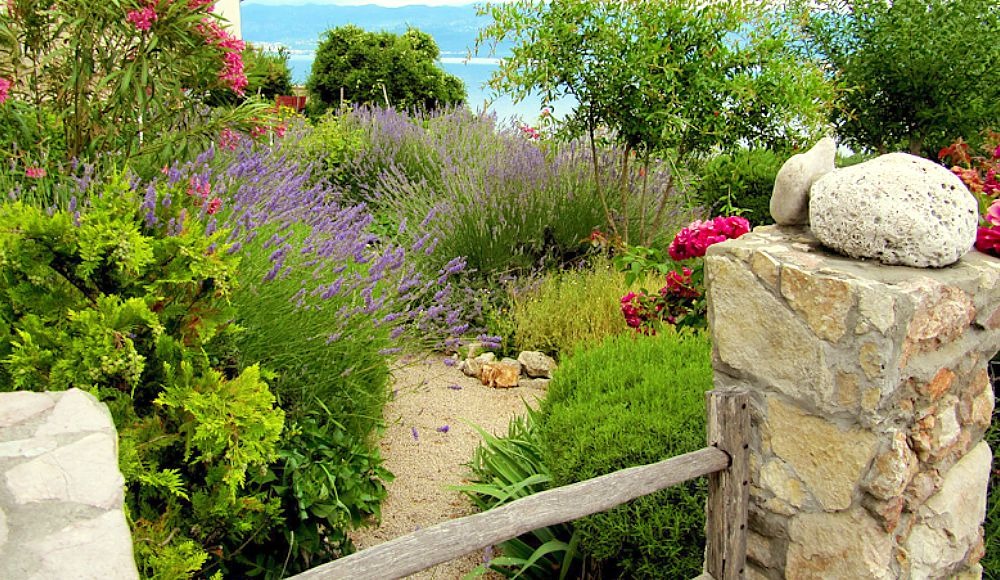
Gravel gardens are ideal for dry regions and modern aesthetics. They require minimal upkeep and can be paired with drought-tolerant plants like lavender and sedum. Rock gardens add texture and visual interest while conserving water.
- Benefits: No mowing, excellent drainage, and stylish appeal.
- Considerations: May require weed barriers and occasional raking.
The Wildly Bountiful Garden suggests combining gravel with native perennials for a dynamic, eco-conscious design.
-
Perennial Beds and Shrub Borders
Replacing lawn space with perennial beds creates seasonal interest and supports wildlife. Plants like echinacea, rudbeckia, and salvia bloom year after year. Shrubs such as dogwood and hazel offer shelter and food for birds.
- Benefits: Long-term beauty, habitat creation, and reduced maintenance.
- Considerations: Requires initial planning and soil preparation.
Perennial gardens also reduce carbon emissions by eliminating the need for petrol-powered mowers.
-
Woodland Gardens
Woodland gardens mimic natural forest ecosystems. They feature layers of trees, shrubs, and ground covers, creating a tranquil, shaded retreat. Native species like bluebells and ferns thrive in these conditions.
- Benefits: Supports biodiversity, minimal watering, and year-round interest.
- Considerations: Best for larger plots with partial shade.
According to Garden.eco, woodland gardens are among the most sustainable choices for UK homeowners.
-
No-Dig Food Gardens
Transforming lawn space into vegetable beds promotes self-sufficiency and reduces food miles. No-dig methods preserve soil structure and reduce weed growth. Raised beds filled with compost can yield abundant crops with minimal effort.
- Benefits: Provides fresh produce, improves soil health, and reduces waste.
- Considerations: Requires sunlight and regular harvesting.
This approach aligns with permaculture principles and supports a circular lifestyle.
-
Eco-Friendly Decking and Patios
Hardscaping with recycled materials like composite decking or permeable pavers offers functionality and style. These surfaces reduce runoff and require no maintenance.
- Benefits: Durable, low-maintenance, and ideal for entertaining.
- Considerations: Initial cost may be higher than planting alternatives.
Choose FSC-certified wood or recycled composites to ensure sustainability.
Featured Snippet: What Are the Best Eco-Friendly Lawn Alternatives in the UK?
Question: What are the most sustainable lawn alternatives for UK gardens?
Answer: The best eco-friendly lawn alternatives in the UK include wildflower meadows, clover lawns, gravel gardens, and perennial beds. Wildflower meadows support pollinators and require minimal mowing. Clover lawns reduce water and fertiliser use. Gravel gardens offer stylish, low-maintenance options, while perennial beds provide seasonal colour and wildlife habitat. Each alternative enhances biodiversity, reduces upkeep, and contributes to a greener, more resilient garden.
FAQs
Are eco-friendly lawns suitable for small gardens?
Yes. Ground covers like creeping thyme and clover work well in compact spaces and require little maintenance.
Do wildflower meadows attract pests?
No. They attract beneficial insects like bees and ladybirds, which help control pests naturally.
Can I walk on ground covers?
Some, like clover and creeping thyme, tolerate foot traffic. Others may be more delicate.
Is artificial grass eco-friendly?
Not entirely. It’s made from plastic and doesn’t support biodiversity. Natural alternatives are more sustainable.
How do I convert my lawn to a meadow?
Remove existing turf, sow native wildflower seeds, and avoid fertilisers. Mow once annually to maintain.
What’s the cheapest lawn alternative?
Clover is affordable, easy to grow, and requires minimal care. Gravel is also cost-effective long-term.
Will my garden look messy without a lawn?
Not at all. Thoughtful design with diverse plants and pathways creates a structured, attractive space.
Read More Also: Urban Gardening in Canada
Final Thought
Eco-friendly lawn alternatives are more than a trend—they’re a movement toward sustainable living. By choosing biodiversity-rich, low-maintenance options, UK gardeners can reduce their environmental impact and create vibrant, resilient outdoor spaces. Whether you opt for wildflowers, gravel, or woodland charm, the shift away from traditional turf is a step toward a greener future.
Call to Action
Ready to ditch the mower and embrace sustainability? Start small—replace a patch of turf with clover or wildflowers. Explore native plants and design your garden with purpose. Share your journey with fellow gardeners and inspire change. Your garden can be beautiful, functional, and eco-friendly—all at once.