
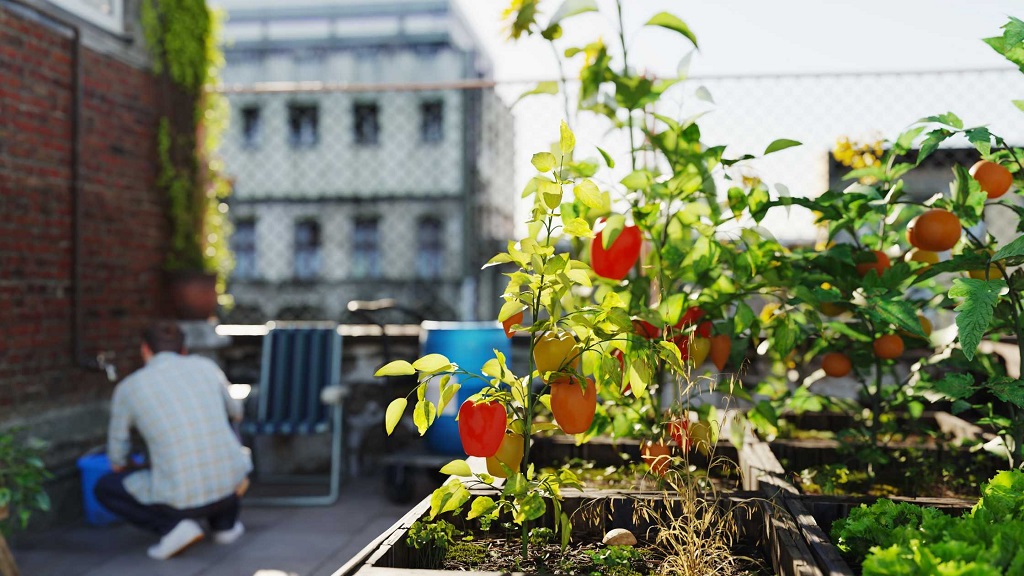

In the concrete heart of cities, something green is breaking through. Urban gardening isn’t just a niche hobby anymore—it’s a full-blown revolution. From balconies overflowing with herbs to entire rooftops transformed into vegetable oases, urban gardening trends in 2025 are changing the way we think about food, space, and sustainability.
With food security concerns, skyrocketing grocery prices, and a growing demand for self-sufficiency, city dwellers are turning to soil and sunlight like never before.
Why 2025 Is the Breakout Year for Urban Gardening
In 2025, urban gardening is no longer a fringe movement. It’s a mainstream lifestyle choice. According to the National Gardening Association, over 39% of city residents in North America now grow their own food, up from 27% just five years ago. Meanwhile, Google Trends shows searches for “DIY micro-gardens” and “rooftop edible gardens” have surged by 150% since late 2024.
This explosive interest is rooted in practical concerns. Urbanites want fresher food, reduced carbon footprints, and a deeper connection to nature—without leaving their zip code. Gardening offers all of that, plus mental health benefits that rival therapy sessions.
Micro-Gardens: The Power of Small Spaces
Micro-gardens are the perfect entry point for beginners and apartment dwellers. These compact gardens fit in tight spaces—think window sills, balconies, or even vertical wall planters.
With the rise of hydroponic kits and stackable containers, growing lettuce or strawberries indoors has become incredibly accessible. Even those living in high-rise buildings are growing microgreens using LED grow lights and mason jars.
Experts from Green America note that micro-gardens can yield up to 15 times more produce per square foot than traditional plots. That’s efficiency and sustainability packed into one tiny footprint.
However, critics argue micro-gardens can’t meet nutritional needs. While true to an extent, advocates counter that micro-gardens aren’t meant to replace entire grocery trips—they’re designed to supplement diets, reduce food waste, and foster eco-awareness.
Rooftop Edibles: Turning Dead Space Into Edible Gold
Rooftop gardening has gone from quirky to quintessential. With real estate tight and sunlight scarce at ground level, rooftops have emerged as prime agricultural real estate. Cities like New York, Tokyo, and Berlin are leading the charge, incentivizing green roofs with tax credits and sustainability grants.
According to Urban Green Council, green rooftops can reduce indoor temperatures by up to 30%, lowering AC bills and slashing emissions. Add tomatoes, peppers, and basil into the mix, and the environmental impact grows exponentially.
Restaurants are especially embracing rooftop edibles. A 2025 report from Eater found that 1 in 4 new restaurants in major U.S. cities now grow at least 50% of their herbs and produce on-site. Diners are eating ultra-local, hyper-fresh meals, while businesses cut procurement costs and boost sustainability credentials.
However, rooftop gardening isn’t without hurdles. Infrastructure must support the extra weight, and water access can be tricky. But with modular systems and lightweight soil blends now mainstream, the barriers are shrinking fast.
Tech-Driven Gardening: The Smart Green Movement
Technology is fueling urban gardening’s rapid evolution. Smart sensors, automated irrigation systems, and app-based plant care reminders are taking guesswork out of the equation.
Startups like Click and Grow, and AeroGarden have democratized access to indoor gardening tech, making it as simple as setting a thermostat. Even drone-based pollination and AI-driven crop monitoring are on the horizon.
The result? Higher yields, fewer pests, and dramatically less water waste. According to AgFunderNews, precision urban gardening tech reduced water usage by up to 70% in pilot projects across Los Angeles and Singapore.
Yet, tech doesn’t replace the tactile joy of gardening—it enhances it. “It’s about balance,” says plant biologist Dr. Lila Rowen. “We want to integrate tech without sterilizing the magic of nurturing life.”
The Mental Health Connection: Digging Into Wellness
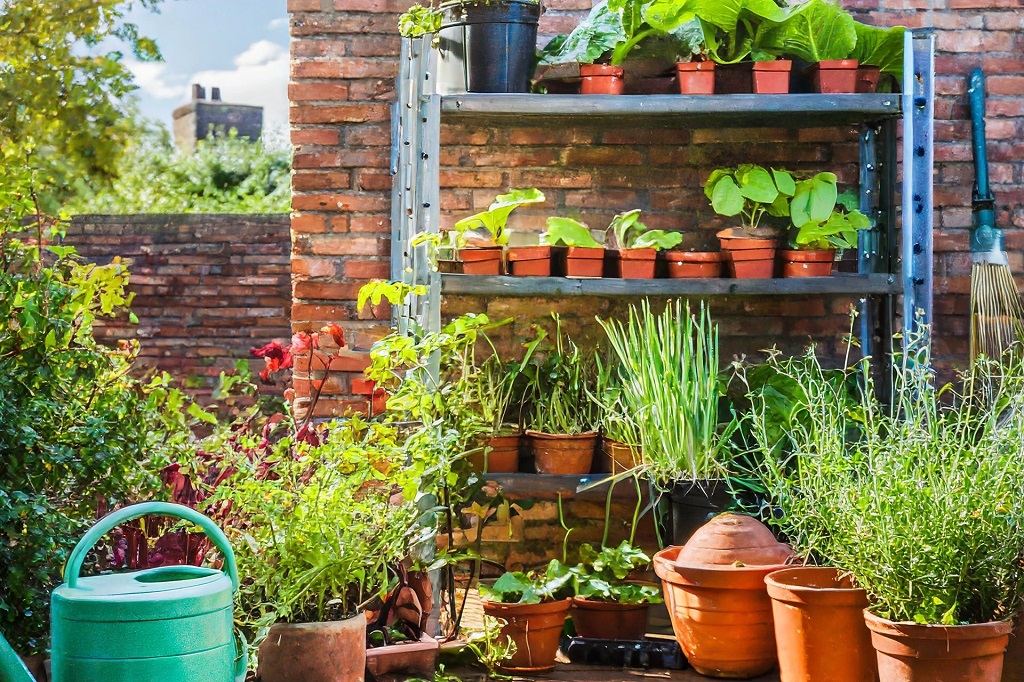
Gardening isn’t just good for the planet—it’s healing for the soul. Urban dwellers, often trapped in high-stress, high-density environments, are turning to plants for peace.
Multiple studies, including one from the Journal of Health Psychology, confirm that daily gardening reduces cortisol levels and improves mood. A 2025 survey by The American Psychological Association found that 61% of gardeners reported lower anxiety and better sleep.
Moreover, gardening fosters mindfulness, patience, and responsibility—traits that are increasingly rare in fast-paced digital lives.
Community Gardens: Green Hubs in Urban Jungles
In 2025, community gardens are flourishing across cities. Abandoned lots, unused sidewalks, and schoolyards are being transformed into shared food forests.
These spaces build more than vegetables—they build community. Neighbors meet, collaborate, and trade tips. Food deserts get fresh options. Kids learn where food comes from. Elderly residents stay active.
In Detroit, for example, the nonprofit Keep Growing Detroit has empowered over 25,000 residents to grow their own produce. In turn, crime rates have dropped in neighborhoods with active garden spaces, according to the University of Michigan.
Of course, land access remains a challenge. Gentrification threatens long-term garden viability. That’s why legal protections, land trusts, and policy reform are vital to secure these spaces for future generations.
Sustainability Meets Aesthetic: The Rise of Edible Landscaping
Gardens aren’t just functional anymore—they’re fashionable. Urbanites are embracing edible landscaping, where beauty and bounty blend seamlessly.
Think kale borders, rosemary hedges, and trellises dripping with cucumbers. Edible flowers like nasturtiums and violets add color and culinary flair.
Landscape designers are cashing in. The global edible landscaping market is projected to hit $12.4 billion by 2027, with urban consumers leading the charge.
This shift reflects a broader trend: people want purpose-driven beauty. Lawns are out. Living, edible art is in.
Featured Snippet: What’s Driving the Urban Gardening Boom in 2025?
Urban gardening is booming in 2025 due to rising food costs, environmental concerns, and a craving for self-reliance. City residents are transforming balconies, rooftops, and even fire escapes into productive green spaces. Technological innovations like smart irrigation and hydroponics make urban farming more efficient and accessible. In addition, governments are offering incentives for green roofs and local food initiatives. The emotional benefits—reduced stress, community connection, and a sense of purpose—further fuel the trend. Ultimately, urban gardening meets multiple modern needs: sustainability, wellness, and food security, all in one satisfying, hands-on activity.
FAQs About Urban Gardening Trends in 2025
Can I start an urban garden without a backyard?
Absolutely. Micro-gardens, vertical planters, and hydroponic setups make gardening possible in any small space.
Is rooftop gardening expensive to start?
It depends. Basic rooftop beds can cost under $500. Advanced systems with irrigation may go higher.
Do I need gardening experience?
No. Many urban gardeners start with zero knowledge. Apps, kits, and online communities offer instant support.
What are the best plants for beginners?
Start with herbs, lettuce, cherry tomatoes, and radishes. They’re fast-growing and low-maintenance.
Are there any legal restrictions on rooftop gardening?
Some cities have zoning laws or structural requirements. Always check with your local building authority first.
Can urban gardens really help with climate change?
Yes. They reduce heat islands, lower emissions, and cut food miles significantly.
What if I don’t have time to garden?
Try low-maintenance options like self-watering containers or join a community garden where tasks are shared.
Final Thought
The urban gardening revolution in 2025 is more than a passing trend—it’s a lifestyle transformation. From tiny windowsills to expansive rooftops, people are reclaiming their right to grow, eat, and live sustainably in the heart of the city.
This movement is democratizing food access, strengthening communities, and greening our grayest spaces.
So whether you’ve got a balcony, a rooftop, or just a sunny corner, now is the time to dig in.
Related Topic: Toilet Seat Hinge Replacement
Start small. Grow smart. Harvest big.
Call to Action:
Ready to join the green revolution? Subscribe for expert gardening tips, exclusive rooftop garden blueprints, and monthly seed giveaways. Grow with us—your urban oasis awaits.
References: