

Clogged drains can disrupt daily life, turning simple tasks like washing dishes or showering into frustrating ordeals. In Phoenix, where hard water and desert debris often contribute to plumbing issues, keeping pipes clear is essential. This guide explores practical, reliable solutions to maintain clog-free drains, offering Phoenix homeowners actionable tips to tackle and prevent blockages. From natural remedies to professional techniques, we’ll educate you on effective methods, demonstrate their application, and fascinate you with insights into plumbing science. Whether you’re dealing with a slow drain or aiming to prevent future clogs, this post provides everything you need to keep your Phoenix pipes unplugged and flowing smoothly.
Understanding Common Causes of Clogged Drains in Phoenix
Drains in Phoenix homes often clog due to unique environmental and household factors. Hard water, prevalent in Arizona, leaves mineral deposits that narrow pipes over time. According to a 2023 USGS study, 85% of Phoenix’s water supply has moderate to high hardness, contributing to buildup. Grease, hair, soap scum, and food particles also accumulate, especially in kitchen and bathroom sinks. Desert debris like sand or dust can enter drains, worsening blockages. Understanding these causes helps homeowners choose the right solutions.
For example, my kitchen sink once drained slowly due to grease buildup from cooking. After trying a store-bought chemical cleaner without success, I learned that Phoenix’s hard water had compounded the issue. This experience taught me the importance of addressing clogs early and using methods suited to local conditions. By identifying the root cause, you can select effective remedies and prevent recurring issues, saving time and money.
Natural Remedies for Clearing Minor Drain Clogs
Natural solutions are safe, eco-friendly ways to tackle minor clogs. A popular method is the baking soda and vinegar mix. Pour half a cup of baking soda into the drain, followed by half a cup of white vinegar. Let it sit for 15–30 minutes as the chemical reaction breaks down organic matter like grease or soap scum. Flush with hot (not boiling) water to clear debris. This method is gentle on pipes and avoids harsh chemicals.
Another option is hot water mixed with dish soap. Boil a pot of water, add a few tablespoons of dish soap, and pour it slowly into the drain. The heat melts grease, while soap cuts through residue. According to a 2024 EPA report, chemical-free methods like these reduce pipe corrosion by 30% compared to commercial cleaners. These remedies work best for early-stage clogs, but persistent blockages may require stronger tools. Always test natural methods first to protect your plumbing.
Using Plungers Effectively for Stubborn Blockages
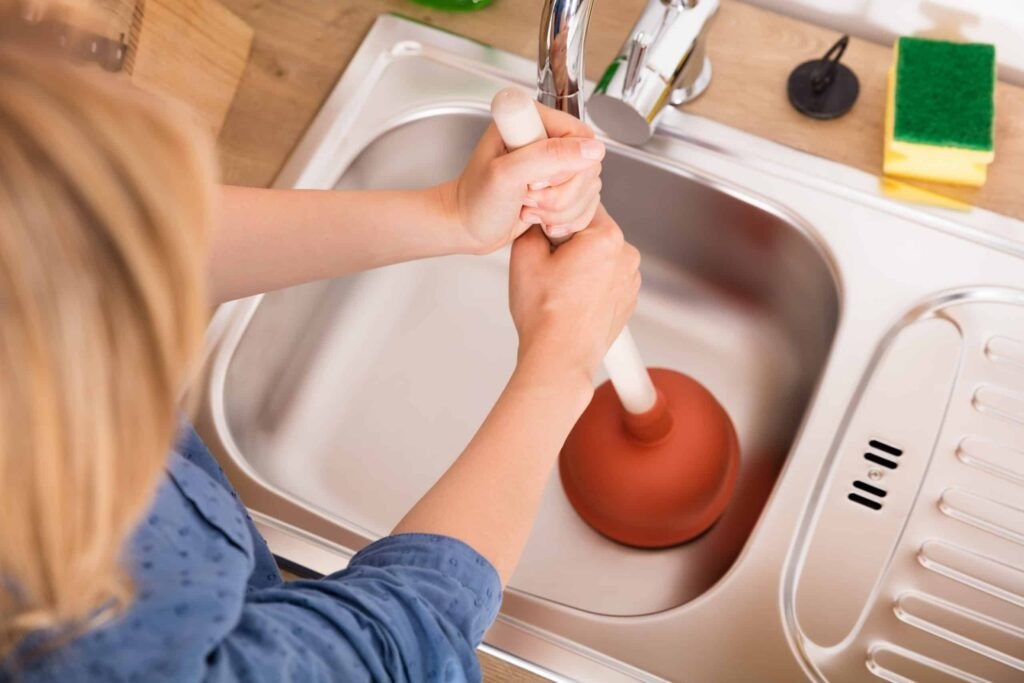
Plungers are a go-to tool for stubborn clogs, especially in sinks and toilets. For sinks, use a flat-bottom plunger, not a flanged one meant for toilets. Fill the sink with enough water to cover the plunger’s cup, ensuring a tight seal. Press firmly over the drain and plunge vigorously for 30 seconds. The suction dislodges debris, restoring flow. For double sinks, seal the second drain with a cloth to focus pressure.
In my bathroom, a plunger cleared a shower drain clogged with hair after natural remedies failed. The key was consistent, rhythmic plunging to build pressure. Plungers are effective for blockages near the drain opening but may not reach deep clogs. If water still drains slowly after several attempts, consider a drain snake or professional help. Regular plunging can also prevent buildup, keeping your Phoenix pipes unplugged.
Tips for Effective Plunging
- Use the Right Plunger: Flat-bottom for sinks, flanged for toilets.
- Create a Seal: Submerge the plunger in water for maximum suction.
- Plunge Rhythmically: Consistent motion builds pressure to dislodge clogs.
- Seal Secondary Drains: Use a cloth or stopper in double sinks.
- Clean After Use: Rinse the plunger to avoid spreading debris.
Snaking Your Way to Clear Phoenix Pipes
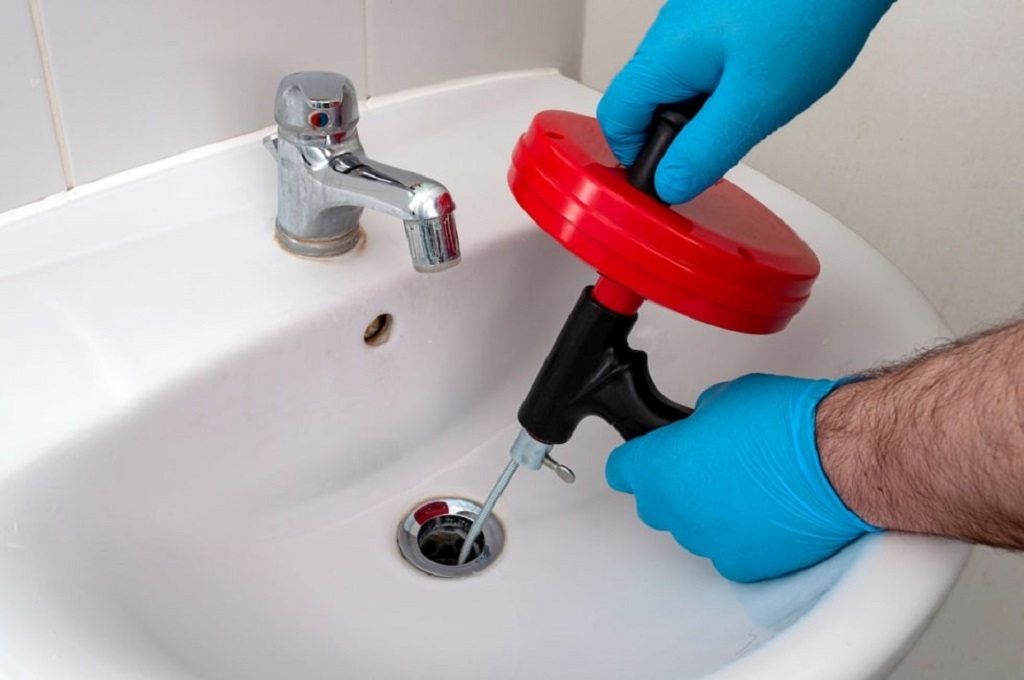
For deeper clogs, a drain snake (or auger) is highly effective. Insert the snake’s coiled end into the drain until it hits resistance, then rotate the handle clockwise to break up or hook the blockage. Pull it out slowly to remove debris. For bathtub drains, access the overflow opening for a straighter path. Snakes reach clogs plungers can’t, like hair or grease lodged far down the pipe.
I once used a drain snake on a kitchen drain clogged with food scraps. It took patience, but twisting the snake dislodged the blockage in minutes. Hardware stores sell affordable manual snakes, or you can rent motorized ones for tougher jobs. However, improper use can damage pipes, so proceed carefully. If snaking fails, it may indicate a deeper issue, like tree roots, common in Phoenix’s older homes.
Preventing Clogs with Routine Maintenance
Prevention is key to keeping drains clog-free. Regularly flush drains with hot water to dissolve grease and debris. Once a month, use a baking soda and vinegar mix for maintenance, followed by a hot water rinse. Install drain screens to catch hair and food particles, especially in bathrooms and kitchens. Avoid pouring grease, coffee grounds, or non-flushable items like wipes down drains.
In Phoenix, hard water accelerates buildup, so consider a water softener to reduce mineral deposits. Regular maintenance reduces the need for emergency repairs. For instance, I started using drain screens after multiple clogs, and my sink issues dropped significantly. Schedule professional inspections every two years to catch hidden problems, like pipe corrosion, ensuring your plumbing stays in top shape.
Common Clog-Causing Mistakes to Avoid
- Dumping Grease: Solidifies in pipes, causing blockages.
- Flushing Non-Flushables: Wipes and sanitary products clog toilets.
- Ignoring Slow Drains: Early signs of buildup lead to bigger issues.
- Using Chemical Cleaners: Can corrode pipes over time.
- Neglecting Maintenance: Skipping regular cleaning invites clogs.
When to Call a Professional Plumber in Phoenix
Some clogs require professional expertise, especially deep blockages or recurring issues. Signs include multiple slow drains, gurgling noises, or sewage odors, indicating a main line problem. In Phoenix, tree roots often invade older pipes, causing persistent clogs. Professional plumbers use tools like hydro-jetting, which blasts high-pressure water to clear buildup, or pipe cameras to diagnose issues.
Last year, my home’s main drain backed up, affecting multiple fixtures. A plumber used a camera to find tree roots and cleared them with hydro-jetting, saving me from costly repairs. Professionals also offer preventative services, like enzymatic cleaners, to break down organic matter safely. If DIY methods fail after two attempts, contact a licensed plumber to avoid pipe damage. Check trusted services like Mr. Rooter Plumbing for reliable help.
The Science Behind Clog-Free Drains
Plumbing science explains why clogs form and how solutions work. Hard water deposits calcium and magnesium, narrowing pipes. Grease and soap scum adhere to these rough surfaces, trapping debris. Baking soda and vinegar create a fizzing reaction that breaks down organic matter, while hot water melts grease by raising its temperature above 32°C, its solidification point.
Hydro-jetting, used by professionals, applies water at 3,000–4,000 PSI to scour pipes clean. This method removes buildup without chemicals, preserving pipe integrity. Understanding these principles fascinates and empowers homeowners to choose effective methods. For example, knowing grease solidifies below 32°C helped me avoid pouring it down the drain. Combining science with practical tips ensures your Phoenix pipes stay unplugged and efficient.
Conclusion
Maintaining clog-free drains in Phoenix requires understanding local challenges like hard water and desert debris. Natural remedies like baking soda and vinegar, tools like plungers and snakes, and regular maintenance can prevent most blockages. For stubborn or deep clogs, professional plumbers offer advanced solutions like hydro-jetting. By applying these sizzling solutions, you can keep your pipes unplugged and your home running smoothly. Share your clog-busting tips in the comments or pass this guide to others facing drain issues!
Related Topics: Toilet Seat Hinge Replacement
FAQs
How Can I Tell If My Drain Is Clogged?
Slow drainage, gurgling noises, or foul odors indicate a clog. Check multiple fixtures to determine if it’s a single drain or main line issue.
Are Chemical Drain Cleaners Safe for Phoenix Pipes?
Chemical cleaners can corrode pipes, especially with frequent use. Opt for natural remedies or professional services to protect your plumbing.
How Often Should I Clean My Drains?
Flush drains monthly with hot water or a baking soda-vinegar mix. Schedule professional inspections every two years for optimal maintenance.
Can Hard Water Cause Clogs in Phoenix?
Yes, hard water deposits minerals that narrow pipes, trapping debris. A water softener can reduce buildup and prevent clogs.
When Should I Call a Plumber for a Clog?
Call a plumber if DIY methods fail, multiple drains are slow, or you notice sewage odors, indicating a deeper issue.