
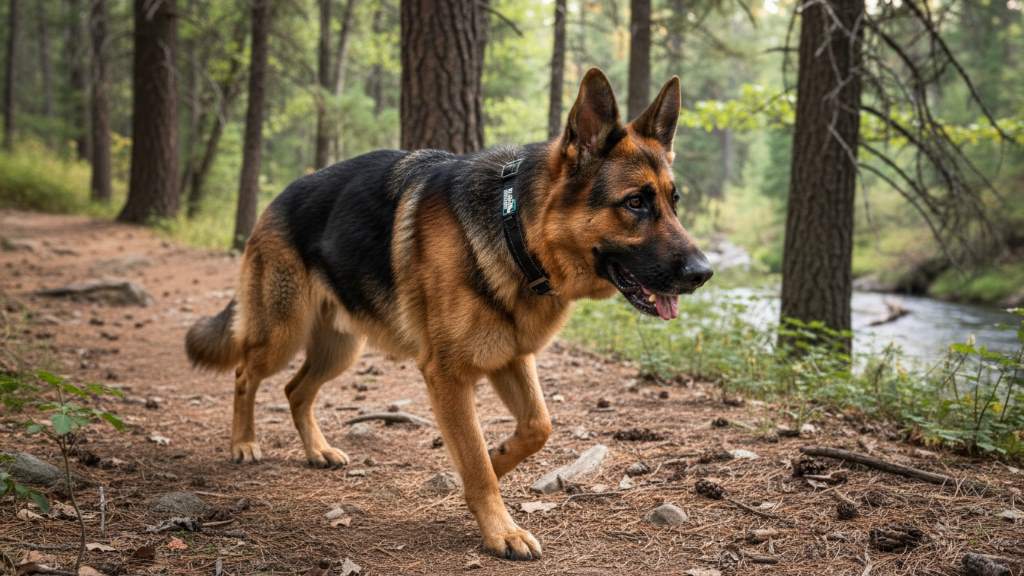

Imagine your big furry friend bounding through the park, full of energy and strength. Yet, that same power raises questions about the right gear to keep them safe and comfortable. Owners of large dogs often wonder if a nylon dog collar offers the best choice for daily walks and adventures. This article explores that very idea, focusing on durability, comfort, and real-world performance. According to the American Kennel Club, over 40 percent of U.S. households own dogs, with large breeds making up a significant portion. Meanwhile, a study from the Ryder Safe Foundation estimates around 26,000 collar-related accidents happen each year, highlighting the need for reliable options. Let’s dive into whether nylon fits the bill for your powerful pup.
Understanding Large Dogs and Their Collar Needs
Large dogs bring unique challenges to collar selection. Breeds like German Shepherds, Rottweilers, and Labrador Retrievers possess strong builds and high energy levels. Consequently, their collars must withstand pulling and rough play. Moreover, comfort plays a key role since these dogs spend hours wearing them. For instance, a poorly fitted collar can lead to chafing or restricted movement. Therefore, owners prioritize materials that balance toughness with ease.
Additionally, large dogs often engage in outdoor activities. They hike trails, swim in lakes, or romp in yards. As a result, collars face exposure to water, mud, and dirt. In fact, many owners report frequent replacements due to wear. However, choosing the right material reduces this hassle. Overall, the ideal collar supports their active lifestyle while ensuring safety.
Why Consider Nylon for Dog Collars?
Nylon stands out as a popular material for dog collars. Manufacturers craft it from synthetic fibers known for strength. Besides, it resists stretching under pressure. Thus, it suits large dogs that pull during walks. Furthermore, nylon dries quickly after getting wet. This feature proves handy for dogs who love water play.
On top of that, nylon collars come in various colors and designs. Owners can pick vibrant options that match their pet’s personality. Nevertheless, the material’s lightweight nature prevents added bulk. So, your dog moves freely without feeling weighed down. In summary, nylon offers versatility for everyday use.
Pros of Nylon Dog Collars for Large Dogs
Nylon collars provide several advantages for big breeds. First, their durability handles intense activity. For example, during a vigorous game of fetch, the collar stays intact. Additionally, nylon repels water effectively. Therefore, it prevents mold buildup after rainy outings.
Moreover, these collars adjust easily to fit growing dogs. Owners appreciate the simple buckle systems. Besides, reflective stitching enhances visibility at night. As a result, evening walks become safer. Furthermore, nylon’s flexibility avoids rigid pressure on the neck. Thus, it reduces irritation over time.
Another benefit involves easy cleaning. Simply wipe down with soap and water. Consequently, maintenance takes minimal effort. In addition, nylon collars resist fading from sun exposure. So, they keep looking fresh longer. Overall, these perks make nylon a solid choice for active large dogs.
Cons of Nylon Dog Collars for Large Dogs
Despite the upsides, nylon collars have drawbacks. One issue arises with potential fraying over extended use. Although rare, edges can wear if chewed. Therefore, supervision helps prevent this. Additionally, some dogs experience skin sensitivity to synthetic materials. In such cases, rashes might develop.
Furthermore, nylon absorbs odors more than natural fabrics. As a result, frequent washing becomes necessary. Besides, in extreme heat, the material might feel sticky. Thus, it could cause discomfort during summer activities. Moreover, while strong, nylon lacks the premium feel of leather. So, owners seeking luxury might look elsewhere.
Nevertheless, these cons vary by brand and quality. High-end options minimize issues. In fact, many users report no problems with proper care. Ultimately, weighing pros against cons guides the decision.
Comparing Nylon to Other Collar Materials
Nylon competes with materials like leather and cotton. Leather offers a classic look and ages well. However, it requires conditioning to stay supple. On the other hand, nylon excels in wet conditions. For instance, leather might crack if soaked repeatedly.
Cotton provides breathability for hot climates. Yet, it absorbs moisture and takes longer to dry. Consequently, nylon suits all-weather use better. Besides, synthetic options often include added features like padding. Therefore, they enhance comfort for large dogs.
Biothane emerges as another alternative. It mimics leather but resists water like nylon. Nevertheless, nylon remains more accessible. In summary, each material fits different needs. Nylon shines for durability and convenience.
Key Features of the Black Rhino Dog Collar
The Black Rhino stands as a prime example of a durable nylon dog collar. Designers build it with heavy-duty webbing. Additionally, neoprene padding lines the inside for softness. As a result, it cushions the neck during pulls.
Moreover, reflective stitching boosts safety in low light. Owners note visibility from over 600 feet. Furthermore, metal hardware includes a quick-release buckle. Thus, it secures firmly yet releases easily. Besides, a welded steel D-ring attaches leashes without fail.
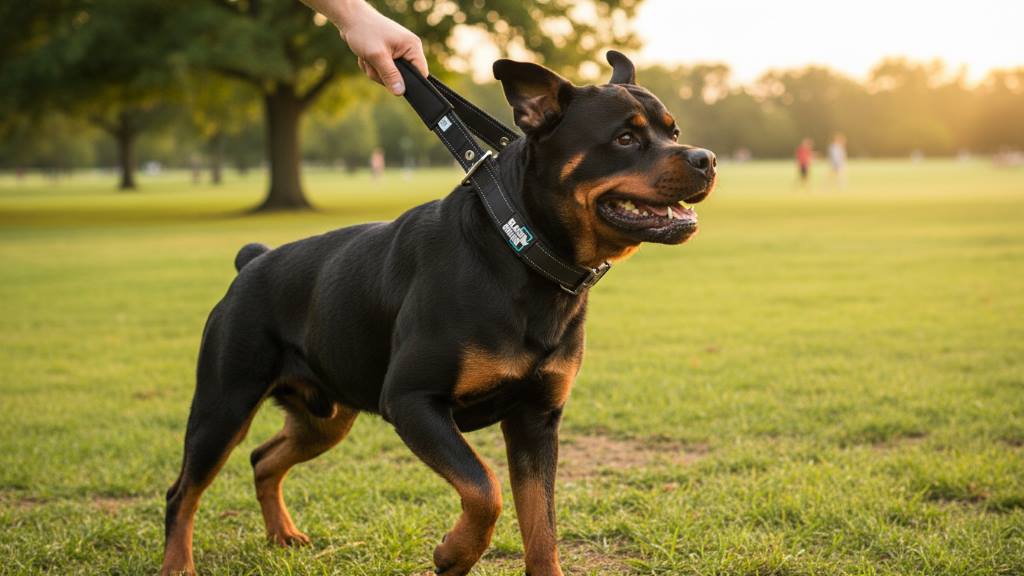
Another standout involves the control handle. This padded grip aids in close management. For large dogs, it proves invaluable during training. In addition, the collar resists weather elements. So, it performs in rain, snow, or mud. Overall, these features target active breeds.
How the Black Rhino Performs for Large Dogs
Large dogs test collars rigorously. The Black Rhino holds up under pressure. For example, an 85-pound German Shepherd wore it through muddy trails. After six months, minimal wear appeared. Consequently, it maintained shape and function.
Additionally, the padding prevents chafing on sensitive skin. Users report no hot spots even after long hikes. Besides, the adjustable fit accommodates neck sizes up to 26 inches. Therefore, it suits breeds like Rottweilers weighing up to 150 pounds.
Furthermore, the reflective elements shine during night walks. One owner shared a story of spotting their dog from afar. As a result, accidents decreased. Moreover, the quick-release works smoothly. So, emergency removals happen without struggle. In essence, it delivers reliability for big pups.
User Experiences with the Black Rhino Collar
Real stories highlight the Black Rhino’s value. A Rottweiler owner praised its longevity. After eight months of daily use, no stretching occurred. Additionally, the color stayed vibrant despite mud baths.
Another user with a Labrador noted easy cleaning. They rinsed it after beach trips, and it dried fast. Besides, the control handle helped during vet visits. As a result, handling became less stressful.
Furthermore, feedback mentions comfort for all-day wear. Dogs showed no signs of irritation. Nevertheless, proper sizing matters. One reviewer adjusted it perfectly for a growing pup. Overall, positive experiences dominate.
Safety Considerations for Nylon Collars on Large Dogs
Safety ranks high for large dog owners. Nylon collars reduce risks when chosen wisely. First, ensure a snug fit. Two fingers should slip underneath comfortably. Consequently, it avoids slippage or tightness.
Moreover, check for breakaway features in play areas. Although not standard on nylon, some models include them. Besides, supervise during rough play. This prevents entanglements.
According to veterinary data, pulling on collars can cause neck strain. Therefore, pair with harnesses for strong pullers. Furthermore, inspect regularly for damage. Replace if fraying appears. In this way, you maintain safety.
Training Tips with Nylon Collars for Large Dogs
Nylon collars aid in training large breeds. Start with positive reinforcement. Reward calm walking to reduce pulling. Additionally, use the control handle for guidance.
Furthermore, introduce the collar gradually. Let your dog wear it indoors first. As a result, they adjust without resistance. Besides, combine with treats during sessions.
One effective method involves short walks. Build duration over time. Consequently, your dog learns proper behavior. Moreover, consistency pays off. Train daily for best results. Overall, nylon supports effective training.
Maintaining Your Nylon Dog Collar
Proper care extends a nylon collar’s life. Rinse after dirty outings. Use mild soap for stubborn spots. Additionally, air dry to prevent shrinkage.
Furthermore, store away from direct sun. This preserves color and strength. Besides, avoid machine washing unless specified. Heat can damage hardware.
Regular checks spot issues early. Tighten loose parts as needed. As a result, the collar stays functional. In summary, simple maintenance keeps it reliable.
Environmental Impact of Nylon Dog Collars
Nylon production involves synthetics. Yet, some brands use recycled materials. Consequently, they reduce waste. Additionally, durable designs mean fewer replacements.
Furthermore, biodegradable options emerge. These break down faster than traditional nylon. Besides, choosing quality lowers consumption.
Owners can recycle old collars. Many programs accept pet gear. As a result, it minimizes landfill impact. Overall, mindful choices benefit the planet.
Customizing Nylon Collars for Large Dogs
Personalization adds fun to nylon collars. Engrave tags with contact info. Additionally, select colors that suit your dog’s coat.
Furthermore, add charms or bells for style. Besides, some collars allow embroidery. This creates unique looks.
For large dogs, ensure additions don’t add weight. Consequently, comfort remains key. In this manner, customization enhances appeal.
Common Myths About Nylon Dog Collars
Myths surround nylon collars. One claims they cause allergies always. However, quality versions use hypoallergenic linings. Additionally, not all fray quickly.
Furthermore, some think nylon lacks strength. Yet, military-grade types prove otherwise. Besides, proper use dispels durability doubts.
Another myth involves heat retention. In reality, breathable designs keep dogs cool. As a result, facts clarify misconceptions.
Integrating Nylon Collars into Daily Routines
Incorporate nylon collars seamlessly. Use for walks and play. Additionally, remove during crate time if needed.
Furthermore, rotate with harnesses for variety. Besides, monitor your dog’s response. Adjust as necessary.
Over time, it becomes second nature. Consequently, routines flow smoothly. In essence, integration boosts effectiveness.
Expert Opinions on Nylon for Large Dogs
Veterinarians recommend nylon for its resilience. They note it handles large breeds’ power. Additionally, trainers praise adjustability.
Furthermore, groomers appreciate easy cleaning. Besides, behaviorists suggest padded options for comfort.
Studies support these views. For instance, research shows reduced injuries with proper materials. Overall, experts endorse nylon.
Case Studies: Nylon Collars in Action
Consider a rescue German Shepherd. His owner chose nylon for hikes. After months, no wear showed. Additionally, it withstood rough terrain.
Another case involved a Labrador in agility training. The collar’s grip aided control. Besides, reflective features ensured safety.
Furthermore, a Rottweiler family used them daily. Durability impressed them. As a result, they recommended to friends. These stories illustrate real benefits.
Future Trends in Dog Collar Design
Innovations shape collar futures. Smart tech integrates GPS. Additionally, eco-friendly nylons gain traction.
Furthermore, customizable fits use 3D printing. Besides, antimicrobial coatings prevent bacteria.
For large dogs, stronger weaves emerge. Consequently, safety improves. In summary, trends promise better options.
Conclusion
Nylon dog collars offer strength, comfort, and versatility for large dogs. The Black Rhino exemplifies these qualities with its padding, reflective stitching, and durable build. While alternatives exist, nylon suits active lifestyles well. Pros like water resistance outweigh minor cons for many owners. Ultimately, it provides reliable performance. Now, assess your dog’s needs and try a durable nylon dog collar today.
FAQs
What makes nylon collars suitable for large dogs?
Nylon collars handle pulling and activity due to their strength. They adjust easily and resist weather. Padding adds comfort for all-day wear.
How does the Black Rhino collar compare to basic nylon options?
The Black Rhino features neoprene padding and metal hardware. It offers better durability and safety elements. Users find it superior for large breeds.
Can nylon collars cause skin issues in dogs?
Quality nylon rarely irritates skin. Choose padded versions to minimize risks. Monitor for reactions and switch if needed.
Why include reflective stitching in dog collars?
Reflective stitching improves visibility at night. It reduces accident risks during walks. Many owners value this for safety.
How often should I replace a nylon dog collar?
Inspect regularly for wear. Replace if damage appears. With care, high-quality ones last over a year.
References