

Excess moisture in your garage can damage tools, rust metal surfaces, and create an unpleasant musty smell. However, you don’t need expensive equipment to solve this problem. Many budget-friendly methods can effectively reduce humidity and protect your belongings. This guide will show you practical ways to dehumidify your garage without breaking the bank.
Understanding Why Your Garage Gets Humid
Garages often trap moisture because they lack proper ventilation and insulation. Additionally, concrete floors naturally absorb water from the ground. When you park a wet car inside, the moisture evaporates and increases humidity levels. Temperature changes also cause condensation on cold surfaces.
Furthermore, many garages connect directly to the house but have minimal climate control. This creates an environment where humidity builds up quickly. Understanding these causes helps you choose the right solutions.
Improve Ventilation to Reduce Moisture
Good airflow is your first line of defense against humidity. Opening windows and doors on dry days allows fresh air to circulate. This simple step costs nothing and makes a significant difference.
Additionally, installing vents near the ceiling helps hot, humid air escape naturally. Roof vents or gable vents work particularly well. You can find affordable vent kits at most hardware stores.
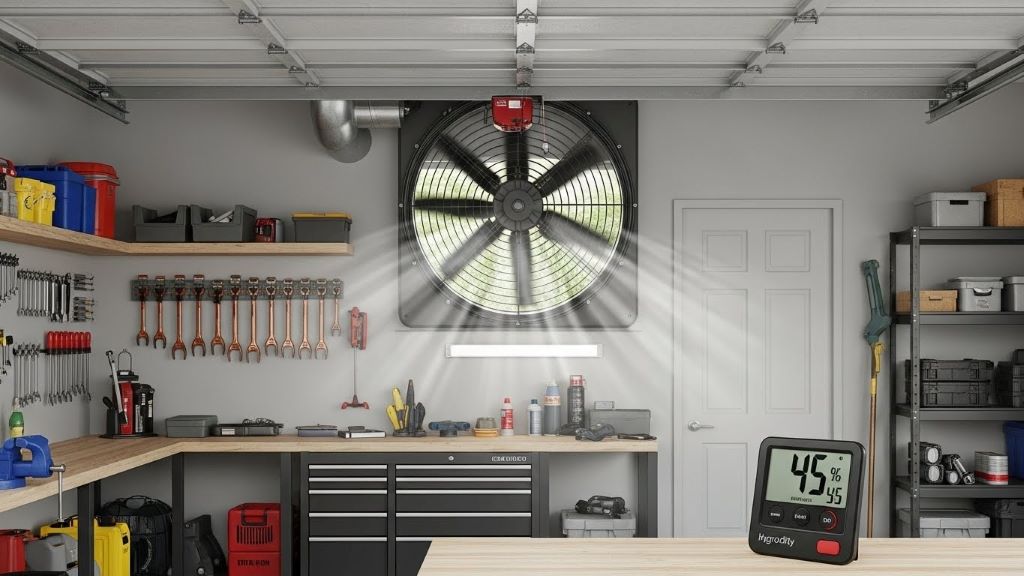
Moreover, using fans accelerates air movement. A basic box fan positioned near an open door creates cross-ventilation. Run the fan during warm afternoons when outdoor humidity is lower. This pushes damp air out while drawing drier air in.
Seal Cracks and Gaps in Your Garage
Air leaks allow humid outdoor air to enter your garage. Therefore, sealing these openings prevents moisture from getting inside. Check around doors, windows, and wall penetrations for gaps.
Weatherstripping is an inexpensive solution for door and window gaps. You can apply it yourself in just a few minutes. Furthermore, caulk works well for sealing small cracks in walls and around pipes.
Don’t forget the garage door. The bottom seal often wears out over time. Replacing it costs less than twenty dollars and significantly reduces moisture infiltration. This investment pays off by keeping your garage drier year-round.
Use Natural Desiccants to Absorb Moisture
Desiccants are materials that naturally absorb water from the air. Several budget-friendly options work effectively in garages.
Calcium chloride is one of the most powerful moisture absorbers. You can buy it in bulk at hardware stores. Place it in open containers or breathable bags around your garage. However, remember to replace it once it becomes saturated with water.
Additionally, silica gel packets offer another affordable option. Collect the small packets that come with shoes and electronics. Place multiple packets in toolboxes, cabinets, and storage bins to protect items from dampness.
Baking soda also absorbs moisture and eliminates odors. Fill shallow containers with baking soda and position them throughout the garage. Replace the baking soda every few months for continued effectiveness.
Create a DIY Dehumidifier
You can make a simple dehumidifier using items from your local store. This project costs just a few dollars and works surprisingly well.
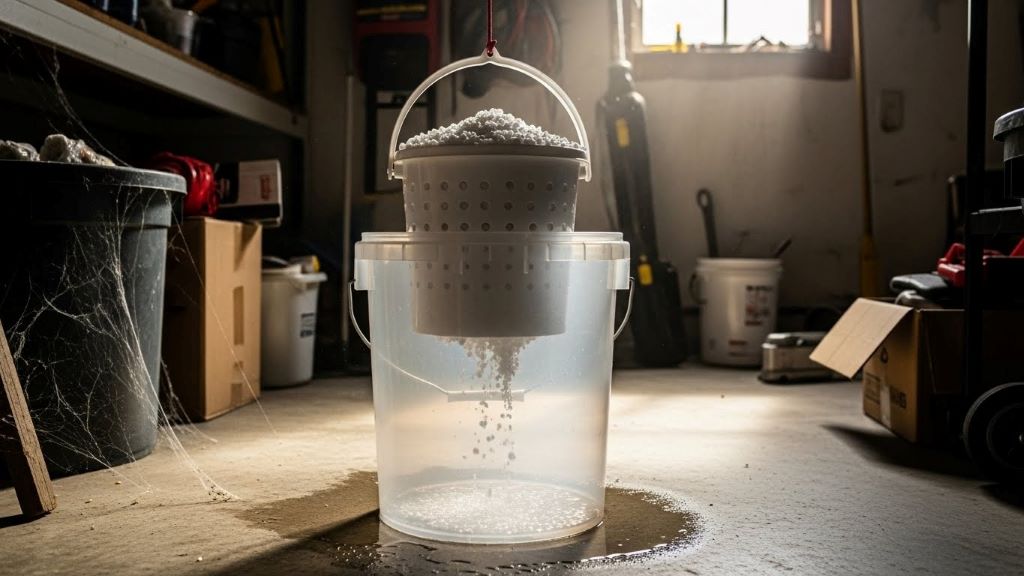
Take two five-gallon buckets. Drill small holes in the bottom of one bucket. Fill this bucket with calcium chloride or rock salt. Place it inside the second bucket, which will collect the water that drips down.
The calcium chloride pulls moisture from the air. As it absorbs water, the liquid drips into the bottom bucket. Empty this container regularly. This homemade solution works especially well in smaller garages or specific problem areas.
Install a Vapor Barrier on Concrete Floors
Concrete floors allow ground moisture to seep into your garage. Therefore, applying a vapor barrier helps block this water source. According to Family Handyman, proper concrete treatment significantly reduces moisture problems.
Epoxy paint serves as an affordable vapor barrier. It costs between fifty and one hundred dollars for enough paint to cover a standard garage floor. The paint seals the concrete surface and prevents moisture from rising through it.
Additionally, consider using concrete sealers designed specifically for moisture control. These products penetrate deeper than paint. Apply them according to the manufacturer’s instructions for best results.
Control Indoor Moisture Sources
Sometimes the humidity problem starts inside your garage. Taking control of these sources prevents excess moisture buildup.
Avoid storing wet items in the garage. Let snow-covered equipment dry outside before bringing it in. Similarly, wipe down your car after driving in rain or snow. This simple habit reduces the amount of water evaporating in your garage.
Furthermore, check for plumbing leaks. Even small drips add significant moisture over time. Fix any leaks promptly to keep humidity levels down.
Store firewood outside rather than in the garage. Wood releases moisture as it dries. Keeping it outdoors eliminates this humidity source entirely.
Use Plants That Absorb Humidity
Certain plants naturally remove moisture from the air. While this method works slowly, it costs very little and adds a decorative touch.
Peace lilies, Boston ferns, and English ivy all absorb humidity through their leaves. Place several plants around your garage for a natural dehumidifying effect. However, make sure your garage has adequate light for plant growth.
Additionally, these plants improve air quality by filtering pollutants. This dual benefit makes them an attractive option for garages that double as workshops.
Insulate Your Garage Properly
Insulation helps regulate temperature and reduces condensation. Therefore, adding basic insulation can significantly lower humidity levels.
Foam board insulation offers an affordable solution. You can install it yourself without professional help. Focus on insulating the garage door first, as this is often the largest source of temperature fluctuations.
Additionally, insulating walls and ceilings prevents warm, humid air from condensing on cold surfaces. According to This Old House, proper garage insulation provides numerous benefits beyond moisture control.
However, don’t seal the garage too tightly without ensuring adequate ventilation. Balance insulation with good airflow for optimal results.
Monitor Humidity Levels Regularly
Knowing your garage’s humidity levels helps you understand whether your efforts are working. Hygrometers measure humidity and cost less than fifteen dollars.
Place a hygrometer in your garage to track changes over time. Ideally, humidity should stay below 50 percent. If levels remain high despite your efforts, you may need to combine multiple methods.
Additionally, check the hygrometer during different seasons. Humidity naturally fluctuates throughout the year. This information helps you adjust your dehumidifying strategies accordingly.
Maintain Your Dehumidifying System
Whatever methods you choose, regular maintenance ensures continued effectiveness. Therefore, develop a simple routine to keep your garage dry.
Check and replace desiccants monthly. Empty DIY dehumidifiers regularly to prevent overflow. Clean vents and fans to maintain proper airflow.
Furthermore, inspect weatherstripping and seals annually. Replace worn materials promptly. This preventive maintenance costs little but saves you from bigger problems later.
Conclusion
Dehumidifying your garage doesn’t require expensive equipment or professional services. By improving ventilation, sealing air leaks, and using natural desiccants, you can effectively control moisture levels. Additionally, homemade dehumidifiers and vapor barriers offer affordable long-term solutions. Monitor humidity regularly and maintain your chosen methods for best results. These budget-friendly approaches protect your belongings, prevent rust and mold, and create a more pleasant garage environment.
Frequently Asked Questions
What is the ideal humidity level for a garage?
The ideal humidity level for a garage is between 30 and 50 percent. This range prevents rust, mold growth, and damage to stored items. Use a hygrometer to monitor levels and adjust your dehumidifying methods accordingly.
How often should I replace desiccants in my garage?
Replace desiccants when they become saturated, typically every 4 to 8 weeks depending on humidity levels. Calcium chloride turns into liquid when saturated, while silica gel changes color. Check containers monthly to determine when replacement is needed.
Can I use a portable dehumidifier in an unheated garage?
Most portable dehumidifiers don’t work well in temperatures below 65 degrees Fahrenheit. However, some models are designed for cooler environments. Check the manufacturer’s specifications before purchasing. In cold climates, focus on ventilation and desiccants instead.
Does parking a wet car in the garage increase humidity significantly?
Yes, parking a wet car can substantially increase garage humidity. Water evaporates from the car’s surface and adds moisture to the air. Wipe down your vehicle or let it air dry outside before parking it in the garage to minimize this problem.
Will dehumidifying my garage help prevent rust on tools?
Absolutely. Lower humidity levels significantly reduce rust formation on metal tools and equipment. Keep humidity below 50 percent and store tools in sealed containers with desiccants for maximum protection. Regular maintenance of your dehumidifying system ensures long-term rust prevention.
Related Topics:
The Ultimate Garage Organization Challenge: Conquer the Chaos in 30 Days!
Revamp Garage: 10 Stylish (and Smart) Organization Ideas