

Every homeowner faces a leaky faucet or a slow drain at some point. Calling a plumber every time can be expensive. Therefore, learning to handle basic repairs yourself is a smart move. However, knowing where to start can feel overwhelming. The right tools make all the difference. This guide will help you choose the best beginner-friendly plumbing tools so you can tackle common home repairs with confidence.
You do not need a professional-grade toolbox right away. Instead, focus on building a solid foundation. Once you understand which tools do what, shopping becomes much easier. Additionally, you will save money by handling small jobs on your own.
Why Choosing the Right Tools Matters
Plumbing may seem complex, but most household issues are surprisingly simple to fix. A dripping tap, a running toilet, or a blocked drain are all tasks a beginner can manage. However, using the wrong tool can make the job harder — or even cause damage.
Choosing the right tools from the start means you work safely and efficiently. It also builds your confidence over time. Therefore, before you buy anything, understand what types of repairs you are most likely to face. Most common home plumbing problems involve pipes, drains, toilets, and faucets. Your tools should match these areas.
Start with the Basics: Core Tools Every Beginner Needs
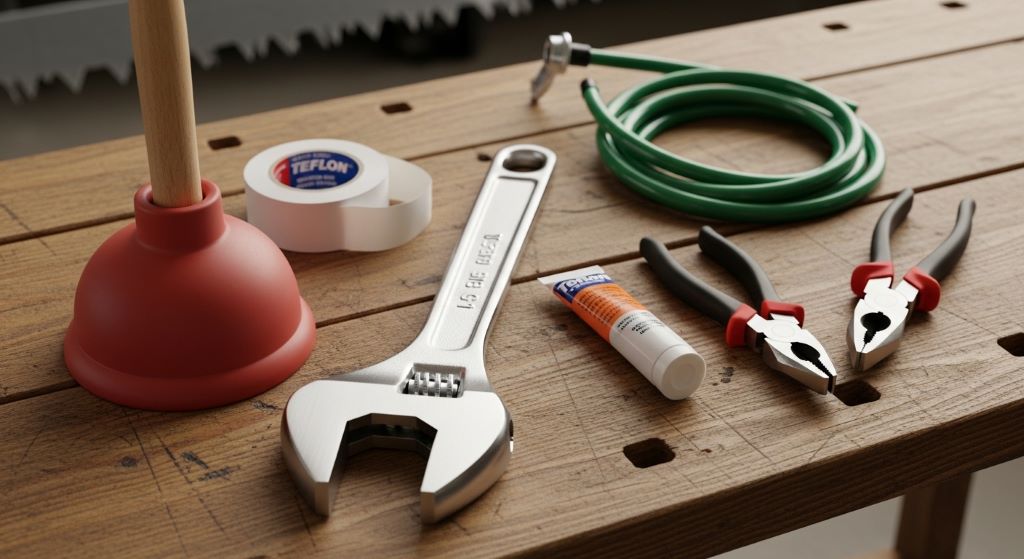
When putting together a starter tool kit plumbing beginners can rely on, there are several essential items to consider. These are the tools that handle the widest range of common jobs.
Adjustable Wrench
An adjustable wrench is one of the most versatile tools you can own. It fits different sizes of nuts and bolts, so you do not need a full set of fixed wrenches. Look for one with a comfortable grip and a smooth jaw-adjustment mechanism. A 10-inch wrench is a good all-purpose size for most household plumbing tasks.
Plunger
No home should be without a plunger. There are two main types: the cup plunger and the flange plunger. The cup plunger works well on flat surfaces like sinks and bathtubs. The flange plunger, however, is designed for toilets. It has an extra rubber ring that creates a better seal. Buying both is wise, and they are inexpensive.
Pipe Wrench
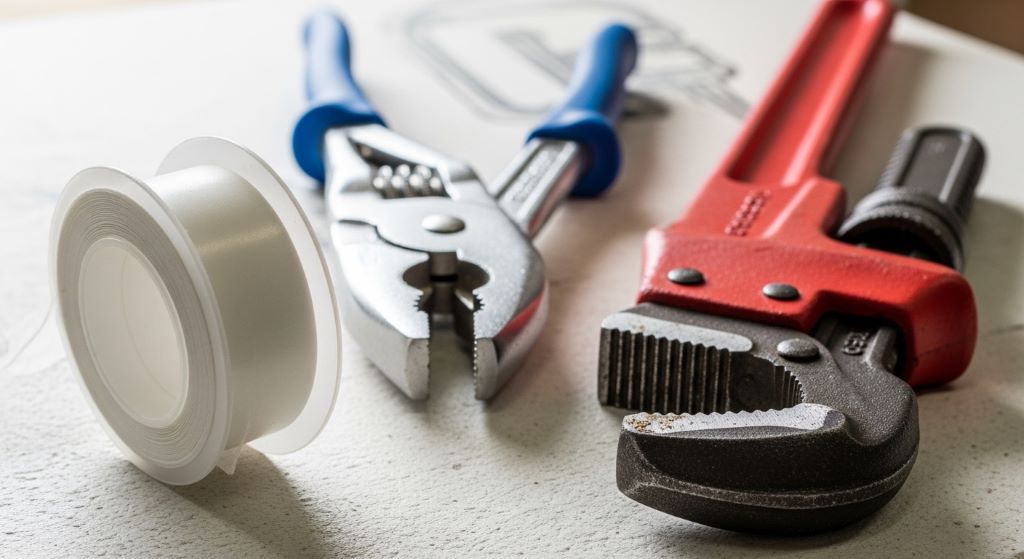
A pipe wrench grips round surfaces like pipes and fittings. It uses a strong jaw to hold and turn without slipping. Beginners should look for a lightweight model, ideally around 14 inches. Aluminum pipe wrenches are lighter than steel and easier to handle for extended tasks.
Hand Auger (Drain Snake)
A hand auger, often called a drain snake, is used to clear blockages inside pipes. It is a long, flexible coil that you push into the drain and rotate to break up or pull out clogs. This tool is far more effective than chemical drain cleaners for stubborn blockages. Additionally, it is reusable and environmentally friendly.
Teflon Tape (Thread Seal Tape)
Teflon tape is simple but incredibly useful. You wrap it around the threads of pipe fittings before connecting them. This creates a watertight seal and prevents leaks. It is cheap, easy to use, and should always be part of your supply kit.
Understanding Tool Quality vs. Price
You do not always need the most expensive tool. However, very cheap tools often break quickly or perform poorly. Therefore, aim for mid-range products from reputable brands. Tools from brands like Ridgid, Stanley, and Irwin offer good quality without a high price tag.
Look for tools with ergonomic handles. These reduce hand fatigue during longer jobs. Also check that metal parts are made from drop-forged steel or aluminum alloy. These materials are durable and resist corrosion — important in wet plumbing environments.
Read reviews before buying. Many online retailers show verified customer feedback. Pay attention to comments about durability and ease of use, especially from other beginners.
Additional Tools Worth Adding Early On
Once you have the core items, there are a few more easy tools that expand what you can handle at home.
Adjustable Pliers (Channel-Lock Pliers)
These are sometimes called slip-joint pliers or tongue-and-groove pliers. They open wide enough to grip large fittings and pipes. The adjustable jaw is the key feature. They are especially useful when working under sinks or on exposed piping.
Caulking Gun and Waterproof Caulk
Many small leaks around sinks, bathtubs, and showers come from worn-out caulk — the sealant around the edges. A caulking gun lets you apply fresh caulk easily. This tool is beginner-friendly and takes only a few minutes to learn.
Utility Knife
A sharp utility knife is handy for cutting pipe insulation, trimming caulk, or scoring materials. Look for one with a retractable blade for safety. Replace blades regularly so it stays sharp.
Flashlight or Headlamp
Plumbing often happens in dark spaces — under sinks, inside cabinets, or around the back of appliances. A good flashlight or hands-free headlamp makes a big difference. A rechargeable LED model is bright and long-lasting.
Bucket and Towels
These are not glamorous, but they are essential. Before you open any pipe, you need to be ready for water to spill out. Keep a bucket nearby and have old towels or rags on hand. This simple preparation prevents a mess and protects your floors.
How to Evaluate a Tool Before You Buy
Before adding any tool to your starter tool kit plumbing collection, ask yourself a few questions. First, is this tool easy to use without special training? Second, will it handle more than one type of job? Third, does it feel comfortable in your hand?
Visit a hardware store and hold the tool if possible. Feel its weight and try the grip. A tool that feels awkward or too heavy will discourage you from using it. Therefore, comfort matters as much as function.
Also, consider storage. Beginner tool kits can grow quickly. Think about how you will store your tools — a simple toolbox or a wall-mounted organizer works well. Keeping tools dry and organized extends their life.
Safety Tips for Beginner Plumbers
Safety is just as important as having the right equipment. Before starting any repair, turn off the water supply to the affected area. Most sinks and toilets have a shut-off valve nearby. Additionally, turn off the main water supply if you are unsure.
Wear rubber gloves when working with drains. Bacteria and debris can build up inside pipes. Eye protection is also a good idea when working in tight spaces where splashing may occur.
Never force a tool if it is not working. Forcing a wrench or a drain snake can damage pipes, especially older ones. If a job feels too complex, it is better to stop and call a professional.
Finally, know your limits. Plumbing that involves gas lines, major pipe replacements, or water heaters should always be left to licensed professionals. However, for everyday tasks like unclogging drains and fixing faucets, a beginner with the right tools can do a great job.
Shopping Smart: Where to Buy Your Tools
Hardware stores like Home Depot or Ace Hardware are excellent places to start. Their staff can answer questions and help you compare options. Additionally, online platforms like Amazon offer a wide range of tools with helpful reviews.
Consider buying a bundled beginner plumbing kit. Many brands package common tools together at a reduced price. This is a convenient and cost-effective way to get started. However, check that the kit includes quality items and not just cheap fillers.
Look for tools that come with a warranty. Many reputable manufacturers offer at least a one-year guarantee. This protects your investment and shows confidence in the product.
Building Your Skills Alongside Your Toolkit
Tools alone do not make a good home repair person. Therefore, invest some time in learning basic plumbing skills. There are many free tutorial videos online that cover common repairs step by step. YouTube channels dedicated to DIY home repair are especially helpful for visual learners.
Start with the simplest repairs. Fix a dripping faucet before you attempt anything more involved. Each successful repair builds your knowledge and your confidence. Additionally, you will start to recognize problems earlier — before they become expensive emergencies.
Keep a simple notebook where you record what you fixed, which tools you used, and what you learned. This habit helps you improve faster and prepares you for more challenging repairs over time.
Conclusion
Choosing beginner-friendly plumbing tools does not have to be complicated. Start with the essentials: an adjustable wrench, a plunger, a pipe wrench, a hand auger, and Teflon tape. These cover the majority of common household plumbing issues. From there, add easy tools like channel-lock pliers, a caulking gun, and a flashlight to expand your capabilities.
Always prioritize comfort, durability, and versatility when selecting tools. Shop from trusted brands, read reviews, and do not be afraid to ask for help in the hardware store. Most importantly, pair your tools with basic plumbing knowledge. Watch tutorials, practice on simple jobs, and track your progress.
With the right starter tool kit plumbing beginners can build real skills at home. You will save money, gain confidence, and become more self-reliant. Start small, stay safe, and enjoy the satisfaction of fixing things yourself.
Frequently Asked Questions
What is the most important tool for a beginner plumber?
An adjustable wrench is often considered the most essential starting tool. It fits a wide range of fittings and is useful for almost every type of basic plumbing repair.
How much should a beginner spend on a starter plumbing kit?
A basic kit with quality tools typically costs between $50 and $150. You do not need to spend more than that to handle common household repairs effectively.
Can I fix a leaking pipe without professional help?
Yes, many minor leaks can be fixed by beginners. Using Teflon tape on threaded joints or tightening loose fittings are both beginner-friendly fixes. However, major pipe damage should be handled by a licensed plumber.
Are drain snakes safe to use on all types of pipes?
Hand augers are generally safe for most household pipes. However, use gentle pressure and avoid forcing the coil, especially in older or plastic pipes, to prevent damage.
Do I need a full toolbox before I start doing repairs?
No. Start with just the core tools and add more as your needs grow. Beginning with five to seven essential items is enough to handle most common home plumbing issues.
Related Topics:
How To Unclog A Bathroom Sink Drain
How to Remove Bathtub Drain Stopper: A Complete Guide to Fixing Your Bathroom Hassle