
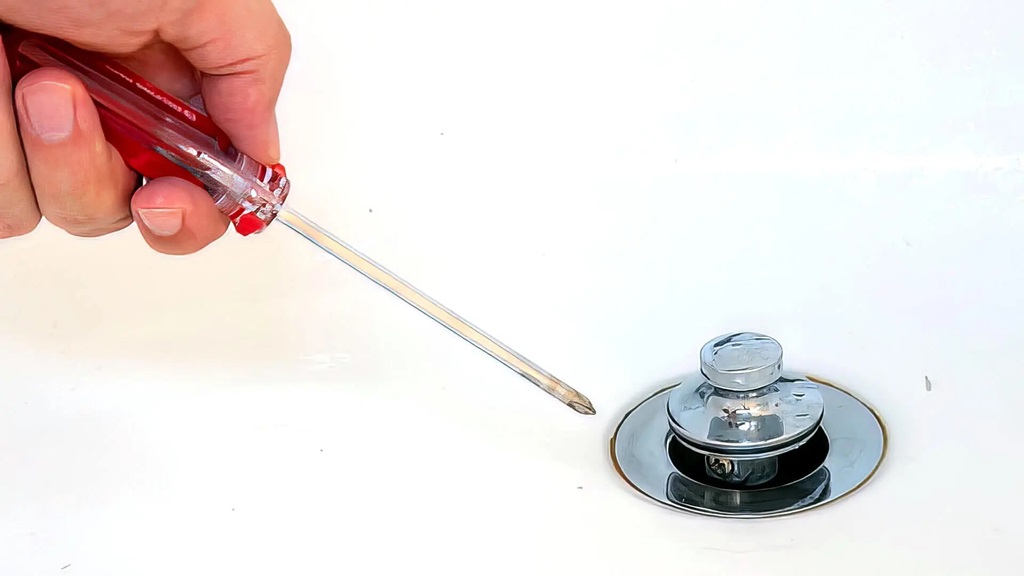

A clogged or malfunctioning bathtub drain stopper can be a frustrating household issue. Whether it’s a slow drain, complete blockage, or simply the desire for an upgrade, knowing how to remove a bathtub drain stopper is an essential skill. This comprehensive guide explores every aspect of the process, from understanding stopper types to troubleshooting common challenges.
To dive deeper into home maintenance tips, explore Kbsm for expert advice and resources that simplify your DIY projects. Let’s start by understanding why removing a drain stopper might be necessary.
Why You Might Need to Remove a Bathtub Drain Stopper
Before jumping into the step-by-step process, let’s explore why this task is important. A bathtub drain stopper serves to control water flow, allowing you to fill or drain your tub as needed.
However, over time, it may:
- Accumulate debris: Hair, soap, and mineral buildup can lead to blockages.
- Lose functionality: Worn-out or damaged stoppers fail to seal properly.
- Require replacement: Upgrading to a more efficient or visually appealing model is often desirable.
Studies reveal that up to 20% of households face plumbing issues annually, with drain problems being among the most common. Addressing this proactively can save time, money, and frustration.
Types of Bathtub Drain Stoppers
The removal method depends largely on the type of drain stopper installed. Let’s briefly review the most common types:
- Lift-and-Turn Stoppers
- Recognizable by the small knob on top that you turn to open or close.
- Typically easy to remove with minimal tools.
- Push-and-Pull Stoppers
- Similar in design to lift-and-turn stoppers but operate by pulling up or pushing down.
- Require a bit more effort to disassemble.
- Toe-Touch Stoppers
- Operated by pressing with your toe to open or close.
- Removal involves unscrewing the top.
- Flip-It Stoppers
- Uses a toggle mechanism to switch between open and closed positions.
- Simple to replace but may involve securing a tight fit.
- Pop-Up Stoppers
- Controlled by a lever attached to a linkage underneath the tub.
- Removal can be more complex due to hidden components.
Understanding the type of stopper in your bathtub will streamline the process and reduce the likelihood of mistakes.
Tools You’ll Need
To effectively remove your bathtub drain stopper, you’ll need the following tools:
- Flathead screwdriver
- Pliers or adjustable wrench
- Drain snake or wire hanger (for debris removal)
- Cleaning brush
- Lubricant or WD-40
- A towel to protect surfaces
Step-by-Step Guide: How to Remove Bathtub Drain Stopper
Step 1: Identify the Stopper Type
Knowing your stopper type is crucial. Refer to the section above to determine the stopper in your bathtub. For example, a lift-and-turn stopper requires twisting, while a pop-up stopper involves dealing with a lever system.
Step 2: Clear the Surrounding Area
Ensure the tub is clean and dry. Place a towel nearby to hold small parts and tools.
Step 3: Begin Removal Based on Stopper Type
Lift-and-Turn Stopper
- Twist the knob counterclockwise while holding the base firmly.
- Unscrew the set screw beneath the knob using a flathead screwdriver.
- Lift the stopper out.
Push-and-Pull Stopper
- Pull up the stopper into the open position.
- Use pliers to grip the stopper and twist counterclockwise to unscrew it.
- Remove the stopper entirely.
Toe-Touch Stopper
- Push down the stopper to the closed position.
- Twist the stopper counterclockwise until it detaches from the drain.
- If it resists, use lubricant to loosen the threads.
Flip-It Stopper
- Gently wiggle and pull the stopper upward.
- If needed, remove any securing screws with a screwdriver.
Pop-Up Stopper
- Locate the lever mechanism under the tub.
- Disconnect the linkage connecting the stopper to the lever.
- Remove the stopper from the drain opening.
Related: How to Get Rid of Sewer Backup in Your Bathtub

Removing a bathtub drain stopper isn’t always straightforward. Here are solutions for typical problems:
- Stuck Stopper: Apply WD-40 to loosen threads or use pliers for better grip. Avoid excessive force to prevent damage.
- Stripped Screws: Use a screw extractor or rubber band to gain traction on stripped screws.
- Hidden Screws: If screws aren’t visible, check the sides or underneath the stopper.
For more guidance on this process, explore how to replace a bathtub drain with expert insights that save you time and effort.
Cleaning the Drain
Once the stopper is removed, take the opportunity to clean the drain thoroughly:
- Remove debris: Use a drain snake or wire hanger to pull out hair and gunk.
- Scrub the drain: A brush and cleaning solution can remove mineral deposits and soap scum.
- Inspect for damage: Check for cracks or corrosion in the drain area.
Reassembling or Replacing the Stopper
After cleaning, you can either reassemble the original stopper or install a new one. Ensure all components are secure and properly aligned.
Pro Tip: If upgrading, choose a stopper that complements your bathroom’s aesthetic and meets functional needs. Stainless steel and brass models offer durability.
Preventative Maintenance Tips
To extend the lifespan of your bathtub drain stopper and prevent future issues:
- Regular cleaning: Clear debris weekly to avoid buildup.
- Use strainers: A simple strainer can catch hair and prevent clogs.
- Inspect periodically: Look for wear and tear to address minor issues early.
Experts suggest that implementing these practices can reduce the need for major plumbing repairs by up to 30%.
When to Call a Professional
While removing a bathtub drain stopper is a manageable DIY task, some situations may require professional assistance:
- Severe blockages: Persistent clogs might indicate a deeper issue.
- Damaged components: Cracked or corroded parts need expert evaluation.
- Complex systems: Some stopper designs, like pop-ups with intricate linkages, are challenging to handle.
Hiring a licensed plumber ensures the job is done correctly and avoids potential damage.
Conclusion
Removing a bathtub drain stopper is a practical skill that empowers homeowners to address common bathroom problems. By identifying your stopper type, using the right tools, and following a systematic approach, you can successfully tackle this task and maintain a functional bathroom.
Taking the time to understand your bathtub’s mechanics not only enhances its functionality but also provides peace of mind. With the right knowledge and tools, any homeowner can master this essential skill.