
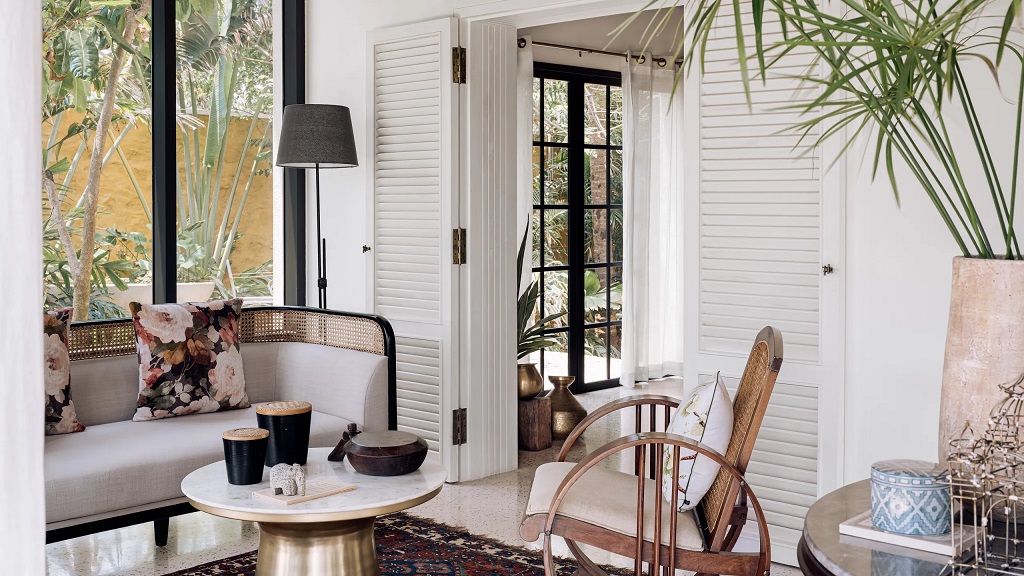

Does your living space feel uninspired or lack that certain “je ne sais quoi”? You’re not alone! Interior design can be daunting, but with a few key principles and practical tips, you can transform your home into a stylish and inviting haven. This guide explores nine foolproof tips to help you solve common design dilemmas and create a space that reflects your personality and style.
1. Define Your Design Style: Find Your Inspiration
The first step to a stylish space is understanding your aesthetic. Are you drawn to clean lines and minimalism, or do you crave the warmth and character of a traditional style? Here’s how to find your design inspiration:
- Browse Design Magazines and Websites: Immerse yourself in design inspiration by looking through magazines, websites, and social media platforms like Pinterest and Instagram.
- Create a Mood Board: Collect images, textures, and color palettes that resonate with you. This mood board acts as a visual guide for your design direction.
- Consider Your Lifestyle: Think about how you live and use your space. A functional and stylish space should cater to your lifestyle needs.
2. Conquer the Blank Canvas: Layout and Functionality
Before diving into aesthetics, consider the layout and functionality of your space. Here are some key considerations:
- Furniture Placement: Arrange furniture to create designated areas for conversation, dining, work, or relaxation. Ensure there’s a comfortable flow between spaces.
- Traffic Flow: Consider how people move through your space. Avoid creating walkways that are too narrow or furniture arrangements that obstruct movement.
- Multifunctional Furniture: In smaller spaces, opt for furniture that serves multiple purposes, like a sofa bed or a storage ottoman.
3. The Power of Scale and Proportion: Creating Visual Balance
A well-proportioned space feels balanced and harmonious. Here’s how to achieve this:
- Furniture Scale: Match furniture size to the scale of the room. Avoid overwhelming a small space with overly large furniture pieces.
- Balance Visual Weight: Distribute visual weight evenly throughout the room. This can be achieved by arranging furniture pieces and artwork strategically.
- Consider Ceiling Height: In rooms with high ceilings, incorporate taller furniture or add architectural elements like bookcases to fill the space visually.
4. Let There Be Light: Layering Lighting for Ambiance
Lighting plays a crucial role in setting the mood and ambiance of a space. Consider layering different types of lighting:
- Overhead Lighting: Provide general illumination with overhead lighting like chandeliers, pendant lights, or recessed lights.
- Task Lighting: Incorporate task lighting for specific areas like reading nooks or workspaces. Consider table lamps, floor lamps, or under-cabinet lighting.
- Accent Lighting: Highlight artwork, and architectural features, or create a focal point with accent lighting. This can be achieved with sconces, track lighting, or strategically placed lamps.
5. A Symphony of Color: Choosing a Color Palette
Color has a significant impact on the mood and feel of a space. Here’s how to choose a color palette:
- The 60-30-10 Rule: This rule suggests using a dominant color for 60% of the space, a secondary color for 30%, and an accent color for 10%.
- Consider the Color Wheel: Use the color wheel to create a cohesive color scheme. Analogous colors (colors that sit next to each other) create a harmonious feel, while complementary colors (opposites on the wheel) add a bold contrast.
- Think About the Psychology of Color: Warm colors like red and orange evoke energy, while cool colors like blue and green create a calming effect. Consider the mood you want to create in each space.
6. The Magic of Texture: Adding Depth and Dimension
Texture adds visual interest and depth to a space. Here’s how to incorporate texture:
- Mix and Match Materials: Combine smooth surfaces like wood or glass with textiles like rugs, throws, and upholstered furniture.
- Play with Patterns: Incorporate patterned fabrics, wallpapers, or rugs to add visual interest. Keep the scale of patterns in proportion to the size of the room.
- Natural Elements: Introduce natural textures like wood, stone, or woven baskets to add warmth and organic character to your space.
7. Don’t Forget the Floors: Selecting the Perfect Flooring
Flooring is a significant design element that impacts the overall look and feel of a space. Here are some factors to consider:
- Lifestyle: Choose flooring that is durable and easy to maintain for high-traffic areas. Consider carpet for bedrooms and living areas, and opt for tile or wood for kitchens and bathrooms.
- Climate: Consider the climate in your area. Hardwood floors might be ideal for moderate climates, while tile can be a good choice for humid environments.
- Color and Pattern: Flooring can influence the overall color scheme of your space. Choose light-colored floors to create a sense of spaciousness or darker tones for a more dramatic effect.
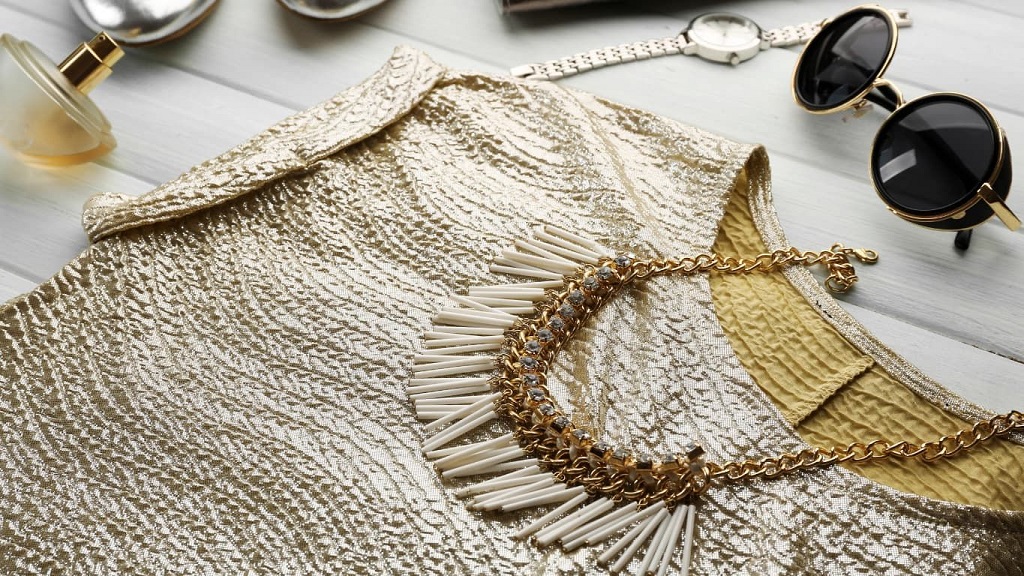
8. The Power of Accessories: Adding Personality with Finishing Touches
Accessories personalize your space and add the finishing touch. Here are some tips:
- Statement Pieces: Incorporate a few statement pieces like a bold sculpture, a vintage rug, or a unique lamp to create visual interest.
- Curated Collections: Display collections of objects you love, whether it’s travel souvenirs, family heirlooms, or artwork.
- Greenery is Great: Bring the outdoors in with houseplants. Plants not only add a pop of color but also improve air quality.
9. Edit with a Critical Eye: Less is Often More
While adding personality with accessories is important, avoid clutter. Here’s how to edit effectively:
- Declutter Regularly: Get rid of items that are broken, unused, or don’t contribute to your overall design scheme.
- The Rule of Threes: Arrange objects in groups of three for a visually pleasing composition.
- Leave Breathing Room: Don’t overcrowd surfaces. Leave some space for your decorative elements to shine.
Related: Biophilic Design on a Budget: Affordable Ways to Bring Nature Indoors!
Design Dilemma Solved: A Stylish Haven Awaits
By following these nine foolproof tips, you can transform your home into a stylish and inviting space that reflects your personality and preferences. Remember, design is a journey, not a destination. Don’t be afraid to experiment, have fun with the process, and trust your creative vision. With a little planning and these helpful tips, you can solve common design dilemmas and create a stylish haven you’ll love coming home to.