
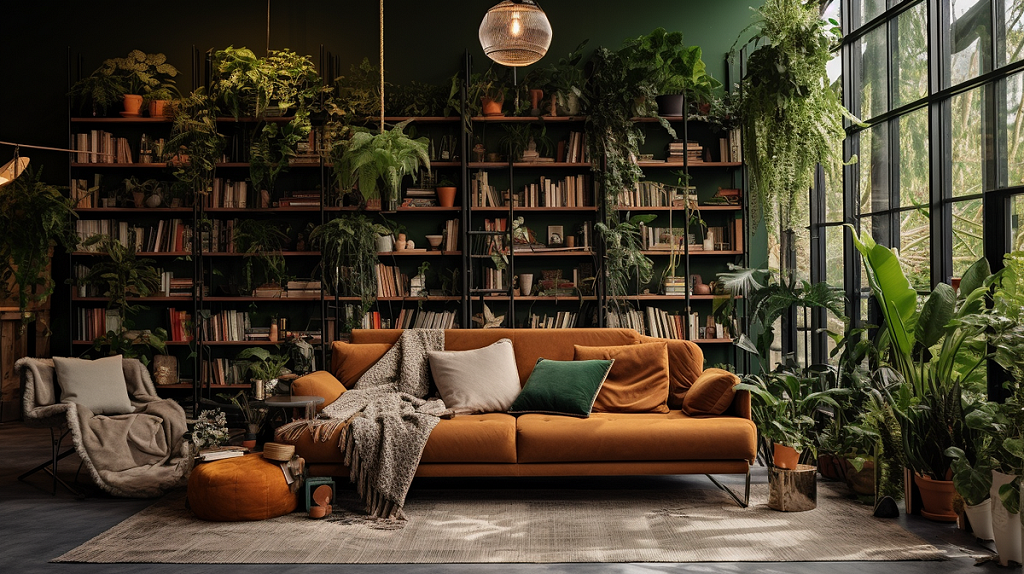

City life can leave you yearning for a connection to nature. But what if you think transforming your apartment into a biophilic oasis requires a hefty budget? Breathe easy! Biophilic design, incorporating natural elements into the built environment, is achievable for everyone. Let’s explore creative and affordable ways to nurture your inner nature lover and create a calming, therapeutic haven within your walls.
Understanding Biophilic Design: More Than Meets the Eye
Biophilic design goes beyond simply adding a few houseplants. It’s about fostering an innate human connection with nature through various elements:
- Natural Materials: Think wood, stone, bamboo, and natural fibers like linen or cotton. These materials introduce warmth, texture, and a sense of the outdoors.
- Natural Light: Maximize natural light by using sheer curtains and strategically placing furniture. Consider skylights or light tubes for areas lacking natural illumination.
- Natural Elements: Like small fountains or aquariums, water features introduce calming sounds and visual interest. Textures like exposed brick or pebbles in a vase add a touch of the natural world.
- Organic Shapes and Patterns: Flowing curves, mimicking shapes found in nature, create a more organic and calming atmosphere. Consider patterned rugs with nature-inspired motifs or artwork depicting natural landscapes.
Budget-Friendly Biophilic Design: Simple Strategies, Big Impact
Now, let’s translate these principles into actionable steps you can incorporate into your design scheme, regardless of budget:
- Repurpose and Upcycle: Give old furniture a second life! Sand down a wooden table or paint a tired dresser in earthy tones to create a natural aesthetic. Repurpose vintage baskets or crates for storage, adding texture and a touch of rustic.
- Embrace the Power of Plants: Houseplants are the cornerstone of biophilic design. Start with low-maintenance varieties like snake plants, pothos, or spider plants. Utilize hanging planters, shelves, or windowsills to create a vertical garden effect.
- Bring the Outdoors In Open your windows whenever possible to allow fresh air and natural sounds to fill your space. Hang nature-inspired artwork or photographs that evoke calming landscapes or serene forests.
- Embrace Natural Lighting: Replace heavy drapes with sheer curtains to allow natural light to flood your space. Consider strategically placed mirrors to reflect light and create a feeling of spaciousness.
Beyond the Basics: Advanced Biophilic Design Hacks for the Savvy Designer
Ready to take your biophilic design to the next level? Here are some creative and budget-friendly hacks:
- DIY Terrariums: Create miniature ecosystems in recycled glass containers. This is a low-maintenance way to introduce greenery and a touch of the natural world to your space.
- Natural Accents: Collect fallen branches or smooth stones on nature walks and display them in decorative bowls or vases. Utilize natural materials like seashells or pinecones to create centerpieces or wall hangings.
- Indoor Herb Garden: Upcycle a vintage crate or tin can to create a DIY herb garden. Fresh herbs not only add a touch of nature but are readily available for cooking.
- Sensory Experience: Incorporate calming scents of nature like lavender or eucalyptus with diffusers or scented candles (always prioritize safety when using candles). Play nature soundscapes like babbling brooks or bird songs for a truly immersive experience.
Biophilic Design on a Budget: Benefits Beyond Aesthetics
The beauty of biophilic design is that it goes beyond aesthetics; it offers numerous benefits for your well-being:
- Improved Well-being: Studies show that biophilic design can reduce stress, improve mood, and boost creativity.
- Enhanced Focus and Productivity: Natural elements can help improve concentration and focus, making your home office a more productive space.
- A More Inviting Atmosphere: A nature-inspired home creates a welcoming and relaxing environment for yourself and your guests.
- Increased Connection to Nature: Biophilic design can foster a deeper connection with the natural world, even if you live in an urban environment.
Embrace Nature’s Embrace: Let Your Creativity Bloom
Biophilic design doesn’t require a hefty budget; it requires a love for nature and a touch of creativity. With a little resourcefulness, you can transform your living space into a haven of tranquility, filled with natural elements and a connection to the outdoors. So, scour flea markets for vintage finds, breathe new life into old furniture, and explore the wonders of nature walks for inspiration. Remember, the most important element of biophilic design is the connection it fosters with the natural world – a connection that can be nurtured and celebrated within the walls of your own home.
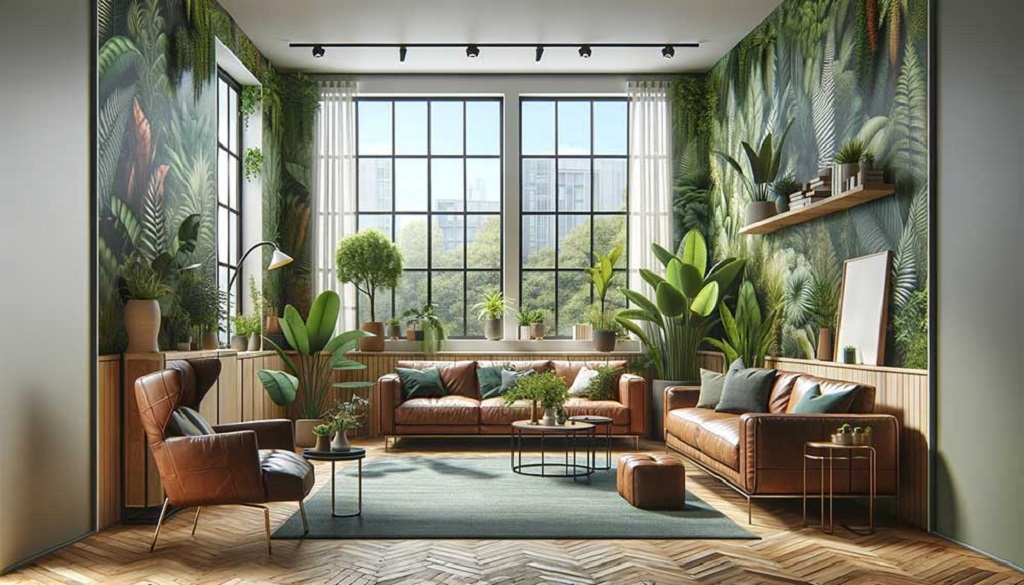
Additional Tips for Budget-Friendly Biophilic Design:
- Shop Thrift Stores and Online Marketplaces: Look for unique pieces made from natural materials like wood, wicker, or bamboo. You might find hidden gems like vintage planters, decorative vases, or even artwork depicting nature scenes.
- DIY Projects: Get crafty! Create wall hangings from woven branches, paint nature-inspired patterns on throw pillows, or build a simple moss wall using recycled materials.
- Embrace the Power of Paint: Earthy tones like beige, brown, green, and blue can create a calming and natural atmosphere. Consider painting an accent wall in a nature-inspired hue or using stencils to create organic patterns on furniture.
- Borrow the Scenery: Live in an apartment with limited balcony space? Utilize your window view! Arrange furniture to maximize the visual connection to the outdoors. Keep windowsills clutter-free to allow for unobstructed views and consider placing a small bird feeder outside your window to attract feathered friends.
- Seasonal Touches: Embrace the changing seasons by incorporating natural elements that reflect the current time of year. Decorate with pinecones and cinnamon sticks in winter, display colorful flowers in spring, or showcase seashells and driftwood collected on a summer vacation.
- Community and Collaboration: Is your apartment building lacking green spaces? Organize a community project with your neighbors to create a shared rooftop herb garden or plant window boxes with cascading greenery.
Biophilic Design: A Journey, Not a Destination
Biophilic design is an ongoing journey of exploration and connection with nature. Start small, experiment with different elements, and prioritize what brings you peace and joy. Remember, there’s no right or wrong way to create a biophilic space. The most important aspect is to embrace the calming influence of nature and create a haven within your home that reflects your unique personality and love for the natural world.
Related: How to Decorate a Dining Room Wall: Turning Blank Spaces into Personal Statements
Additional Resources:
Consider including a short list of credible resources for readers who want to delve deeper into biophilic design principles and find more inspiration:
- Websites:
- The International WELL Building Institute (https://www.wellcertified.com/)
- Terrapin Bright Green (https://www.terrapinbrightgreen.com/)
- Books:
- “Biophilic Design: The Theory, Science, and Practice of Bringing Nature into the Built Environment” by Stephen Kellert, Judith Heerwagen, and Martin Mador
- “The Nature Fix: Why Nature Makes Us Happier, Healthier, and More Creative” by Florence Williams.