


Imagine a kitchen that anticipates your needs, preheats your oven while you’re on your way home, and even guides you through complex recipes step-by-step. This isn’t science fiction – it’s the reality of the smart kitchen. By integrating smart technology into your appliances and cookware, you can transform your culinary experience, making cooking more efficient, enjoyable, and even fun.
The Evolution of the Kitchen: From Humble Hearth to High-Tech Hub
The kitchen has always been the heart of the home, a place for gathering, nourishment, and creativity. However, the way we cook has evolved significantly over time. From the open fires of early civilizations to the gas stoves and electric ovens of the 20th century, technology has continuously reshaped the kitchen landscape. Now, the smart kitchen revolution is upon us, promising to further enhance our culinary experiences.
Smart Appliances: The Cornerstones of the Connected Kitchen
The heart of the smart kitchen lies in its connected appliances. Here are some of the key players:
- Smart Ovens: These ovens allow you to preheat remotely, adjust temperature and cooking modes from your smartphone, and even receive notifications when your food is done. Some advanced models offer built-in cameras that let you monitor your dish without opening the oven door.
- Smart Refrigerators: These high-tech refrigerators boast features like temperature and humidity control to extend the shelf life of your groceries. Some models even come with built-in grocery management systems that track inventory and suggest recipes based on what you have on hand.
- Smart Countertop Appliances: From smart pressure cookers that adjust pressure and cooking times to smart blenders that connect to recipe apps, a wide range of countertop appliances are becoming increasingly sophisticated. These features can streamline meal prep and simplify complex cooking tasks.
- Smart Kitchen Assistants: Voice-activated assistants like Amazon Alexa and Google Assistant can be invaluable tools in the kitchen. Use them to set timers, convert measurements, or even find recipes while your hands are full.
Beyond Appliances: Exploring the Smart Kitchen Ecosystem
Smart appliances are just one piece of the smart kitchen puzzle. Here are some additional elements that contribute to a truly connected cooking experience:
- Smart Displays: These countertop tablets can display recipes, stream cooking shows, and even act as a visual interface for controlling your smart appliances.
- Smart Food Storage Containers: These innovative containers can track the weight and freshness of your food, helping you avoid waste and ensuring you always have the ingredients you need on hand.
- Smart Recipe Management Systems: These apps and platforms allow you to organize your recipes, create shopping lists, and even scale recipes based on the number of servings.
The Benefits of Cooking with Cutting-Edge Technology
The rise of the smart kitchen offers numerous benefits for home cooks of all skill levels:
- Enhanced Convenience: Smart features like remote preheating and voice-activated controls can streamline your cooking process and save you time in the kitchen.
- Improved Efficiency: Smart appliances can optimize cooking times and temperatures, leading to perfectly cooked dishes and reduced energy consumption.
- Elevated Culinary Exploration: Smart recipe apps and recipe-guided cooking can help you explore new cuisines and master complex dishes with confidence.
- Reduced Food Waste: Smart technology can help you manage your grocery inventory and ensure you’re using ingredients before they expire.
- A More Fun and Engaging Cooking Experience: Smart features can make cooking more interactive and engaging, especially for children or those new to the kitchen.
Considerations and Challenges: Embracing Smart Kitchen Technology Wisely
While the smart kitchen promises a plethora of benefits, it’s important to consider some potential challenges:
- Cost: Smart appliances can be more expensive than traditional models.
- Connectivity: Ensure your appliances and devices are compatible with your Wi-Fi network and any necessary apps.
- Security Concerns: As with any internet-connected device, security is a consideration. Choose reputable brands with strong security protocols.
- Learning Curve: Some smart features require familiarization and may have a learning curve.
The Future of the Smart Kitchen: A Glimpse Ahead
The future of the smart kitchen is brimming with exciting possibilities:
- AI-powered Meal Planning: Imagine a system that analyzes your dietary needs, preferences, and grocery inventory to suggest personalized meal plans.
- Robotic Kitchen Assistants: Robotic chefs can assist with chopping vegetables, mixing ingredients, and even cleaning up after a meal.
- Smart Kitchens that Learn and Adapt: Smart appliances that learn your cooking habits and preferences, automatically adjust settings for perfectly cooked meals every time.
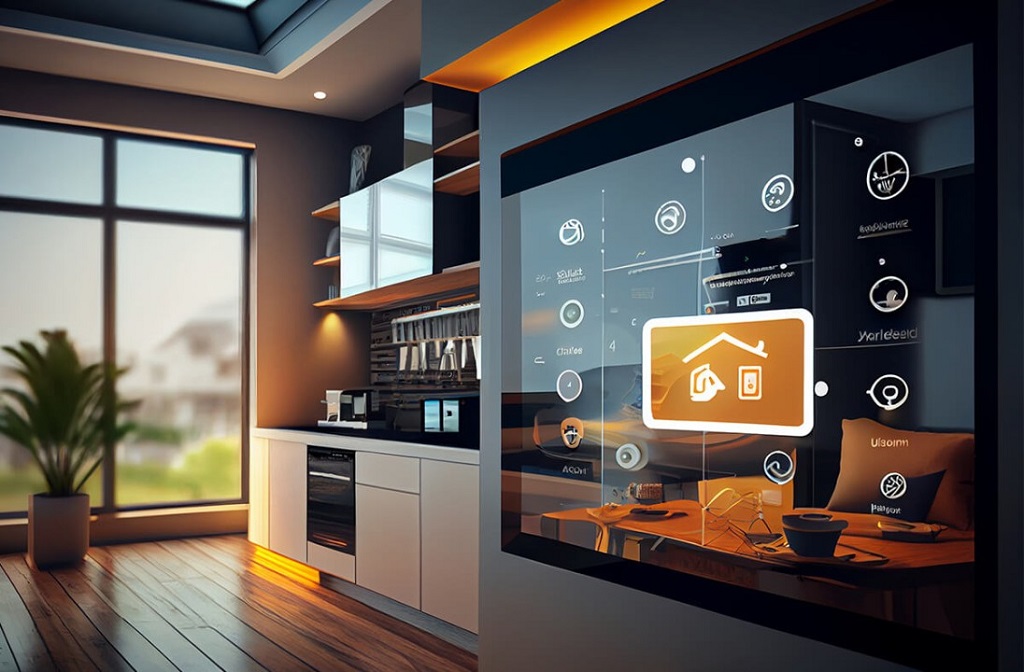
Embrace the Future of Cooking: Start Building Your Smart Kitchen Today
The smart kitchen revolution is here, offering a world of convenience, efficiency, and culinary exploration. Whether you’re a seasoned chef or a kitchen novice, smart technology can enhance your cooking experience. Here are some tips to get you started:
- Identify Your Needs: Consider your cooking habits and what aspects of the kitchen experience you’d like to improve. Do you struggle with meal planning? Do you crave more convenience? Identifying your needs will help you prioritize which smart features would be most beneficial.
- Start Small: You don’t have to overhaul your entire kitchen at once. Begin with a single smart appliance, like a smart speaker or a connected slow cooker. Experiment and see how it integrates into your routine.
- Research and Compare: With a wide range of smart kitchen devices available, do your research to compare features, compatibility, and user reviews before making a purchase.
- Prioritize Security: Choose smart appliances from reputable brands with a commitment to robust security measures. Regularly update software and firmware to address any potential vulnerabilities.
- Embrace the Learning Curve: Don’t be discouraged if new technology takes some getting used to. Explore user manuals, watch tutorials, and experiment with different features to get the most out of your smart kitchen setup.
Related: The Pros and Cons of Open Kitchen Designs: Breaking Down the Advantages and Disadvantages
The smart kitchen is not just about the latest gadgets; it’s about harnessing technology to create a more enjoyable, efficient, and creative cooking experience. So, embrace the future of food, explore the exciting world of smart kitchen technology, and discover the joy of cooking in a whole new way!