
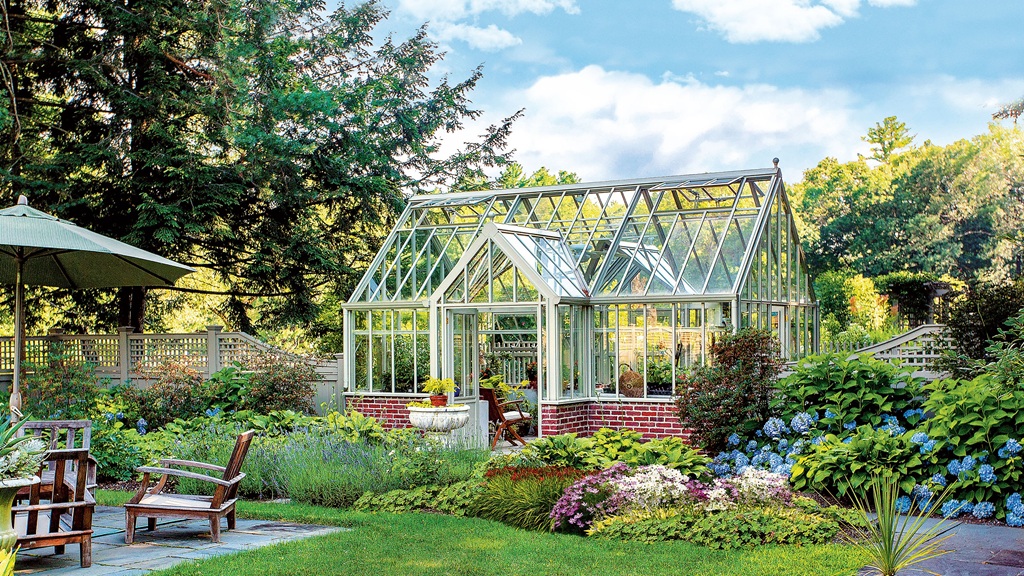

The allure of fresh, homegrown produce and the joy of nurturing plants year-round are powerful motivators for building a greenhouse. However, simply erecting a structure is not enough. A successful greenhouse requires meticulous planning and thoughtful design to maximize its potential and ensure long-term productivity. This comprehensive guide will walk you through the essential steps of designing and planning your greenhouse installation, from initial considerations to final implementation.
Defining Your Goals and Needs: The Foundation of Your Greenhouse Plan

Before you even think about materials or blueprints, you must clearly define your goals. What do you intend to grow? Are you aiming for a year-round vegetable garden, an exotic orchid collection, or a space for starting seedlings? The answers to these questions will dictate the size, type, and features of your greenhouse. Consider the climate in your region and the specific needs of the plants you wish to cultivate. For example, tropical plants require higher humidity and temperatures than cold-weather vegetables. Will you be growing for personal use, or do you plan to sell your produce? This will impact the scale of your operation.
Site Selection: Where Sunlight Meets Sustainability
The location of your greenhouse is paramount. Sunlight is the lifeblood of plants, so choose a site that receives ample sunlight throughout the day, especially during the winter months. A south-facing orientation is generally ideal in the Northern Hemisphere. Avoid areas shaded by trees or buildings. Consider the slope of the land and ensure proper drainage to prevent waterlogging. Accessibility is also crucial. You’ll need easy access for watering, maintenance, and harvesting. Proximity to utilities like water and electricity will simplify the installation process and reduce ongoing costs. Assess the soil quality of the site, even if you plan to use raised beds or containers, as the surrounding environment can affect the greenhouse climate.
Greenhouse Type and Design: Matching Structure to Functionality
Greenhouses come in various shapes and sizes, each with its own advantages and disadvantages. Lean-to greenhouses, attached to an existing structure, are ideal for small spaces and utilize existing walls for heat retention. Freestanding greenhouses offer greater flexibility in placement and design. Hoop houses, with their curved roof, are cost-effective and suitable for large-scale production. A-frame greenhouses provide ample headroom and a classic aesthetic. Consider the materials used for the frame and glazing. Glass greenhouses offer excellent light transmission and durability but are more expensive and prone to breakage. Polycarbonate panels are a popular alternative, offering good insulation and impact resistance. Polyethylene film is a budget-friendly option but has a shorter lifespan. Evaluate the structural integrity of the greenhouse, ensuring it can withstand wind, snow, and other environmental factors.
Size and Layout: Optimizing Space for Growth and Efficiency
The size of your greenhouse should be determined by your growing needs and available space. A common mistake is building a greenhouse that is too small, limiting your future expansion. Plan for adequate headroom and aisle space to allow for easy movement and maintenance. Consider the layout of your growing areas. Will you use raised beds, benches, or hanging baskets? Optimize the space to maximize growing area and minimize wasted space. Think about the placement of ventilation systems, heating and cooling equipment, and irrigation systems. A well-planned layout will enhance efficiency and productivity.
Environmental Control Systems: Maintaining the Ideal Climate
Maintaining the optimal temperature, humidity, and ventilation is crucial for plant growth. Heating systems, such as propane heaters, electric heaters, or radiant floor heating, are essential for cold climates. Cooling systems, including exhaust fans, evaporative coolers, and shade cloths, help regulate temperature during hot weather. Ventilation is vital for air circulation and preventing disease. Automated systems can monitor and control these environmental factors, ensuring a stable and consistent environment. Consider the specific needs of your plants when selecting and designing your environmental control systems.
Irrigation and Watering Systems: Ensuring Consistent Hydration
Proper irrigation is essential for healthy plant growth. Drip irrigation systems deliver water directly to the plant roots, minimizing water waste and reducing the risk of disease. Overhead sprinklers are suitable for large areas but can lead to water loss through evaporation. Consider the water source and pressure when designing your irrigation system. Rainwater harvesting is a sustainable option for supplementing your water supply. Automated irrigation systems can be programmed to water plants at specific intervals, ensuring consistent hydration even when you are away.
Lighting Systems: Supplementing Natural Sunlight
During the winter months or in areas with limited sunlight, supplemental lighting is necessary for optimal plant growth. Grow lights, such as LED lights, fluorescent lights, or high-pressure sodium lights, provide the necessary spectrum of light for photosynthesis. LED grow lights are energy-efficient and offer a wide range of light spectrums. Consider the light requirements of your plants when selecting your lighting system. Proper placement and intensity of the lights are crucial for maximizing their effectiveness.
Materials and Construction: Building a Durable and Efficient Structure
Selecting the right materials for your greenhouse is essential for its durability and efficiency. Choose materials that are resistant to corrosion, rot, and UV damage. Consider the insulation properties of the materials to minimize heat loss during the winter and heat gain during the summer. Ensure that the construction process is carried out by experienced professionals or follow detailed instructions if you are building it yourself. Proper sealing and weatherproofing are crucial for preventing air leaks and maintaining a stable environment.
Permitting and Regulations: Navigating the Legal Landscape
Before starting construction, check with your local authorities for any building permits or regulations that may apply to greenhouse construction. Some areas may have restrictions on size, location, or materials. Ensure that your greenhouse complies with all applicable codes and regulations to avoid legal issues.
Budgeting and Cost Estimation: Planning for Financial Sustainability
Greenhouse construction can be a significant investment. Create a detailed budget that includes all costs, such as materials, labor, equipment, and permits. Obtain quotes from multiple suppliers and contractors to ensure you are getting the best value. Consider the long-term operating costs, such as energy, water, and maintenance. Explore options for financing or grants that may be available for greenhouse projects.
Implementation and Monitoring: Bringing Your Greenhouse to Life
Once the design and planning are complete, it’s time to begin construction. Follow the blueprints and instructions carefully, ensuring that all components are installed correctly. Once the greenhouse is operational, regularly monitor the environmental conditions and adjust the systems as needed. Keep detailed records of your growing activities, including planting dates, yields, and any issues that arise. This information will help you refine your techniques and improve your greenhouse management over time.
Read More Also: How to Plant and Nurture Thriving Tomato Plants: A Comprehensive Guide
People Also Ask (FAQs)
-
What is the best type of greenhouse for beginners?
- A lean-to or small freestanding greenhouse with polycarbonate panels is a good option for beginners due to its ease of construction and maintenance.
-
How much does it cost to build a greenhouse?
- The cost varies depending on size, materials, and features. A small DIY greenhouse can cost a few hundred dollars, while a large, professionally built greenhouse can cost tens of thousands.
-
How do I heat a greenhouse in the winter?
- Options include propane heaters, electric heaters, radiant floor heating, and solar heating systems.
-
How do I cool a greenhouse in the summer?
- Options include exhaust fans, evaporative coolers, shade cloths, and ventilation systems.
-
What plants grow best in a greenhouse?
- Vegetables like tomatoes, peppers, and lettuce, as well as herbs and flowers, thrive in greenhouses.
-
Do I need a permit to build a greenhouse?
- It depends on local regulations. Check with your local authorities for specific requirements.
-
How can I make my greenhouse more energy-efficient?
- Use insulated glazing, seal air leaks, install energy-efficient heating and lighting systems, and utilize rainwater harvesting.
-
How much ventilation does my greenhouse need?
- Ventilation needs vary, but as a general rule, you should aim for at least one air exchange per hour in the summer.
Conclusion
Designing and planning a greenhouse is a rewarding endeavor that requires careful consideration and attention to detail. By defining your goals, selecting the right site, choosing the appropriate type and design, and implementing effective environmental control systems, you can create a thriving growing space that provides fresh produce and enjoyment for years to come. Remember to research and abide by local regulations, create a realistic budget, and monitor your greenhouse diligently. With proper planning and execution, your greenhouse will become a valuable asset and a source of endless satisfaction.