
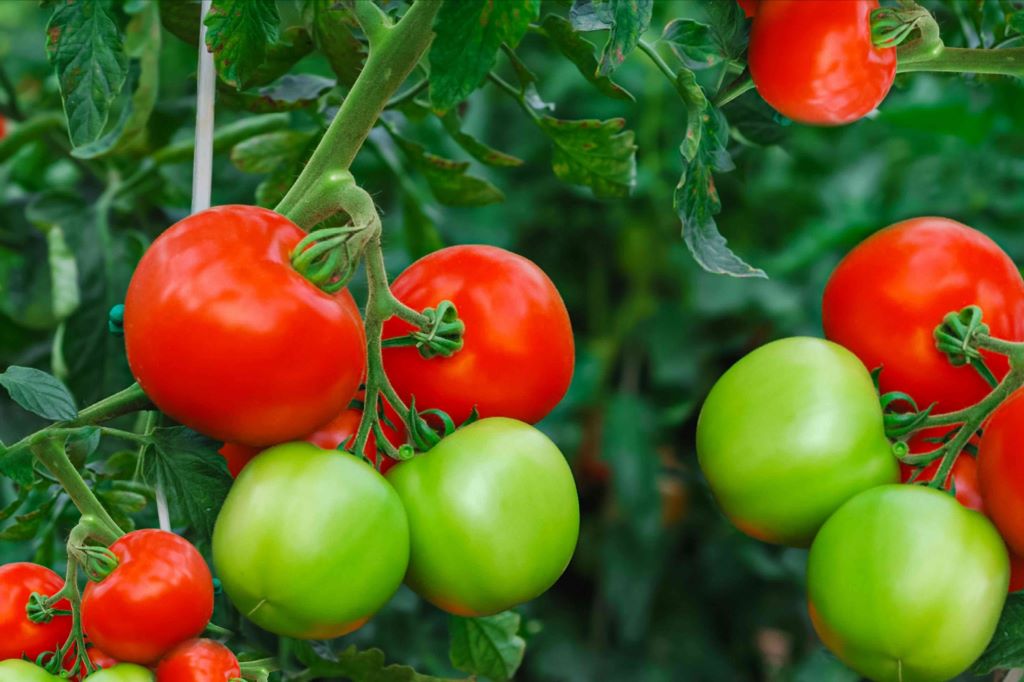

Tomatoes, the juicy and versatile fruits of summer, are a beloved staple in gardens worldwide. Growing your own tomatoes is a rewarding endeavor that allows you to savor the freshest flavors and enjoy the satisfaction of cultivating your produce. In this comprehensive guide, we’ll walk you through the process of planting and caring for tomato plants, whether you’re a seasoned gardener or a beginner.
1. Selecting the Right Variety
The first step to a successful tomato harvest is choosing the right variety. Tomatoes come in a wide array of shapes, sizes, colors, and flavors. Consider your growing conditions (climate, sunlight, space) and personal preferences. Here are a few popular options:
- Beefsteak: Large, juicy, and perfect for slicing.
- Cherry: Bite-sized and bursting with sweetness.
- Roma: Meaty and ideal for sauces.
- Heirloom: Unique varieties with exceptional flavors.
2. Starting Seeds or Buying Transplants
You have two options when it comes to starting your tomato plants:
- Seeds: Starting from seeds is more economical and offers a wider variety. Sow seeds indoors 6-8 weeks before the last frost. Use seed starting trays or pots filled with seed-starting mix. Keep the soil moist and warm (70-80°F) until germination.
- Transplants: Buying young plants (transplants) is convenient and gives you a head start. Look for healthy plants with vibrant green leaves and sturdy stems.
Related: How to Set Up Balcony Garden: Expert Tips for a Blooming Oasis
3. Preparing the Soil
Tomatoes thrive in well-drained, fertile soil with a slightly acidic pH (6.0-6.8). To prepare your garden bed for tomato plants, start by removing weeds and loosening the soil to a depth of 12-18 inches. Amend the soil with compost or aged manure to ensure nutrient-rich conditions suitable for the tomato tree plant. Discover more about cultivating robust tomato crops through proper soil preparation and care.
4. Planting Your Tomatoes
- Timing: Wait until after the last frost and when the soil temperature reaches at least 60°F.
- Spacing: Space plants 2-3 feet apart to allow for adequate airflow and growth.
- Depth: Plant seedlings deeper than they were in their containers, burying about two-thirds of the stem. This encourages the development of additional roots.
- Support: Install stakes, cages, or trellises at planting time to support the growing plants and prevent the fruits from touching the ground.
5. Watering and Fertilizing
- Watering: Water deeply and consistently, aiming to keep the soil moist but not waterlogged. Avoid overhead watering, as it can promote fungal diseases.
- Fertilizing: Feed your plants with a balanced fertilizer every 2-3 weeks. Look for fertilizers specifically formulated for tomatoes.
6. Pruning and Training
- Suckers: Remove the suckers (shoots that grow between the main stem and branches) regularly. This will direct the plant’s energy towards fruit production.
- Training: Train your plants to grow vertically by gently tying them to stakes or trellises.
7. Pest and Disease Control
Tomatoes are susceptible to various pests and diseases. Be vigilant and take preventive measures:
- Pests: Common pests include aphids, tomato hornworms, and whiteflies. Use insecticidal soap, neem oil, or introduce beneficial insects like ladybugs.
- Diseases: Early blight, late blight, and blossom end rot are common diseases. Ensure good airflow, water at the base of the plant, and apply fungicides if necessary.
8. Harvesting Your Tomatoes
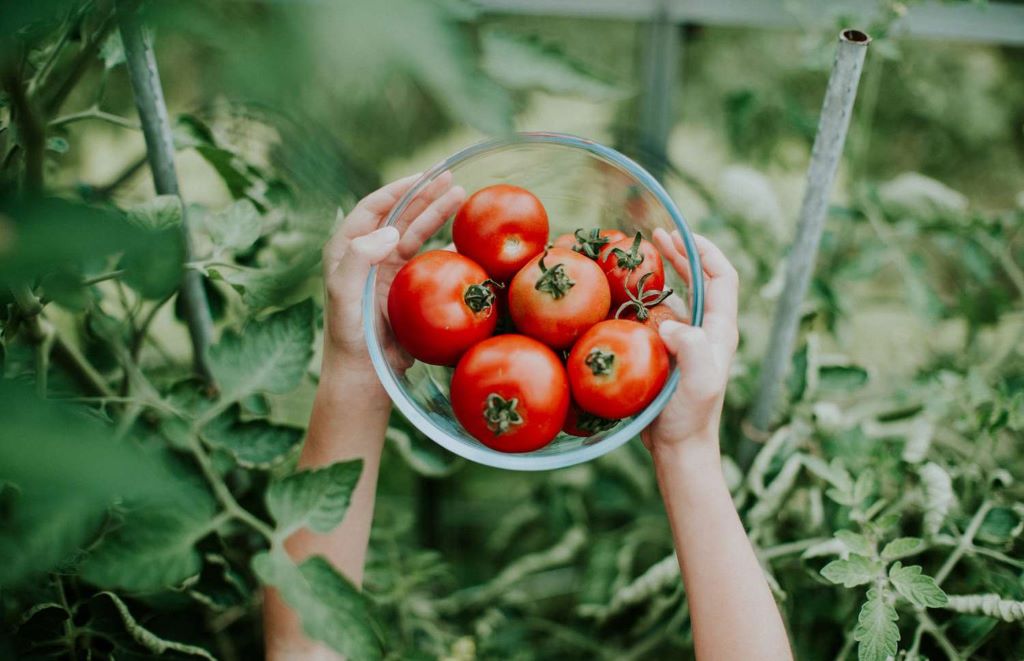
Tomatoes are ready to harvest when they reach their mature color and feel slightly soft to the touch. Gently twist the fruit from the vine or use a pair of scissors.
9. Extending the Harvest
- Succession Planting: Plant new tomato seedlings every few weeks to extend your harvest into the fall.
- Frost Protection: If frost is expected, cover your plants with row covers or bring potted plants indoors.
10. Troubleshooting Common Problems
- Blossom End Rot: Calcium deficiency causes black spots on the bottom of the fruit. Ensure consistent watering and add calcium to the soil.
- Cracking: Inconsistent watering can cause fruits to crack. Water regularly and mulch around the plants to retain moisture.
- Yellowing Leaves: Yellowing leaves can indicate nutrient deficiencies or overwatering. Adjust your watering and fertilization practices.
Additional Tips for Successful Tomato Gardening
- Sunlight: Tomatoes need at least 6-8 hours of direct sunlight daily.
- Mulch: Apply a layer of mulch around the plants to conserve moisture, suppress weeds, and regulate soil temperature.
- Companion Planting: Plant basil, marigolds, or onions near your tomatoes to deter pests.
- Container Gardening: If you have limited space, grow tomatoes in containers on your patio or balcony.
By following these guidelines and providing your tomato plants with the care they need, you’ll be well on your way to enjoying a bountiful harvest of delicious, homegrown tomatoes. Happy gardening!