
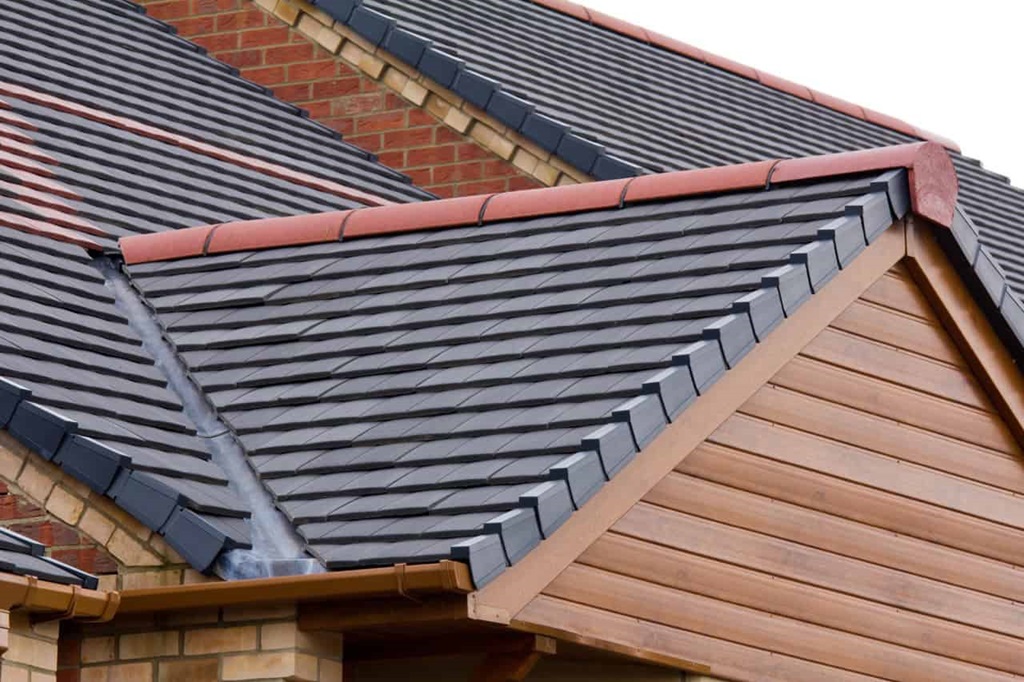

The roof is arguably the most critical component of a house, providing protection from the elements and significantly impacting the building’s overall aesthetic appeal and energy efficiency. Choosing the right roofing materials and techniques is, therefore, a decision that requires careful consideration of various factors, including climate, budget, personal preferences, and local building codes. This comprehensive guide will delve into the diverse world of roofing materials and techniques, helping you make an informed choice for your home.
Understanding the Importance of Roofing
Before exploring the different types of roofing materials and techniques, it’s crucial to understand why choosing the right roof is so important.
A well-constructed roof:
- Protects Your Home: A roof acts as the first line of defense against rain, snow, wind, sunlight, and other external forces. A durable and weather-resistant roof ensures that your home remains dry and safe.
- Enhances Energy Efficiency: The roof plays a significant role in regulating the temperature inside your home. Proper insulation and ventilation, coupled with the right roofing materials, can help maintain a comfortable indoor environment while reducing energy consumption.
- Boosts Curb Appeal: The roof contributes significantly to the overall look and feel of your home. Choosing a roofing material that complements your home’s architectural style can elevate its curb appeal and increase its value.
- Ensures Longevity: A well-maintained roof can last for decades, protecting your investment and minimizing the need for frequent repairs or replacements.
Popular Roofing Materials
The market offers a wide variety of roofing materials, each with its own advantages and disadvantages. Some of the most popular options include:
- Asphalt Shingles: Asphalt shingles are the most common roofing material in many parts of the world due to their affordability, ease of installation, and decent lifespan. They come in various colors and styles, making them a versatile choice for different architectural designs.
- Metal Roofing: Metal roofs, typically made of steel, aluminum, or copper, are known for their durability, longevity, and energy efficiency. They can withstand harsh weather conditions and require minimal maintenance. Metal roofs are also available in various styles, including standing seam, metal shingles, and metal tiles.
- Clay and Concrete Tiles: Clay and concrete tiles are popular in regions with warm climates due to their heat resistance and ability to reflect sunlight. These tiles are known for their longevity and aesthetic appeal, often adding a touch of elegance to homes.
- Slate: Slate is a natural stone roofing material that is renowned for its durability, longevity, and luxurious appearance. While it is one of the most expensive roofing options, its exceptional lifespan and timeless beauty make it a worthwhile investment for many homeowners.
- Wood Shingles and Shakes: Wood shingles and shakes offer a classic and rustic look that complements traditional and cottage-style homes. While they require more maintenance than other roofing materials, their natural beauty and insulating properties make them an attractive choice for some homeowners.
Related: Guide to Wood Hip Roof Framing
Roofing Techniques
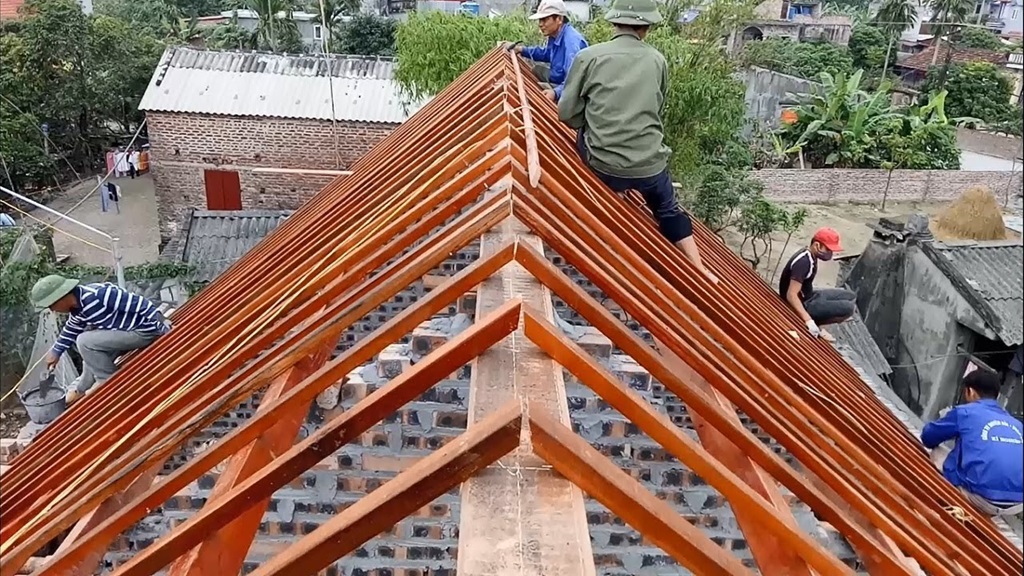
The way a roof is installed can significantly impact its performance and lifespan.
Some common roofing techniques include:
- Underlayment: Underlayment is a water-resistant barrier installed beneath the roofing material to provide an extra layer of protection against leaks. It is particularly important in regions with heavy rainfall or snowfall.
- Ventilation: Proper ventilation is crucial for preventing moisture buildup in the attic, which can lead to mold growth, wood rot, and ice dams in colder climates. Ridge vents, soffit vents, and gable vents are common ventilation methods.
- Insulation: Insulating the attic helps regulate the temperature inside the house, reducing energy consumption and enhancing comfort. Various insulation materials, such as fiberglass, cellulose, and spray foam, are available.
- Flashing: Flashing is used to seal joints and prevent leaks around chimneys, skylights, vents, and other roof penetrations. Proper flashing installation is essential for maintaining a watertight roof.
Choosing the Right Roof for Your Home
When selecting a roofing material and technique, consider the following factors:
- Climate: Choose a roofing material that is suitable for your local climate. For example, metal roofs are a good choice for areas with heavy snowfall, while clay tiles are better suited for warm climates.
- Budget: Roofing materials vary significantly in price. Determine your budget beforehand to narrow down your options.
- Architectural Style: Select a roofing material that complements your home’s architectural style. A mismatch can detract from the overall appearance of your property.
- Longevity and Maintenance: Consider the expected lifespan and maintenance requirements of different roofing materials. While some materials may be more expensive upfront. They can save you money in the long run due to their durability and low maintenance needs.
- Energy Efficiency: If energy efficiency is a priority, choose a roofing material that reflects sunlight and consider adding insulation to your attic.
- Local Building Codes: Check your local building codes to ensure that your chosen roofing material and technique comply with regulations.
Conclusion
Choosing the right roofing materials and techniques is a crucial decision that can significantly impact your home’s protection, energy efficiency, aesthetic appeal, and value. By carefully considering the factors discussed in this guide and consulting with a professional roofer. You can make an informed choice that will provide years of reliable service and enhance the overall beauty and functionality of your home.