
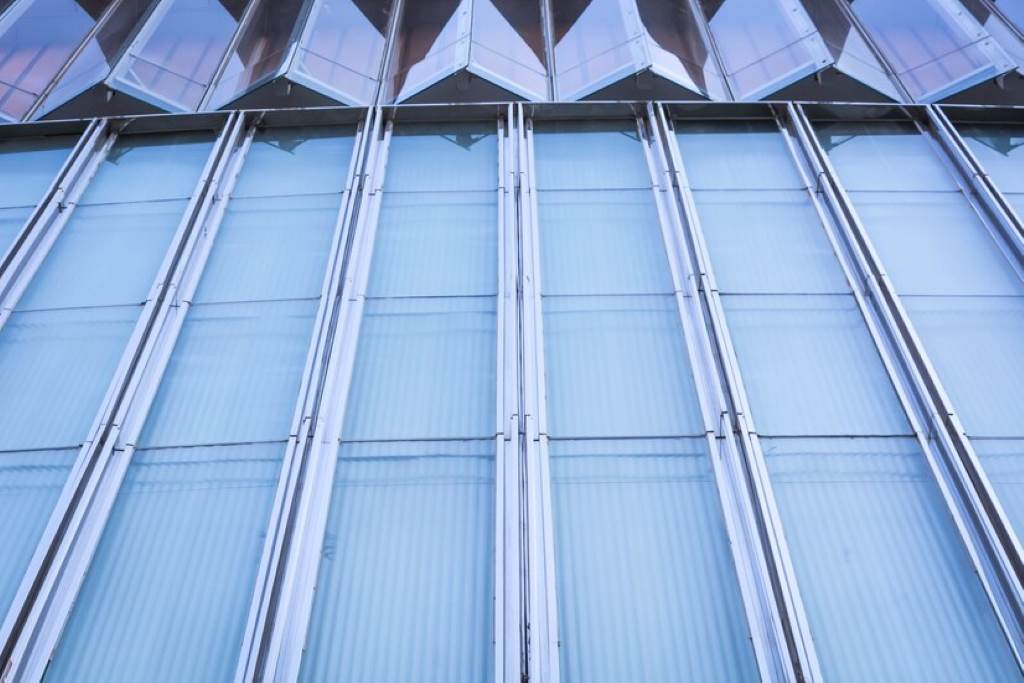

Ever thought about upgrading your roof but felt overwhelmed by the choices? Polycarbonate roof panels might just be the solution you need. Imagine a roof that’s not only durable but also lightweight and versatile. Sounds perfect, right? Let’s explore the world of polycarbonate roof panels and see if they are the right fit for your next project.
What Are Polycarbonate Roof Panels?
The Basics
Polycarbonate is a type of thermoplastic polymer known for its strength and transparency. These panels are often used in various applications, from greenhouses to industrial buildings, due to their impressive durability and light transmission properties.
Types of Polycarbonate Panels
Polycarbonate panels come in different types, each suited for specific needs:
- Solid Polycarbonate: Offers high impact resistance and clarity.
- Multiwall Polycarbonate: Provides excellent insulation and is lightweight.
- Corrugated Polycarbonate: Known for its flexibility and ease of installation.
Advantages of Polycarbonate Roof Panels
Durability and Strength
Polycarbonate panels are incredibly strong, with impact resistance up to 250 times that of glass. This makes them ideal for areas prone to hail, falling branches, or other potential impacts.
Lightweight
One of the standout features of polycarbonate panels is their lightweight nature. This makes them easier to handle and install compared to traditional roofing materials like glass or metal.
UV Protection
Polycarbonate panels come with built-in UV protection, which helps in blocking harmful UV rays while allowing natural light to pass through. This makes them perfect for greenhouses and sunrooms.
Temperature Resistance
These panels can withstand extreme temperatures, both hot and cold, without losing their structural integrity. This makes them suitable for various climates.
Versatility
Polycarbonate panels are versatile and can be used in a variety of applications, from residential patios to industrial warehouses. They are available in different colors and finishes, allowing for customization to match your aesthetic preferences.
Cost-Effective
Compared to other roofing materials, polycarbonate panels are relatively affordable. Their durability and low maintenance requirements also contribute to long-term cost savings.
Disadvantages of Polycarbonate Roof Panels
Susceptibility to Scratches
While polycarbonate is highly impact-resistant, it is not scratch-resistant. This means that over time, the panels can develop scratches, which may affect their appearance.
Yellowing Over Time
Exposure to UV rays can cause polycarbonate panels to yellow over time. Although many panels come with UV protection, this discoloration can still occur, especially in areas with intense sunlight.
Less Light Transmission
Compared to glass, polycarbonate panels have slightly lower light transmission. This might be a disadvantage if maximum natural light is a priority for your project.
Expansion and Contraction
Polycarbonate panels can expand and contract with temperature changes. This requires careful installation to allow for movement and prevent warping or cracking.
Installation Process

Preparing the Surface
Ensure the surface where the panels will be installed is clean, dry, and level. Remove any old roofing materials and fix any imperfections.
Measuring and Cutting
Measure the area accurately and cut the panels to fit. Use a fine-toothed saw to ensure clean cuts. Remember to leave space for expansion and contraction.
Installing the Panels
Start by laying the panels from the bottom edge of the roof, working your way up. Overlap the panels to ensure proper water drainage. Secure the panels with screws, using rubber washers to prevent leaks.
Sealing the Edges
Seal the edges with appropriate sealants to prevent water ingress. This step is crucial for maintaining the integrity of the roof.
Maintenance Tips
Regular Cleaning
Keep your polycarbonate roof panels clean by washing them with a mild soap solution and a soft cloth. Avoid using abrasive cleaners or brushes that can scratch the surface.
Inspect for Damage
Regularly inspect the panels for any signs of damage, such as cracks or scratches. Address any issues promptly to prevent further damage.
Protect from Scratches
Place protective covers or films on the panels if they are in areas prone to scratches. This can help maintain their appearance over time.
Conclusion
Polycarbonate roof panels offer a blend of durability, versatility, and cost-effectiveness, making them a popular choice for various applications. While they have some disadvantages, such as susceptibility to scratches and yellowing, their benefits often outweigh these drawbacks. By understanding the pros and cons and following proper installation and maintenance practices, you can enjoy the many advantages of polycarbonate roof panels for years to come.