


Rain hits your roof hard during a storm. Water rushes everywhere. Old gutters overflow. Basements flood. Foundations crack. You scramble with buckets and worry about damage. Sound familiar? Smart gutter systems change that game. They use sensors and apps to handle rainwater like a pro.
These setups collect, direct, and store water with brains. No more guesswork. They spot issues early and fix them fast. Homeowners gain control over every drop.
The EPA notes that urban runoff pollutes waterways with billions of gallons yearly. In the US, stormwater carries trash and chemicals into rivers. Another stat from EPA tools shows rooftop disconnections cut runoff by up to 50% in small sites. Smart gutters build on this. They make rainwater management simple and smart for modern homes.
What Are Smart Gutter Systems?
Smart gutter systems take traditional gutters to the next level. They add tech layers for better performance. Basic gutters just channel water away. Smart ones think ahead.
Sensors track rain volume and flow speed. Apps alert you to clogs or leaks. Automation opens valves or diverts water as needed. Picture this: Your phone buzzes before a big storm. The system seals off downspouts to avoid overflow.
Key parts include:
- Rain gauges and flow meters: Measure water levels in real time.
- Automated valves and actuators: Adjust paths to storage tanks or drains.
- Wireless connectivity: Links to home Wi-Fi for remote checks.
- Self-cleaning brushes: Sweep debris without ladders.
These features turn passive channels into active guardians. They fit new builds or upgrades to old roofs.
The Evolution of Rainwater Management
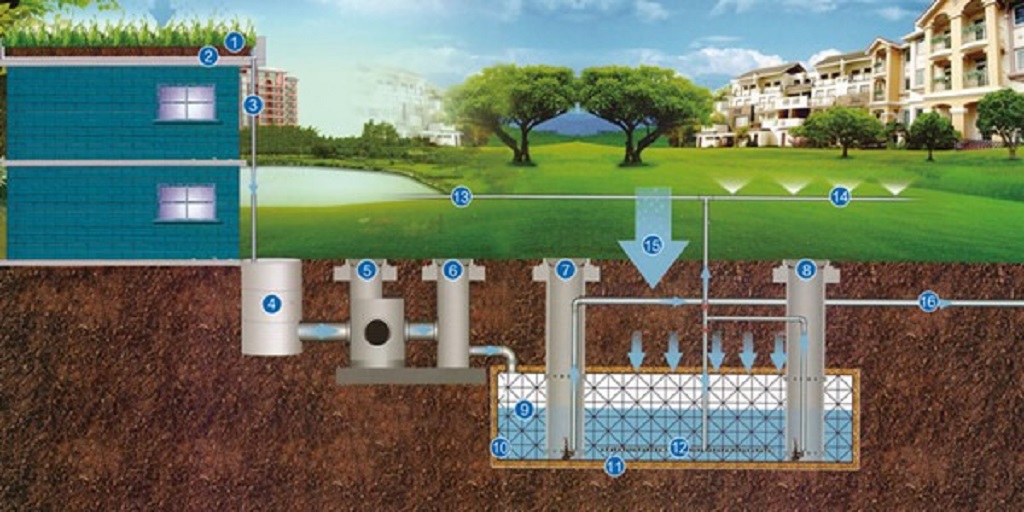
Rainwater management started simple. Ancient Romans built aqueducts to capture roof runoff. Fast forward to today. Cities face bigger storms from climate shifts. Traditional gutters handle average rain. But heavy downpours overwhelm them.
Enter innovation. Green infrastructure like rain barrels popped up in the 2000s. Now, IoT tech joins the party. Smart systems blend old ideas with new tools. They predict weather via apps and adjust on the fly.
One study highlights how these upgrades reduce urban flooding risks by 30-40%. Homeowners shift from reactive fixes to proactive care. This evolution saves time and protects property value.
How Smart Gutter Systems Work
Smart gutters operate like a well-oiled team. Rain falls. Sensors kick in first. They detect intensity and debris buildup. Data flows to a central hub. That hub crunches numbers and sends commands.
Actuators respond quick. They open paths to cisterns for harvesting or speed up drainage. If levels rise too high, alerts ping your device. You check cams or stats from the couch.
Integration shines here. Link them to smart home setups like Nest or Alexa. Voice commands tweak settings. “Hey, divert water to the garden.” Done.
A real-world example: In Seattle, a family installed one after floods hit. The system caught 80% more runoff for their veggie patch. Less waste, more greens.
Key Benefits of Smart Gutter Systems
These systems deliver big wins. They cut hassle and boost efficiency. Let’s break it down.
Prevent Water Damage and Flooding
Overflowing gutters soak siding and erode soil. Smart ones monitor and redirect. Basements stay dry. Foundations hold strong. One report shows proper drainage slashes repair costs by 25%.
Promote Water Conservation
Capture rain for later use. Irrigate lawns or flush toilets. EPA estimates harvested rainwater offsets 20-30% of household needs in wet areas. Smart tech maximizes every gallon.
Reduce Maintenance Needs
Clogs from leaves plague old systems. Built-in cleaners activate on schedule. Sensors spot problems early. Climb ladders less. A case in Texas: A homeowner halved cleanings yearly.
Enhance Property Value
Buyers love low-risk homes. Tech-forward features appeal to eco-savvy folks. App control adds modern flair. Expect a 5-10% bump in appeal, per real estate trends.
Eco-Friendly Edge
Less runoff means cleaner streams. Filter pollutants before they spread. Pair with gardens for natural filtration. Your home joins the green wave.
Types of Smart Gutter Technologies
Options abound. Pick based on your roof and rain patterns.
- Sensor-Based Monitoring Systems: Basic add-ons. Track flow via apps. Alert for issues. Great for starters.
- Automated Self-Cleaning Gutters: Brushes or jets clear debris. Run on timers or triggers. Ideal for leafy yards.
- Integrated Rainwater Harvesting Units: Tanks with smart valves. Store for reuse. Connect to irrigation lines.
- AI-Powered Predictive Systems: Use weather data to prep. Close sections pre-storm. Top-tier for heavy rain zones.
Mix and match. A combo setup in Florida handled hurricanes better than stock gutters.
Installation Guide for Smart Gutter Systems
Ready to upgrade? Follow these steps. Hire pros for best results.
Step 1: Assess Your Roof
Measure length and pitch. Check local rain stats. Note downspout spots. Tools like EPA’s Stormwater Calculator help gauge needs.
Step 2: Choose Compatible Parts
Match materials to your home. Aluminum works for most. Ensure Wi-Fi range covers the roof.
Step 3: Prep the Site
Clear old gutters. Seal edges. Run wiring for sensors.
Step 4: Mount and Wire
Secure channels. Install sensors at key points. Link to power and net.
Step 5: Test and App Setup
Run water tests. Pair with your phone. Tweak alerts.
Pro tip: Time installs for dry seasons. A Midwest family did this and avoided fall rushes.
Real-Life Case Studies
Stories prove the power. Take the Johnsons in Portland. Heavy rains flooded their yard yearly. They added a smart system with harvesting. Now, they water plants for free. Floods dropped 70%. “Game-changer,” says Mrs. Johnson.
In Austin, a condo complex went smart. Shared app monitored all units. Maintenance calls fell 40%. Tenants saved on bills. The board calls it a win.
Another: Elderly couple in Ohio. Auto-clean features meant no ladder risks. Sensors caught a leak early. Saved thousands in fixes.
These examples show broad appeal. From singles to families, smart gutters fit.
Integrating Smart Gutters with Home Automation
Tie them into your smart home. Use hubs like Google Home. Voice commands direct water. Integrate with lights: Storm alert dims indoors.
Pair with security cams. Watch roof cams for clogs. Energy links shut off pumps if power dips.
Future-proof your setup. Add solar panels for off-grid power. One innovator in California runs theirs fully green.
Challenges and Solutions in Smart Rainwater Systems
No tech is perfect. Power outages hit sensors. Solution: Battery backups.
Connectivity glitches? Opt for mesh networks. High upfront learning curve? Apps offer tutorials.
Debris in sensors? Regular wipes help. Address these, and issues fade.
The Future of Intelligent Drainage Solutions
Trends point up. AI will predict clogs from leaf patterns. Materials get tougher against UV. Global standards push eco-designs.
By 2030, expect 50% of new homes to feature them, per industry forecasts. Rainwater harvesting goes mainstream. Your home leads the charge.
Conclusion
Smart gutter systems redefine how we handle rain. They prevent damage, save water, and ease upkeep. From sensors to apps, tech makes it seamless. Stats back it: Less runoff, cleaner water, stronger homes.
Take action now. Assess your gutters. Research local installers. Upgrade today for a drier, greener tomorrow.
Read More Also: When Is The Best Time to Plant Sunflowers
FAQs
What Makes Smart Gutters Different from Regular Ones?
Smart gutters add sensors and automation. They monitor rain and adjust flow. Regular ones just channel water passively.
Can I Install Smart Gutters on an Old House?
Yes. Most systems retrofit easily. Check roof pitch and wiring access first.
Do Smart Systems Work in Dry Climates?
Absolutely. They capture rare rains for storage. Focus on overflow prevention too.
How Do They Help with Sustainability?
They harvest water for reuse. Cut runoff pollution. Align with green building goals.
Are Apps User-Friendly for Beginners?
Most offer simple dashboards. Tutorials guide setup. Start with basics and build.