
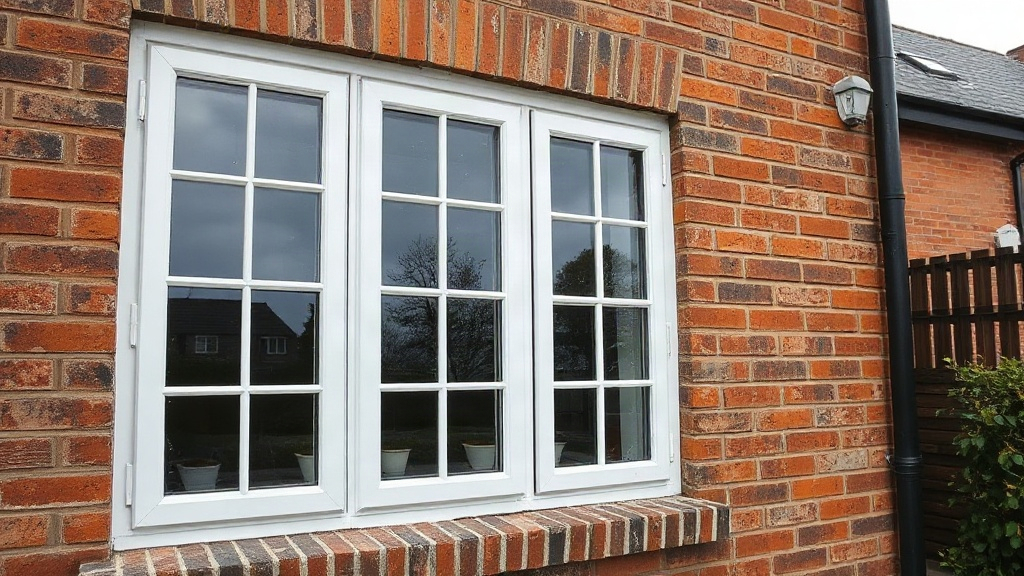

Why uPVC Windows Are Ideal for Irish Homeowners comes down to one uncomfortable truth: Ireland’s weather tests every window in the wall. Wind-driven rain, salt air on the coast, and damp winter mornings find weak spots fast. Most homeowners asking this question have already noticed draughts, condensation, or rising heating bills.
Quick answer: uPVC windows suit Irish homes because the material does not rot, swell, or corrode in wet, windy conditions. Modern frames combine multi-chambered profiles, sealed double or triple glazing, and stainless steel reinforcement where needed. The result is a warmer, quieter house with far less maintenance than timber.
This article explains how uPVC windows work, where they perform best, what they cost in practice, and which claims deserve skepticism. You will finish with a clear idea of whether they fit your home.
Definition and background
uPVC stands for unplasticized polyvinyl chloride. It is a rigid form of PVC made without the softeners that keep garden hoses flexible. Without those plasticizers, the material stays stiff, holds its shape, and resists UV damage far better than older plastics did.
In window terms, uPVC describes the frame. The frame holds the glass, carries the seals, and anchors to the wall. Manufacturers extrude the profile into hollow chambers, then reinforce the larger sections with galvanized steel or aluminium inserts. Glass, gaskets, hinges, and handles complete the unit.
Reinforcement placement varies between manufacturers. Some insert steel in every chamber of the sash and outer frame; others reinforce only the longest sections to cut weight and cost. It is worth asking which approach a supplier uses, since a fully reinforced profile resists warping better on wide openings exposed to Atlantic gusts.
A short history of uPVC in Irish homes
Ireland embraced uPVC windows from the 1980s onwards. Timber was the default for decades, but it demanded painting, putty repairs, and regular attention in a wet climate. Early uPVC frames were basic: single-glazed, white, and simple. They solved rot, but insulation was modest.
Building regulations tightened over time. Modern standards require far better thermal performance than those first frames delivered. Manufacturers responded with wider profiles, multiple air chambers, warm-edge spacers, and low-emissivity glass coatings. Today’s uPVC window has little in common with its 1980s ancestor beyond the material name.
Why the Irish climate matters so much
Ireland sits in a maritime climate. Rain arrives sideways, humidity stays high, and Atlantic winds hammer western counties. Timber swells and rots in these conditions unless it is painted constantly. Aluminium conducts cold and needs a thermal break to perform well. uPVC simply does not absorb water.
The benefit is not that uPVC is fashionable. It is that the material ignores moisture. In a country where walls stay damp for weeks, that single property prevents most window failures.
Coastal homes add salt spray to the mix. Salt attacks metal fixings and dulls timber finishes. Stainless steel hardware inside a uPVC frame handles coastal exposure far better than standard steel.
How Why uPVC Windows Are Ideal for Irish Homeowners works
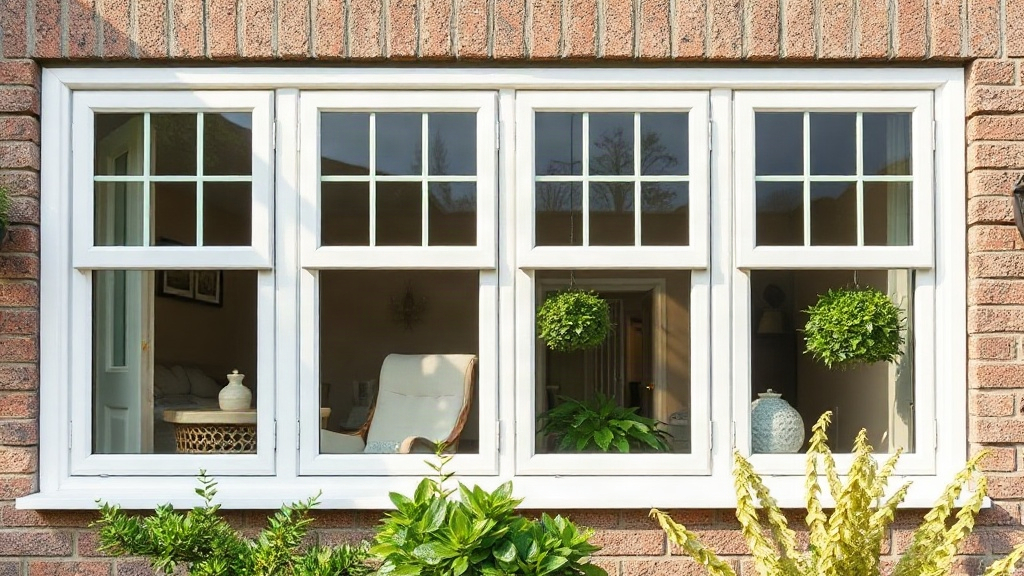
The performance comes from the whole assembly, not the plastic alone. Think of a uPVC window as four systems working together: the frame, the glass, the seals, and the installation.
The frame is a hollow profile divided into chambers. Each chamber traps air, and still air insulates well. Wider profiles with more chambers resist heat loss better than thin ones. Steel reinforcement inside the main chambers keeps large windows rigid against wind load.
The glass does most of the insulating. Double glazing leaves a gas-filled gap between two panes. Argon or krypton fills that gap and slows heat transfer. A low-emissivity coating reflects warmth back into the room. Triple glazing adds a second gap and further reduces heat loss.
The seals stop wind and water reaching the interior. Modern uPVC windows use double gaskets around the opening sash plus drainage channels that carry water out. These details matter more than the frame color or style.
The installation method itself changes outcomes. Frames fitted into a prepared opening with a proper sill, a damp-proof course lapped correctly, and expanding foam behind the reveal keep wind-driven rain outside the wall cavity. Ask fitters how they finish the external reveal, because that junction is where most leaks begin.
Energy ratings and what the labels mean
In Ireland, window energy performance is usually expressed through a rating system tied to U-values. A U-value measures heat loss through a material; lower is better. A single-glazed window might sit around 5.0 W/m²K. Good double glazing lands near 1.2 to 1.4, and quality triple glazing can reach roughly 0.8.
Be careful with these figures. The whole-window U-value is what counts, not the glass alone. Frame quality, spacer type, and installation all shift the final number.
Installation decides the result
A top-grade window fitted badly performs like a cheap one. Gaps around the frame leak air and let rain track into the wall. Proper installation means accurate measuring, secure fixing, and sealing the gap between frame and wall with the right foam and mastic.
Real-world examples
These scenarios reflect typical Irish situations rather than one specific installation.
Owners often report the same pattern: the house feels calmer in high winds, and the heating comes on less often in the evening. Small details, such as draught-free letterboxes and properly adjusted hinges, add to that comfort more than any single specification on the quote sheet.
A 1970s semi-detached house in Cork
Picture a family home with original aluminium windows. The front rooms face the prevailing wind. On stormy nights, curtains move slightly, and the back bedroom stays cold. Replacing the units with uPVC double glazing in the main rooms usually delivers three changes: warmer surfaces near the glass, less draught, and quieter rooms.
Condensation often shifts rather than disappears. Water that used to bead on cold glass moves to the least insulated window in the house if that one is left unchanged. Replacing every unit at once avoids this.
A coastal cottage in Donegal
Salt air and driving rain are the enemies here. Timber frames on the seaward side rot within years unless repainted annually. uPVC frames with stainless steel hinges survive this exposure with an occasional wipe-down. The trade-off is appearance: some owners feel uPVC looks out of place on an older cottage. Foiled finishes can mimic timber grain, though the effect varies by product.
A terraced house in Dublin with a protected façade
Many Dublin homes sit in architectural conservation areas. Planning rules can restrict changes to the front elevation while allowing freer choice at the rear. A common approach is slim-profile uPVC at the back and refurbished timber at the front. Check with the local planning office before ordering anything.
An apartment upgrade
Apartment owners face noise as much as cold. A busy road outside an inner-city flat produces constant background sound. Acoustic glazing in a uPVC frame reduces this noticeably, because the seals block gaps that let sound through.
Comparison: double vs triple glazing for Irish homes
| Factor | Double glazing | Triple glazing |
|---|---|---|
| Typical U-value | 1.2–1.4 | 0.8–1.0 |
| Weight | Moderate | Heavy; may need reinforced frames |
| Cost | Lower | Higher |
| Best for | Most homes, mild shelter | Exposed sites, noise, very cold rooms |
The table shows the central trade-off: triple glazing performs better but costs more and weighs more. On a sheltered inland site, decent double glazing often delivers most of the benefit for less money.
Common misconceptions
Several claims about uPVC windows circulate widely. Most contain a grain of truth wrapped in exaggeration.
One persistent myth claims uPVC frames cannot breathe, trapping damp inside the home. In practice, modern units include trickle vents and background ventilation to manage indoor moisture, and the frame material plays no part in wall breathing. The real ventilation question is whether openings are specified and used correctly, not the plastic itself.
“uPVC windows never need maintenance”
They need less maintenance, not none. Hinges, handles, and locking mechanisms benefit from occasional lubrication. Gaskets can harden over many years and may need replacement. Drainage slots should stay clear of dirt and debris. The difference from timber is that you are not painting every few years to stop rot.
“uPVC always looks cheap”
This was fair criticism in the 1990s. Thin white profiles did look flimsy. Current products come in wider sections, coloured foils, woodgrain effects, and slim sightlines. Style depends heavily on the profile chosen and the quality of the fitter. A well-chosen frame on a modern home looks deliberate, not cheap.
“The material yellows within a few years”
Early uPVC did discolour under UV light. Modern formulations include stabilisers that resist this, and quality manufacturers offer long warranties against discoloration. Budget frames from unknown suppliers remain a risk, so ask about the profile brand.
A quote far below others often cuts corners: thinner profiles, no steel reinforcement, poor glass, or rushed fitting. Ask what is inside the frame and who installs it.
“uPVC is bad for the environment”
The picture is mixed. PVC production uses chlorine and petrochemicals, and recycling infrastructure is still developing. Against that, a uPVC window can last decades without repainting, and its insulation cuts heating emissions year after year. Timber from certified sustainable sources is a genuinely greener option in some measures. The honest answer is that both materials have trade-offs.
“Replacing windows always pays for itself”
Energy savings are real but rarely dramatic on their own. The bigger gains usually come from warmer rooms, less noise, and no draughts. Expect bills to fall modestly, not halve.
FAQ
Are uPVC windows suitable for period or protected homes?
Often only partly. Planning rules in architectural conservation areas can restrict changes to visible facades. Many owners use uPVC at the rear and restore timber at the front. Check with your local authority before ordering.
How much do uPVC windows cost in Ireland?
Prices vary widely by size, glazing, and profile quality. A single standard window typically runs from a few hundred euro upward, and a full house can reach five figures. Always compare at least three itemised quotes.
How long do uPVC windows last?
Most quality units last roughly 20 to 30 years with basic care. Hinges, seals, and handles may need attention sooner. Lifespan depends heavily on profile quality and correct installation.
Do uPVC windows reduce condensation?
They reduce it on the glass itself because the inner pane stays warmer. Ventilation still matters. Airing rooms daily and using extractor fans in kitchens and bathrooms prevents moisture building up elsewhere.
Can uPVC windows be repaired or recycled?
Individual parts such as handles, hinges, and sealed glass units can be replaced without changing the whole frame. Recycling schemes for old frames exist but are not yet widespread in Ireland.
Conclusion
The case rests on practical performance rather than hype. uPVC windows resist Irish rain and wind, need little upkeep, and pair well with modern glazing to keep homes warmer and quieter. They are not perfect: appearance and environmental trade-offs deserve honest thought, and installation quality matters as much as the product.
Your next step is simple. Arrange two or three itemised quotes, ask about profile brand and glass specification, and confirm the installer’s track record. That single comparison will tell you more than any brochure, and it is the clearest way to judge Why uPVC Windows Are Ideal for Irish Homeowners in your own case.