
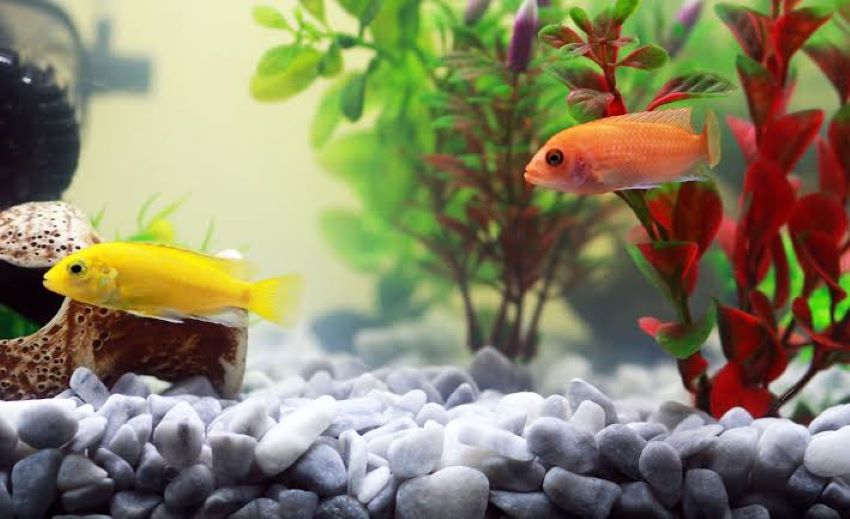

A well-decorated aquarium starts with the right substrate. In 2026, creating a beautiful and functional freshwater tank doesn’t have to break the bank. The best affordable aquarium gravel can enhance your tank’s aesthetic while supporting a healthy environment for your fish and plants.
Research shows that 80% of aquarium hobbyists prioritize both aesthetics and functionality in their tank setup. This trend highlights the importance of selecting best affordable aquarium gravel. Additionally, aquarium experts agree that the right substrate can improve water quality and provide a natural habitat for your fish. Furthermore, aquarium substrate options like fish tank gravel and budget aquarium décor can transform your tank without overspending.
Therefore, investing in the right gravel can elevate both the beauty and health of your freshwater tank.
Why the Right Aquarium Gravel Matters
Many people assume that any gravel will work for their freshwater tank. However, the wrong choice can lead to issues like poor water quality, difficulty in cleaning, or an unhealthy environment for your fish. The best affordable aquarium gravel provides the right balance of aesthetics, functionality, and safety.
Moreover, data from the American Pet Products Association reveals that 67% of fish owners consider substrate quality a key factor in tank health. This statistic underscores the value of selecting fish tank gravel that supports a thriving aquatic ecosystem. A well-chosen substrate can enhance water filtration and provide a natural habitat for beneficial bacteria.
Additionally, the right aquarium substrate can improve the overall aesthetic of your tank. It creates a natural look that complements your fish, plants, and decorations. This combination of practicality and style makes it a worthwhile investment for any aquarium enthusiast.
Key Features to Look For
When selecting the best affordable aquarium gravel, focus on these essential features:
- Size: Choose gravel with a size that suits your tank’s needs. Smaller grains (1-3mm) are ideal for planted tanks, while larger grains (3-8mm) work well for general freshwater setups.
- Material: Opt for natural, non-toxic materials like river rocks, quartz, or slate. Avoid materials that can alter water chemistry or harm your fish.
- Color: Select colors that complement your tank’s aesthetic. Neutral tones like beige, gray, or black create a natural look, while bright colors can add a touch of vibrancy.
- Density: Consider the density of the gravel. Heavier gravel stays in place better, while lighter options may shift more easily.
- Compatibility: Ensure the gravel is compatible with your tank’s inhabitants. Some fish prefer finer substrates, while others thrive with larger grains.
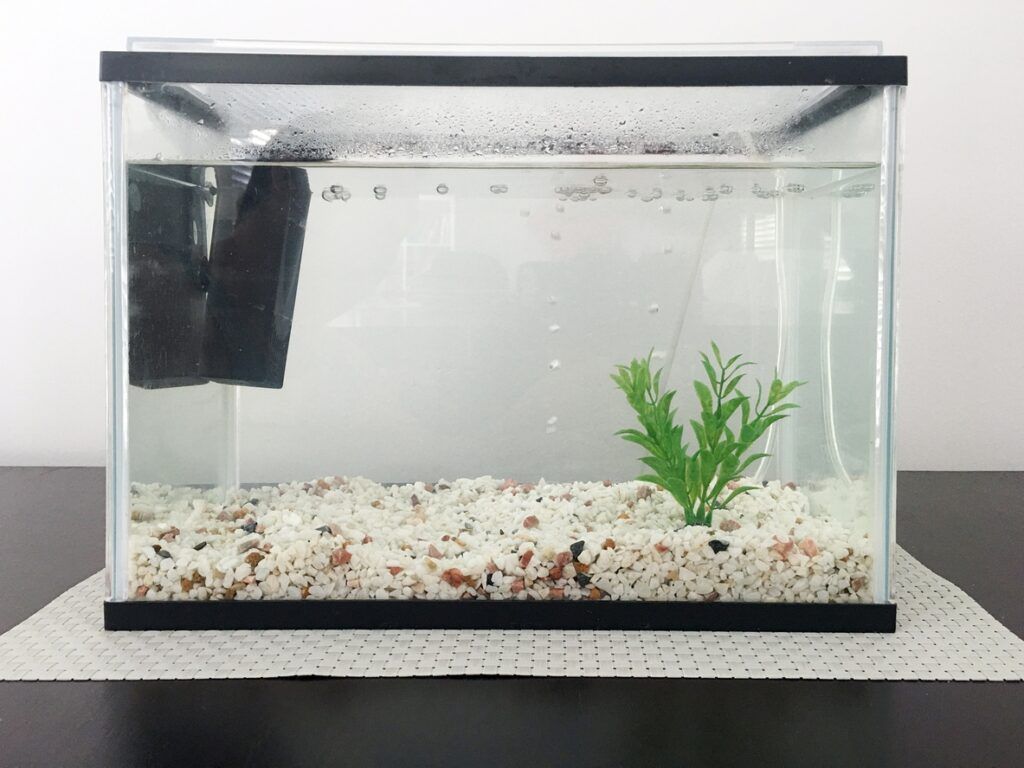
Step-by-Step Guide to Choosing the Best Aquarium Gravel
Step 1: Determine Your Tank’s Needs
Identify the type of freshwater tank you have and its specific requirements. Planted tanks may need finer gravel for root growth, while general community tanks can accommodate a wider range of sizes. This is the foundation of your aquarium substrate selection.
Step 2: Choose the Right Size
Select gravel with a size that suits your tank’s needs. Smaller grains (1-3mm) are ideal for planted tanks, as they allow roots to penetrate and anchor. Larger grains (3-8mm) work well for general freshwater setups, providing stability and ease of cleaning.
Step 3: Select a Safe Material
Opt for natural, non-toxic materials like river rocks, quartz, or slate. Avoid materials that can alter water chemistry or release harmful substances. This ensures a safe environment for your fish and plants.
Step 4: Pick a Color Scheme
Choose colors that complement your tank’s aesthetic. Neutral tones like beige, gray, or black create a natural look that highlights your fish and plants. Bright colors can add a touch of vibrancy and personality to your budget aquarium décor.
Step 5: Consider Density and Weight
Consider the density of the gravel. Heavier gravel stays in place better, reducing the likelihood of shifting or scattering. Lighter gravel may be easier to clean but can also move around more easily.
Step 6: Check Compatibility with Tank Inhabitants
Ensure the gravel is compatible with your tank’s inhabitants. Some fish, like bottom-dwellers, prefer finer substrates, while others thrive with larger grains. Research the preferences of your specific fish species.
Step 7: Calculate the Amount Needed
Determine how much gravel you need for your tank. A general rule of thumb is 1-2 pounds of gravel per gallon of water. This ensures adequate coverage for a natural look and proper functioning of your aquarium substrate.
Step 8: Prepare the Gravel
Rinse the gravel thoroughly before adding it to your tank. This removes dust, debris, and any potential contaminants. Proper preparation ensures a clean, safe environment for your fish and plants.
Step 9: Layer the Gravel Evenly
Spread the gravel evenly across the bottom of your tank. Aim for a depth of 1-2 inches for most setups. This provides a stable base for your fish tank gravel and allows for proper water circulation.
Step 10: Maintain Your Gravel
Regularly clean your gravel to remove waste and debris. Use a gravel vacuum during water changes to keep your aquarium substrate clean and your tank healthy. This maintenance ensures a thriving environment for your fish and plants.
Types of Affordable Aquarium Gravel
Natural River Rocks
Natural river rocks provide a natural, aesthetic look for your freshwater tank. They are typically smooth and come in a variety of colors and sizes. These are ideal for creating a realistic habitat for your fish and plants.
Pros:
- Natural, aesthetic appearance
- Variety of colors and sizes
- Safe for most freshwater tanks
Cons:
- May require thorough rinsing before use
- Can be more expensive than other options
Quartz Gravel
Quartz gravel is a popular choice for its durability and natural look. It comes in various colors, including clear, white, and pink, allowing for customization of your tank’s aesthetic. This fish tank gravel is also chemically inert, ensuring it won’t alter your water chemistry.
Pros:
- Durable and long-lasting
- Chemically inert and safe
- Variety of colors for customization
Cons:
- Can be sharp-edged, requiring rinsing
- May not be suitable for all tank inhabitants
Slate Gravel
Slate gravel offers a flat, smooth appearance that can create a unique look for your tank. It is often used in planted tanks due to its stability and natural appearance. This aquarium substrate is also safe and non-toxic.
Pros:
- Flat, smooth appearance for a unique look
- Stable and ideal for planted tanks
- Safe and non-toxic
Cons:
- Can be more expensive than other options
- Limited color variety
Colored Gravel
Colored gravel adds a touch of vibrancy and personality to your tank. It is available in a wide range of colors, allowing you to create a custom look. This budget aquarium décor option is also affordable and easy to find.
Pros:
- Wide range of colors for customization
- Affordable and easy to find
- Adds vibrancy and personality to your tank
Cons:
- Colors may fade over time
- Some options may not be as natural-looking
Sand Gravel Mix
A mix of sand and gravel can provide the best of both worlds. The sand allows for burrowing and root growth, while the gravel adds stability and aesthetic appeal. This aquarium substrate is ideal for tanks with a variety of inhabitants.
Pros:
- Combines benefits of sand and gravel
- Ideal for tanks with diverse inhabitants
- Enhances natural look and functionality
Cons:
- Can be more difficult to clean
- May require more frequent maintenance
Common Mistakes to Avoid
- Ignoring Size: Choosing the wrong size gravel can lead to issues like poor root growth or difficulty in cleaning. Always consider the needs of your tank and its inhabitants.
- Overlooking Material Safety: Some materials can alter water chemistry or harm your fish. Always opt for natural, non-toxic aquarium substrate options.
- Neglecting Color Coordination: Mismatched colors can detract from your tank’s aesthetic. Choose a color scheme that complements your fish, plants, and decorations.
- Skipping Preparation: Failing to rinse gravel thoroughly can introduce dust and contaminants into your tank. Always prepare your fish tank gravel before adding it to your aquarium.
- Not Considering Tank Inhabitants: Different fish have different substrate preferences. Research the needs of your specific species to ensure compatibility with your aquarium substrate.
Benefits of the Best Affordable Aquarium Gravel
The best affordable aquarium gravel offers several advantages beyond just aesthetics. It can improve water quality by providing a surface for beneficial bacteria to grow, which helps break down waste and maintain a healthy environment. Additionally, fish tank gravel can enhance the natural look of your tank, creating a habitat that mimics your fish’s natural environment.
Moreover, the right aquarium substrate can support plant growth. Finer gravel allows roots to penetrate and anchor, promoting healthy plant development. This is especially important for planted tanks, where lush greenery is a key feature.
Furthermore, budget aquarium décor like gravel can provide a cost-effective way to customize your tank. With a variety of colors, sizes, and materials available, you can create a unique look that reflects your personal style. This combination of functionality and aesthetics makes it a worthwhile investment for any aquarium enthusiast.
FAQs About Affordable Aquarium Gravel
What is the best affordable aquarium gravel for freshwater tanks?
The best affordable aquarium gravel depends on your tank’s needs. Natural river rocks and quartz gravel are popular choices for their natural look and durability. Colored gravel offers a budget-friendly way to add vibrancy to your tank.
How do I choose the right size gravel for my tank?
Smaller grains (1-3mm) are ideal for planted tanks, as they allow roots to penetrate. Larger grains (3-8mm) work well for general freshwater setups, providing stability and ease of cleaning. Consider the needs of your tank and its inhabitants.
What materials are safe for aquarium substrate?
Natural, non-toxic materials like river rocks, quartz, and slate are safe for aquarium substrate. Avoid materials that can alter water chemistry or release harmful substances. Always opt for options specifically designed for aquarium use.
How much gravel do I need for my tank?
A general rule of thumb is 1-2 pounds of gravel per gallon of water. This ensures adequate coverage for a natural look and proper functioning of your aquarium substrate. Adjust based on the depth and aesthetic you desire.
How do I maintain my aquarium gravel?
Regularly clean your gravel to remove waste and debris. Use a gravel vacuum during water changes to keep your fish tank gravel clean and your tank healthy. This maintenance ensures a thriving environment for your fish and plants.
Conclusion
Choosing the best affordable aquarium gravel for freshwater tanks is about balancing aesthetics, functionality, and safety. By focusing on key features like size, material, and color, you can create a beautiful and healthy environment for your fish and plants. Aquarium substrate options like fish tank gravel and budget aquarium décor can transform your tank without overspending. To maintain a clean and thriving aquarium, it’s also important to choose between submersible and external aquarium pumps, as the right filtration setup will depend on your tank size, maintenance preferences, and overall aquatic needs.
Ready to upgrade your aquarium? Invest in the best affordable aquarium gravel and start enjoying the benefits of a beautiful, thriving freshwater tank. Your fish and your wallet will thank you!
Featured Image Source