
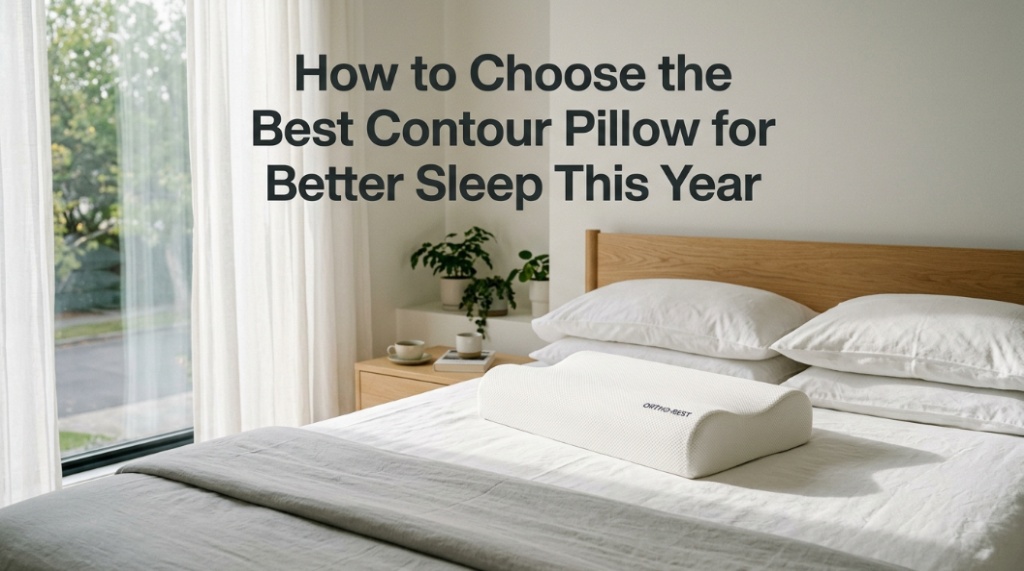

Most people spend nearly one-third of their lives sleeping, yet many wake up with neck stiffness because their head rests on a surface designed more for mass production than spinal alignment. Choosing the right contour pillow for better sleep can significantly improve comfort, posture, and overnight recovery by supporting the natural curve of the neck and keeping the spine aligned. A contour pillow is a specially shaped sleep pillow with elevated edges and a center cradle that promotes a healthy sleeping posture. Unfortunately, many sleepers choose pillows based on softness alone, leading to poor alignment, pressure buildup, disrupted sleep, and chronic morning pain. Whether you need a neck support pillow, an ergonomic pillow, or a specialized side sleeper pillow, understanding what truly matters can help you sleep more deeply and wake up feeling refreshed.
What Is a Contour Pillow and Why Does It Improve Sleep Quality?
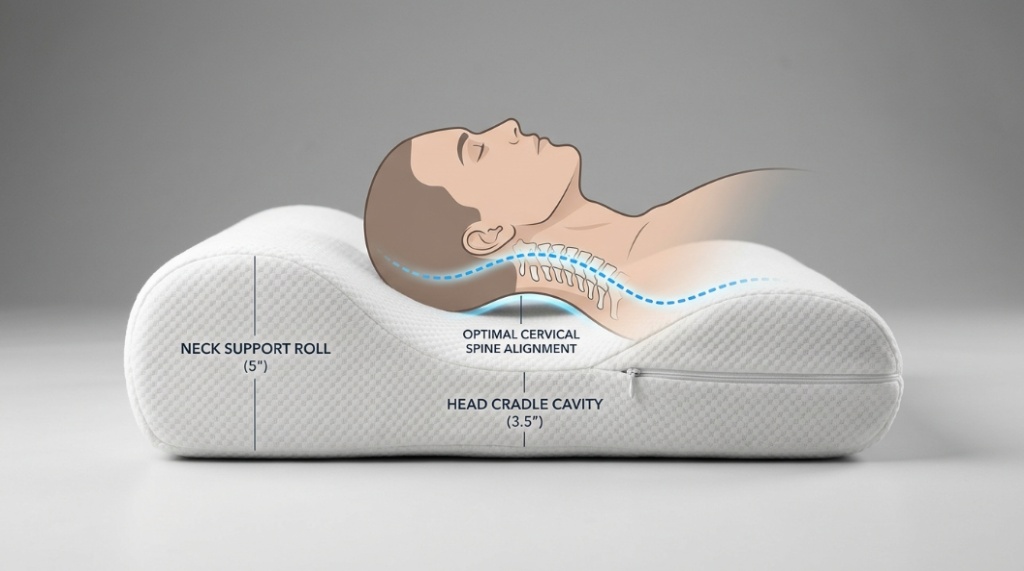
A contour pillow is an ergonomically shaped pillow designed to support the natural curvature of the neck while maintaining spinal alignment throughout sleep.
Unlike traditional rectangular pillows, contour pillows feature a raised edge on each side and a lower center section where the head rests comfortably. This shape helps reduce strain on neck muscles, prevents awkward sleeping angles, and distributes pressure more evenly.
Sleep researchers consistently emphasize spinal alignment as one of the most important factors affecting sleep quality. When the cervical spine remains neutral, muscles can relax properly, reducing tossing, turning, and morning discomfort.
Common benefits include:
- Improved neck alignment
- Reduced shoulder pressure
- Better sleep posture
- Less morning stiffness
- Improved breathing position
- Enhanced comfort for side and back sleepers
Many sleepers exploring specialized support products also compare comfort-focused options designed for recovery and body positioning, such as this guide to the best nursing pillow after a C-section, which highlights how proper support can significantly improve rest and physical recovery.
How Does a Neck Support Pillow Help Relieve Neck and Shoulder Pain?
A quality neck support pillow reduces pain by maintaining proper cervical alignment and minimizing pressure on muscles, joints, and nerves.
When sleeping on an unsupportive pillow, the neck often bends too far upward or downward. This unnatural position places stress on the cervical vertebrae and surrounding muscles.
A properly designed contour pillow supports:
- The natural cervical curve
- Balanced head positioning
- Reduced muscle tension
- Even weight distribution
- Improved blood circulation
People suffering from:
- Tech neck
- Tension headaches
- Upper back pain
- Shoulder discomfort
- Chronic neck stiffness
often report noticeable improvement after switching to an ergonomic contour design.
Physical therapists frequently recommend cervical support pillows because proper alignment allows muscles to recover rather than remain under stress throughout the night.
Which Sleeping Position Benefits Most from an Ergonomic Pillow?
Side sleepers and back sleepers typically benefit the most from ergonomic contour pillows because these positions require consistent neck support and spinal alignment.
Are Contour Pillows Good for Side Sleepers?
Yes. A side sleeper pillow with contour support fills the gap between the shoulder and head, preventing the neck from tilting downward.
Key advantages for side sleepers include:
- Reduced shoulder compression
- Improved spinal neutrality
- Lower risk of neck strain
- Enhanced pressure relief
- Better overall comfort
Are Contour Pillows Good for Back Sleepers?
Absolutely. Back sleepers benefit from the center cradle design that supports the head while maintaining the natural cervical curve.
This positioning can help:
- Reduce neck tension
- Support healthy posture
- Improve breathing comfort
- Reduce pressure points
Can Stomach Sleepers Use Contour Pillows?
Generally, stomach sleepers require very low-profile pillows. Most contour pillows are less suitable because they may elevate the head excessively and increase cervical strain.
What Features Should You Look for When Choosing the Best Contour Pillow?
The best contour pillow combines proper loft, supportive materials, durability, pressure relief, and compatibility with your sleeping position.
Many buyers focus only on firmness, but multiple factors determine long-term comfort.
1. Pillow Loft Height
Loft refers to pillow thickness.
- Low loft: Suitable for petite sleepers and some back sleepers
- Medium loft: Works for most sleepers
- High loft: Often preferred by broad-shouldered side sleepers
2. Firmness Level
The ideal firmness keeps the neck aligned without feeling overly rigid.
- Soft: Greater cushioning
- Medium: Balanced support
- Firm: Maximum cervical support
3. Pressure Relief
Look for materials that distribute weight evenly and reduce pressure concentration around the neck and shoulders.
4. Temperature Regulation
Many sleepers struggle with overheating. Cooling technologies can improve comfort significantly.
- Gel-infused memory foam
- Ventilated foam channels
- Breathable pillow covers
- Open-cell foam construction
Travelers who frequently experience neck strain may also benefit from specialized portable support products. This detailed travel neck pillow review for long flights explains how ergonomic support remains important even outside the bedroom.
5. Adjustable Design
Some contour pillows include removable layers that allow customization based on body size and sleeping preferences.
Which Material Is Best for an Ergonomic Pillow?
Memory foam remains the most popular contour pillow material because it combines support, pressure relief, and shape retention.
| Material | Support Level | Pressure Relief | Cooling Performance | Durability |
|---|---|---|---|---|
| Memory Foam | Excellent | Excellent | Moderate | High |
| Latex Foam | Excellent | Very Good | Excellent | Very High |
| Polyfoam | Moderate | Moderate | Moderate | Moderate |
| Fiber Fill | Low | Low | Good | Low |
Memory Foam Contour Pillows
Advantages include:
- Excellent contouring
- Pressure point reduction
- Long lifespan
- Motion isolation
Latex Contour Pillows
Natural latex offers responsive support with improved airflow compared to traditional memory foam.
Benefits include:
- Cooling comfort
- Natural resilience
- Excellent durability
- Hypoallergenic properties
How Do You Choose the Right Pillow Height for Your Body Type?
The correct pillow height depends primarily on shoulder width, sleeping position, and mattress firmness.
A common mistake is choosing a pillow solely based on softness. Proper loft is often more important than overall firmness.
For Side Sleepers
Broader shoulders generally require higher loft to maintain neutral alignment.
For Back Sleepers
Moderate loft usually provides optimal support while preserving the natural cervical curve.
Mattress Firmness Matters Too
- Soft mattress = lower pillow height
- Firm mattress = higher pillow height
Because shoulders sink differently depending on mattress construction, pillow selection should always consider the complete sleep setup.
Can a Side Sleeper Pillow Help Reduce Snoring?
Yes, in some cases a contour pillow can reduce snoring by promoting better airway positioning and encouraging healthier sleeping posture.
Snoring often occurs when airway tissues partially collapse during sleep. Proper head and neck positioning may help maintain a more open airway.
Potential benefits include:
- Improved airway alignment
- Reduced head tilt
- More stable sleeping posture
- Enhanced breathing comfort
However, severe snoring or suspected sleep apnea requires professional medical evaluation rather than relying solely on pillow adjustments.
How Long Does a High-Quality Neck Support Pillow Last?
Most premium contour pillows last between three and five years depending on material quality and usage patterns.
Memory foam and latex typically outperform traditional fiber-fill pillows in durability.
Signs replacement may be necessary, including:
- Visible flattening
- Loss of support
- Persistent neck discomfort
- Foam deterioration
- Permanent indentations
Regular maintenance can extend lifespan:
- Use a pillow protector
- Wash removable covers regularly
- Avoid excessive moisture exposure
- Follow manufacturer’s
 care instructions
What Mistakes Should You Avoid When Buying a Contour Pillow?
The biggest mistake is selecting a pillow based on popularity rather than individual sleep needs.
Common buying mistakes include:
- Ignoring sleeping position
- Choosing an incorrect loft height
- Overlooking shoulder width
- Buying solely based on softness
- Ignoring mattress compatibility
- Skipping trial periods and return policies
Every sleeper has unique anatomical requirements. What works for one person may create discomfort for another.
Testing pillow dimensions, support levels, and sleeping posture compatibility significantly improves purchasing decisions.
How Do You Know If a Contour Pillow Is Right for You?
A contour pillow is likely a good choice if you regularly experience neck stiffness, shoulder discomfort, poor sleep posture, or morning headaches.
You may benefit most if you:
- Sleep on your side or back
- Wake up with neck pain
- Need improved spinal alignment
- Want targeted cervical support
- Experience pressure buildup around shoulders
The transition period typically lasts several nights while muscles adapt to improved alignment. Most users report increased comfort after consistent use.
Conclusion: How Can You Find the Best Contour Pillow for Better Sleep This Year?
The best contour pillow supports your unique anatomy, sleeping position, and comfort preferences while maintaining proper spinal alignment throughout the night. Whether you need a neck support pillow for chronic stiffness, an ergonomic pillow for posture improvement, or a dedicated side sleeper pillow for shoulder pressure relief, focusing on loft, material quality, support level, and cooling performance will lead to better results.
For readers comparing highly rated models and expert evaluations, this comprehensive guide to the best contour pillow recommendations and comparisons offers additional insights into choosing the right option based on individual sleep needs.
Investing in proper cervical support is one of the simplest upgrades you can make for long-term sleep quality. Evaluate your sleeping position, body type, and comfort requirements carefully, and choose a contour pillow designed to keep your spine aligned night after night.
Frequently Asked Questions About Contour Pillows
Is a contour pillow better than a regular pillow?
Yes. A contour pillow is specifically designed to support cervical alignment, while traditional pillows often provide generalized cushioning without targeted neck support.
How long does it take to get used to a contour pillow?
Most users adapt within three to fourteen nights. Temporary adjustment discomfort is normal as the neck becomes accustomed to improved alignment.
Are contour pillows recommended for side sleepers?
Yes. Side sleepers often experience significant benefits because contour pillows fill the shoulder-to-head gap and maintain neutral spinal positioning.
Can a neck support pillow help with headaches?
It may. Tension headaches linked to poor sleeping posture can improve when cervical alignment and muscle support are optimized during sleep.
What firmness level is best for an ergonomic pillow?
Medium to medium-firm support works best for most sleepers because it balances comfort, pressure relief, and spinal alignment.
Do memory foam contour pillows sleep hot?
Some traditional memory foam models retain heat, but modern versions often include cooling gel, ventilation channels, and breathable covers to improve airflow.
Should people with chronic neck pain use contour pillows?
Many healthcare professionals recommend contour pillows for chronic neck discomfort because they help maintain healthier cervical positioning throughout sleep. Individuals with persistent pain should also consult a qualified healthcare provider.