
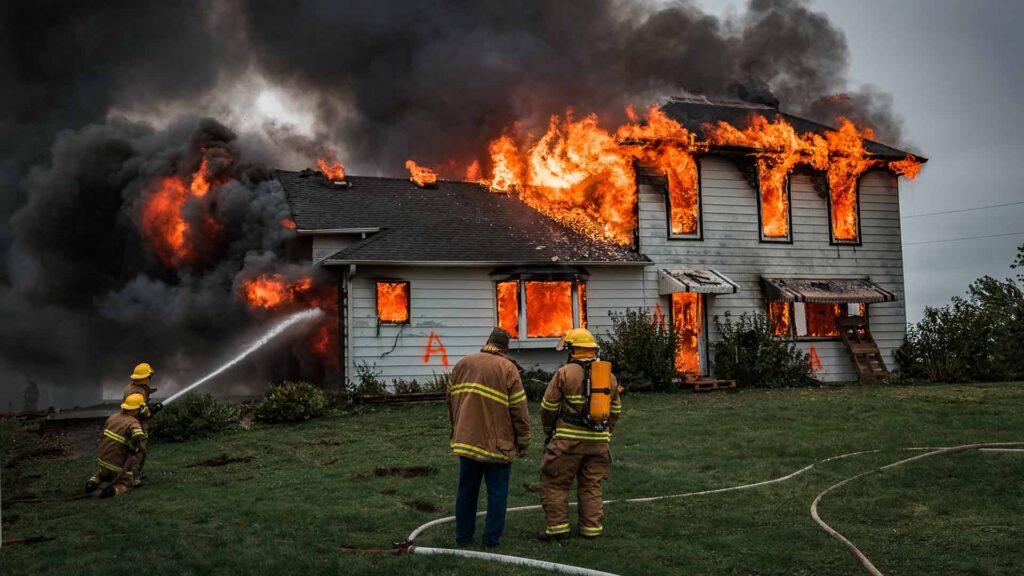

Fire can strike unexpectedly, leaving little time for reaction. Being prepared with a well-rehearsed fire escape plan can make all the difference in ensuring the safety of yourself and your loved ones. This article equips you with the knowledge and tools to create a comprehensive fire escape plan and outlines the importance of regular practice drills.
The Importance of a Fire Escape Plan
A fire escape plan is a pre-determined strategy outlining how everyone in your household will safely evacuate in the event of a fire. Here’s why having a plan is crucial:
-
Reduced Panic: A clear plan minimizes confusion and panic during a fire, allowing everyone to react swiftly and efficiently.
-
Faster Evacuation: Knowing escape routes beforehand enables everyone to move quickly and efficiently toward safety.
-
Accounting for Everyone: A well-defined plan ensures everyone in the household, including pets if applicable, is accounted for during the evacuation.
-
Peace of Mind: Having a plan in place provides a sense of security and preparedness, reducing anxiety in the face of a potential emergency.
Beyond Homes: Fire escape plans are not just for homes. Create plans for workplaces, schools, and any other frequent locations.
Building Your Fire Escape Plan: A Step-by-Step Guide
Here’s a step-by-step approach to creating a comprehensive fire escape plan:
-
Draw a Floor Plan: Sketch a floor plan of your home, marking all exits (doors and windows) on each level. Identify at least two escape routes from each room in case your primary exit is blocked by fire or smoke.
-
Designate a Meeting Place: Choose a safe location outside your home, a good distance away from the building, where everyone will gather after evacuating.
-
Assign Roles and Responsibilities: Designate someone responsible for waking others up, assisting young children or elderly family members, and ensuring everyone exits the building.
-
Practice Evacuation Drills: Conduct regular fire drills to familiarize everyone with the escape plan. Practice both day and night scenarios to ensure everyone is comfortable evacuating under different lighting conditions.
-
Include Everyone: Involve everyone in your household, including children and guests, in the planning and practice of the fire escape plan.
Additional Considerations:
-
People with Disabilities: If someone in your household has mobility limitations, plan for their safe evacuation. Consider investing in assistive devices or identify individuals responsible for assisting them.
-
Pets: Include pets in your escape plan. Ensure you have available leashes or carriers and designate someone responsible for pet evacuation.
-
Communication Plan: Establish a communication plan for families who may be separated during the evacuation. Decide on a designated contact person outside the household to check on everyone’s well-being.
Remember: A fire escape plan is a living document. Update it regularly as your family circumstances or the layout of your home changes.
Practice Makes Perfect: The Importance of Fire Drills
Having a fire escape plan is essential, but its effectiveness hinges on regular practice. Here’s why fire drills are crucial:
-
Muscle Memory: Regular practice drills instill the escape plan in everyone’s muscle memory, allowing for a swift and coordinated response in a real fire situation.
-
Identifying Obstacles: Drills help identify potential obstacles or areas requiring improvement in your escape plan. Furniture placement jammed windows, or blocked exits can be addressed before a real fire.
-
Building Confidence: Practice drills instill confidence and reduce fear in the face of a real fire. Knowing exactly what to do can empower everyone to act calmly and efficiently.
-
Testing Communication: Drills allow you to test your communication plan and ensure everyone understands their designated roles and responsibilities.
Conducting Effective Fire Drills:
-
Schedule Regularly: Schedule fire drills at least twice a year, both during the day and at night. Surprise drills help simulate the element of surprise during a real fire.
-
Simulate Different Scenarios: Practice evacuating from different rooms in the house, considering scenarios where a primary exit might be blocked.
-
Time Your Drills: Aim to evacuate your home within two minutes or less. Practice makes perfect, and speed is crucial in a fire situation.
-
Debrief and Improve: After each drill, discuss any challenges encountered, identify areas for improvement, and refine your escape plan accordingly.

Beyond the Fire Escape Plan: Additional Fire Safety Tips
Here are some additional fire safety tips to enhance your overall preparedness:
-
Install and Maintain Smoke Alarms: Install smoke alarms on every level of your home and outside each sleeping area. Test them monthly and replace batteries annually.
-
Invest in a Fire Extinguisher: Keep a multi-purpose fire extinguisher readily accessible in a central location. Familiarize yourself with its proper operation.
-
Clear Fire Hazards: Eliminate potential fire hazards by keeping flammable materials away from heat sources. This includes clutter around electrical outlets, overloaded extension cords, and flammable liquids.
-
Maintain Electrical Systems: Have a qualified electrician inspect your home’s electrical system regularly to identify and address any potential fire hazards.
-
Develop a Shutting Down Routine: Establish a routine for shutting down appliances and electronics before bedtime or when leaving the house for extended periods.
-
Educate Yourself and Your Family: Educate yourself and your family about fire safety. Teach children about the dangers of fire, how to use a fire extinguisher (if age-appropriate), and the importance of evacuating during a fire alarm.
Remember: Fire safety is a shared responsibility. By taking proactive measures and working together, you can significantly reduce the risk of fire and ensure the safety of yourself and your loved ones.
Related: How to Install Security Cameras at Home: A Step-by-Step Guide
Conclusion: Taking Action for Peace of Mind
Fire can be devastating, but by creating a comprehensive fire escape plan, practicing regularly, and implementing fire safety measures in your home, you can significantly reduce the risk and ensure everyone’s safety.
Take action today. Peace of mind and the well-being of your loved ones are worth the investment in fire safety preparedness.